Practice Area
Amputation and Limb Loss Lawyer in New Jersey
The loss of a limb changes daily life, work, mobility, independence, and long-term financial security. An amputation injury is not only about the first surgery or hospital stay. It can involve prosthetics, rehabilitation, future medical care, home changes, work limitations, emotional trauma, and lifelong support needs.
If you or someone in your family suffered a traumatic amputation or surgical amputation after an accident in New Jersey, Pinnacle Injury Law can review what happened, including the accident evidence, medical records, responsible parties, insurance coverage, workers' compensation issues, future care needs, and deadlines that may affect your claim.
Not every severe injury creates the same legal claim. But when limb loss results from a crash, workplace incident, unsafe machinery, construction accident, defective product, dangerous property condition, delayed medical care, or another preventable event, the case should be reviewed carefully.
- Catastrophic injury, medical, and life-care review
- Workplace, vehicle, premises, and product issues
- Future treatment, prosthetics, wage loss, and damages review
- Insurance, evidence, and deadline review

An amputation claim must account for both how the injury happened and how the injury will affect the rest of the person's life.
Amputation is a catastrophic injury, so the legal review should consider both immediate harm and long-term life changes.
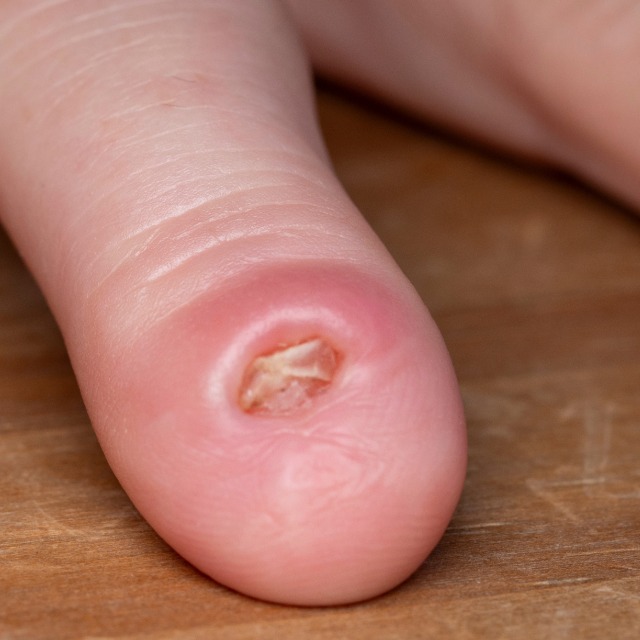
Some amputations happen immediately at the scene of an accident. Others happen later when doctors determine that a limb cannot be saved because of crush trauma, infection, vascular damage, burns, severe fractures, or complications from the original injury.
The legal review may focus on:
- What caused the original trauma
- Whether safety rules were ignored
- Whether machinery, vehicles, tools, or equipment were unsafe
- Whether medical treatment was timely and appropriate
- Whether a property owner, contractor, manufacturer, driver, employer, or medical provider may be involved
- What prosthetics, rehabilitation, and future care may be needed
- How the injury affects work, daily life, family responsibilities, and independence
Amputation injury claims may involve:
- Car, truck, motorcycle, bicycle, or pedestrian accidents
- Construction accidents
- Workplace machinery and industrial equipment
- Crush injuries
- Defective products or unsafe tools
- Farm, warehouse, or factory accidents
- Electrical injuries or severe burns
- Unsafe property conditions
- Medical complications after trauma
- Delayed or inadequate treatment of wounds, infection, or circulation problems
- Explosions or severe impact injuries
- Train, bus, rideshare, or commercial transportation incidents
The cause of the injury matters because it affects who may be responsible, what evidence must be preserved, and what insurance or compensation sources may be available.
Depending on the facts, an amputation injury claim may involve:
- A negligent driver or vehicle owner
- An employer or workers' compensation carrier
- A contractor, subcontractor, or site owner
- A machine, tool, or product manufacturer
- A maintenance company or equipment supplier
- A property owner or business operator
- A medical provider if delayed or inadequate treatment contributed to the amputation
- A government entity or public employee in limited cases
- Insurance policies that may provide coverage
The review may include accident reports, workplace safety records, maintenance records, product history, medical timelines, witness accounts, and expert analysis.

Many amputation injuries happen at work. In New Jersey, a workplace injury may involve workers' compensation, a third-party claim, or both.
Workers' compensation may cover medical treatment and a portion of wage loss. But it does not usually provide the full range of damages available in a civil injury claim, such as pain and suffering.
A third-party claim may be available if someone other than the employer contributed to the injury. This may include a machine manufacturer, subcontractor, property owner, driver, maintenance company, or equipment supplier.
Identifying every possible claim early can be important because each claim may have different evidence, insurance, and deadline issues.
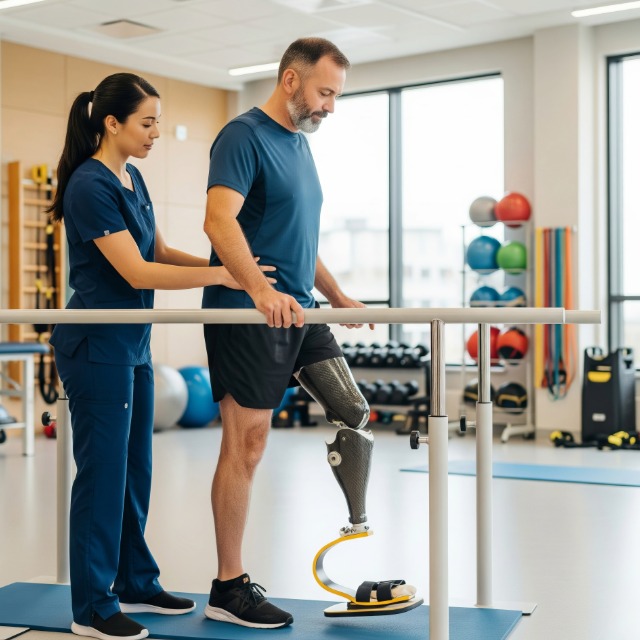
An amputation injury often requires long-term medical planning. The first prosthetic device is usually not the end of the process. Prosthetics may need adjustment, repair, replacement, or changes as the person's body, activity level, work needs, and daily life change.
A complete review may include:
- Surgeries and hospital care
- Wound care and infection treatment
- Prosthetic evaluation, fitting, repair, and replacement
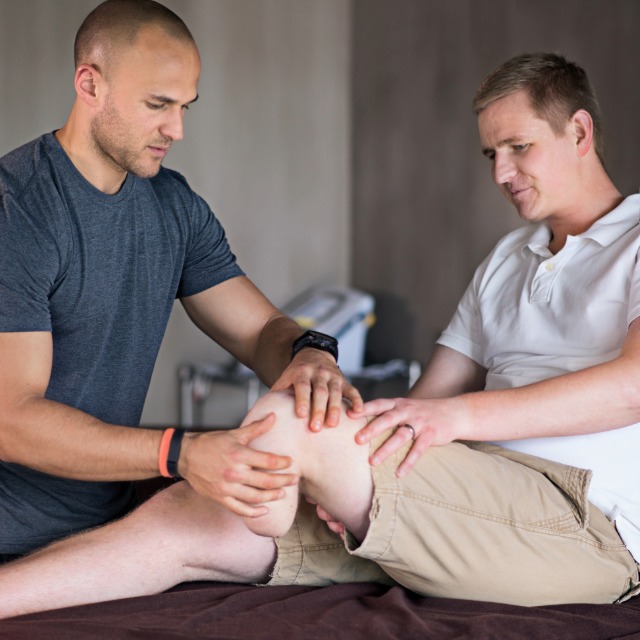
- Physical therapy and occupational therapy
- Pain management
- Treatment for phantom limb pain
- Psychological counseling or trauma support
- Home and vehicle modifications
- Mobility devices or adaptive equipment
- Future medical appointments and long-term care needs
These future needs should be considered before any claim is resolved.
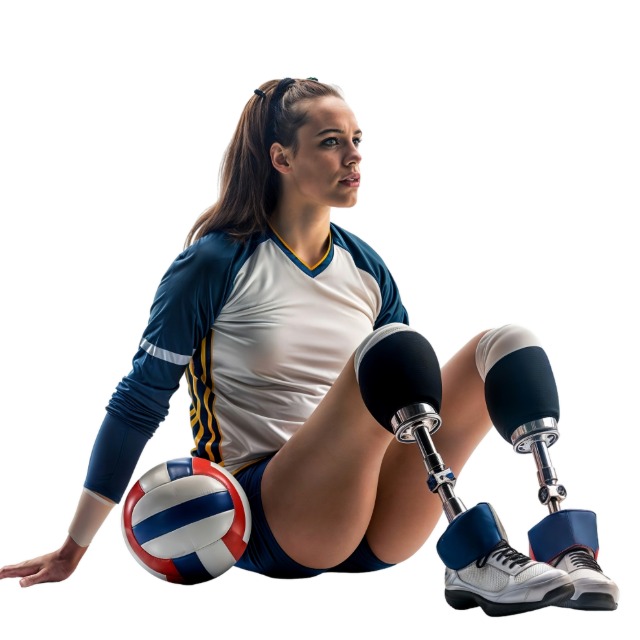
Limb loss can affect far more than medical bills. It may change the person's job, income, transportation, household responsibilities, hobbies, relationships, and ability to live independently.
Important losses may include:
- Lost wages
- Reduced earning ability
- Vocational retraining
- Loss of job opportunities
- Loss of mobility or independence
- Difficulty with daily tasks
- Home accessibility needs
- Vehicle modification needs
- Pain, emotional distress, and trauma
- Disfigurement and permanent impairment
- Loss of normal daily activities
The long-term impact should be documented carefully so the claim does not focus only on the immediate medical emergency.

Amputation injury cases often require immediate evidence preservation. Accident scenes change, machinery is repaired, vehicles are moved, safety records can be difficult to obtain, and witness memories fade.
Important evidence may include:
- Accident reports and workplace incident reports
- Photos and videos of the scene
- Machinery, vehicle, tool, or equipment evidence
- Maintenance and inspection records
- Safety policies and training records
- OSHA or workplace investigation records where available
- Product manuals, warnings, and design information
- Witness names and statements
- Medical records and surgical records
- Prosthetic and rehabilitation records
- Employment records and wage history
- Insurance communications and claim documents
Early review can help identify what should be preserved before it is lost or changed.
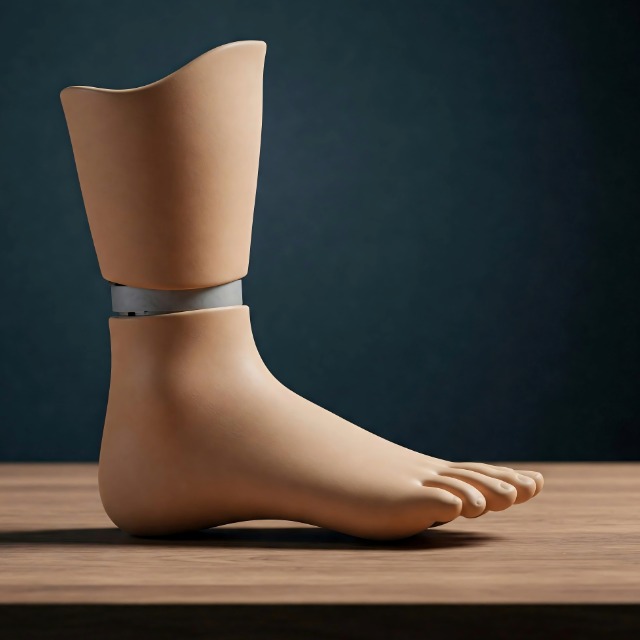
Insurance companies may focus on the immediate hospital bills while minimizing future prosthetics, therapy, home modifications, reduced earning ability, emotional harm, and long-term support needs.
Before giving a recorded statement, signing medical authorizations, or accepting an early offer, it is important to understand the full lifetime impact of the injury.
A serious amputation claim may require medical experts, rehabilitation specialists, prosthetic specialists, vocational experts, economists, or life-care planning evidence to show the long-term cost and impact.
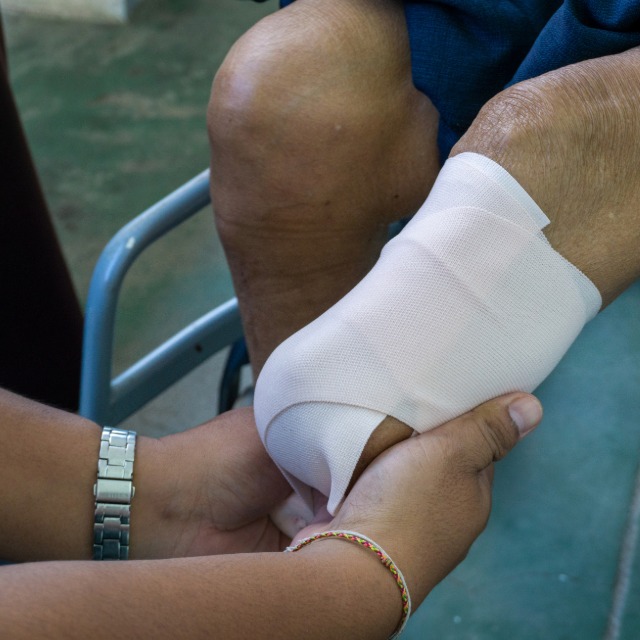
Do not wait to have an amputation injury claim reviewed. In many New Jersey personal injury cases, the general filing deadline is two years from the date of injury. However, the correct deadline can depend on the facts, the injured person's age, the type of claim, and the parties involved.
Workers' compensation, medical malpractice, product liability, public-entity, and third-party claims may involve different notice, evidence, and timing issues.
If a public entity, public employee, government vehicle, public property, or public agency may be involved, formal notice may be required much earlier, sometimes within 90 days of accrual.
Because amputation cases can involve multiple responsible parties and several deadlines, early review is important.

The losses in an amputation injury claim may include:
- Emergency care and hospitalization
- Surgery and follow-up treatment
- Prosthetics, repairs, adjustments, and future replacements
- Physical and occupational therapy
- Pain management
- Mental health treatment
- Future medical care
- Lost wages
- Reduced earning ability
- Vocational retraining
- Home and vehicle modifications
- In-home assistance or long-term support
- Pain and suffering
- Phantom limb pain
- Emotional distress
- Disfigurement and permanent disability
- Loss of normal daily activities
- Wrongful death and estate-related damages where a life was lost
The value of any claim depends on the facts, evidence, injuries, future care needs, insurance coverage, responsible parties, defenses, deadlines, and New Jersey law. No result can be promised.

If an accident caused limb loss, you should not have to guess who may be responsible or whether the future costs are being fully considered.
Pinnacle Injury Law can review what happened, what evidence should be preserved, what medical and prosthetic needs should be considered, what insurance may apply, whether workers' compensation or a third-party claim may be involved, and what deadlines may affect your claim.
Call (201) 265-4500 or request your free case review online. There is no attorney fee unless compensation is recovered for you.
Serious Claim Topics
Helpful Firm Pages
A traumatic amputation happens when a limb is lost at the scene or directly destroyed by the accident. A surgical amputation happens later when doctors remove a limb because of trauma, infection, circulation damage, crush injury, burns, or other serious medical complications.
Possible responsible parties may include a driver, contractor, subcontractor, machine manufacturer, product manufacturer, property owner, maintenance company, medical provider, employer-related insurance carrier, or another party depending on the facts.
Possibly. A workplace amputation may involve workers' compensation and, in some cases, a separate third-party claim against a manufacturer, contractor, property owner, driver, or other responsible party.
They should be reviewed carefully. A claim may include prosthetic evaluation, fitting, repair, adjustment, replacement, therapy, adaptive equipment, and other future needs depending on the evidence and medical proof.
If delayed or inadequate medical care contributed to the need for amputation, a medical malpractice or medical negligence issue may need review. These cases are fact-specific and depend heavily on medical records and expert analysis.
Important evidence may include accident reports, scene photographs, machinery or vehicle evidence, maintenance records, safety records, medical records, surgical records, prosthetic records, rehabilitation records, witness statements, and wage records.
Many New Jersey personal injury claims have a general two-year filing deadline, but deadlines can vary. Workers' compensation, medical malpractice, product liability, and public-entity claims may involve different rules. Public-entity notice may be required much earlier, sometimes within 90 days of accrual.
The case review is free. There is no attorney fee unless compensation is recovered for you.
Talk With a New Jersey Amputation and Limb Loss Lawyer
If an accident caused limb loss, you should not have to guess who may be responsible or whether the future costs are being fully considered.
Disclaimer
This page is for general information only and is not legal advice. Reading this page or contacting Pinnacle Injury Law does not create an attorney-client relationship. An attorney-client relationship is formed only if the firm agrees to represent you in writing. Every amputation injury, catastrophic injury, workplace injury, product liability, medical malpractice, insurance, or public-entity claim depends on its own facts, available evidence, injuries, deadlines, defenses, insurance coverage, and applicable New Jersey law. No result is guaranteed.