Serving Injury Clients Across New Jersey No Fee Unless We Win Free Case Review Available

Practice Area

Workplace Injury Lawyer in New Jersey

If you were seriously hurt at work in New Jersey, you may be facing medical treatment, missed paychecks, work restrictions, insurance calls, and pressure to make decisions quickly.

Workers' compensation may be part of the case, but it may not be the whole case. If a contractor, property owner, driver, equipment company, maintenance vendor, or another outside party helped cause the injury, a separate third-party claim may also need review.

Start with the facts. Tell us where the injury happened, what you were doing, who was present, what equipment or vehicles were involved, and what has happened since. We can look at the basic facts, identify possible claim paths, and explain what should be protected next.

  • New Jersey workplace injury matters
  • Third-party claim review
  • Construction, warehouse, delivery, and industrial incidents
  • Evidence and insurance review
  • Clear next steps before any representation begins
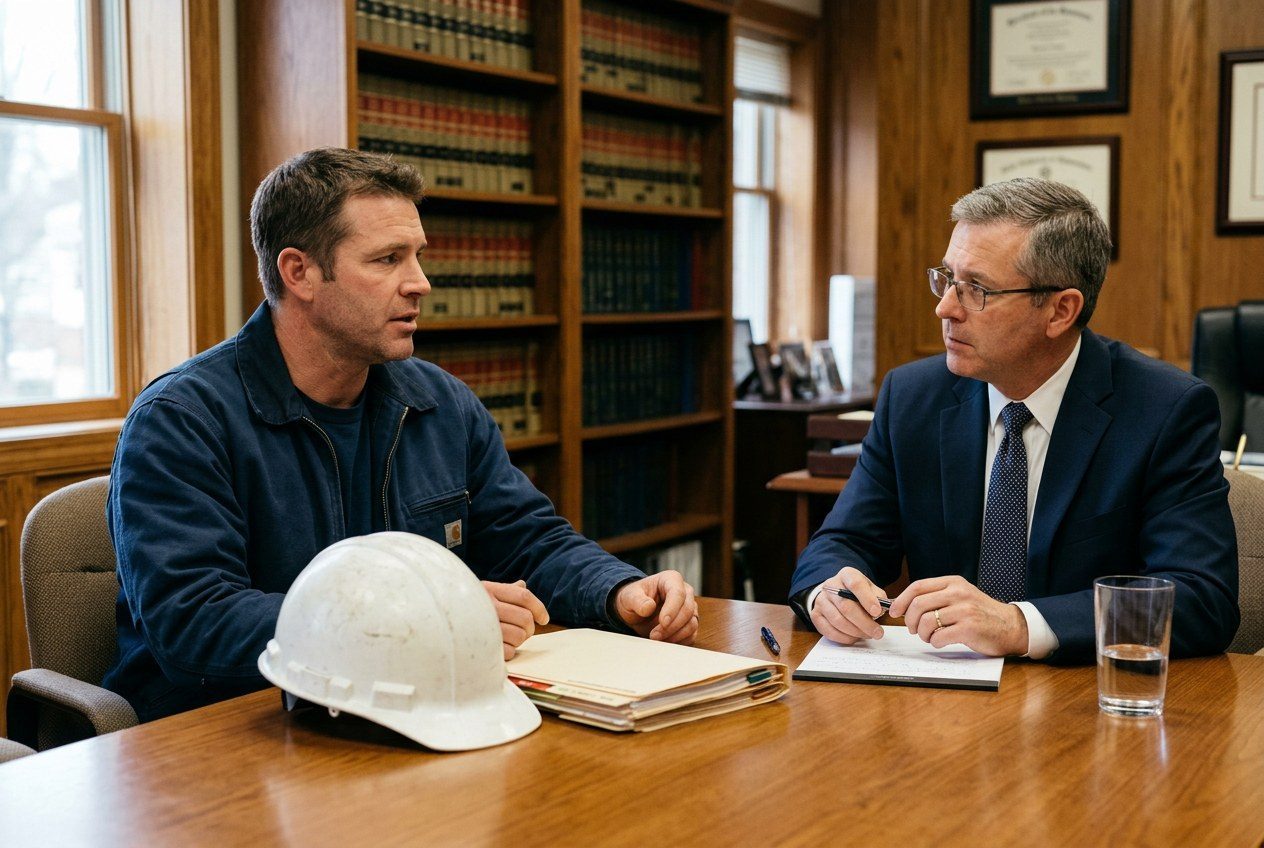
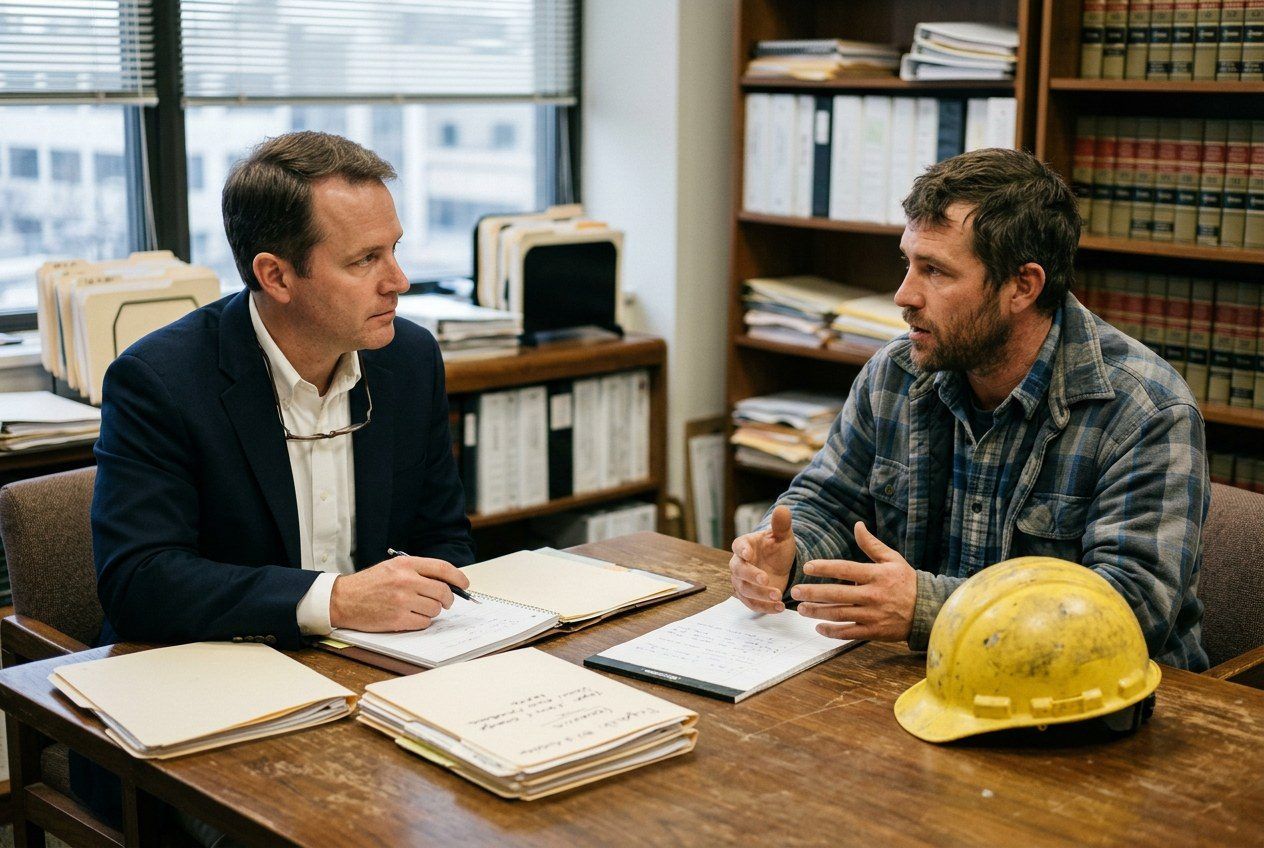
Legal review of workplace injury documents and evidence

Sometimes That First Answer Is Incomplete

After a workplace injury, many people are told the same thing: "This is just workers' compensation." Sometimes that is true. Sometimes it is incomplete.

Workers' compensation may provide benefits for a job-related injury without requiring the injured worker to prove fault. But a separate injury claim can exist if someone outside the employer caused or contributed to the incident.

That question matters because workers' compensation and third-party injury claims are different. They can involve different defendants, different insurance, different damages, different deadlines, and different legal strategies.
Questions the First Review May Cover

  • Did the injury happen during work?
  • Who employed you?
  • Who controlled the place where the injury happened?
  • Was another company, contractor, subcontractor, vendor, driver, or property owner involved?
  • Did unsafe equipment, a vehicle, a machine, a ladder, a scaffold, a forklift, or a defective product play a role?

Details That May Matter Next

  • Was there video, an incident report, a supervisor report, or witness information?
  • Has a workers' compensation claim already been opened?
  • Has anyone asked you for a recorded statement?
  • Have you been pressured to return to work before your medical condition is clear?
You do not have to answer all of these questions before contacting us. The point of the first review is to identify what may matter next.
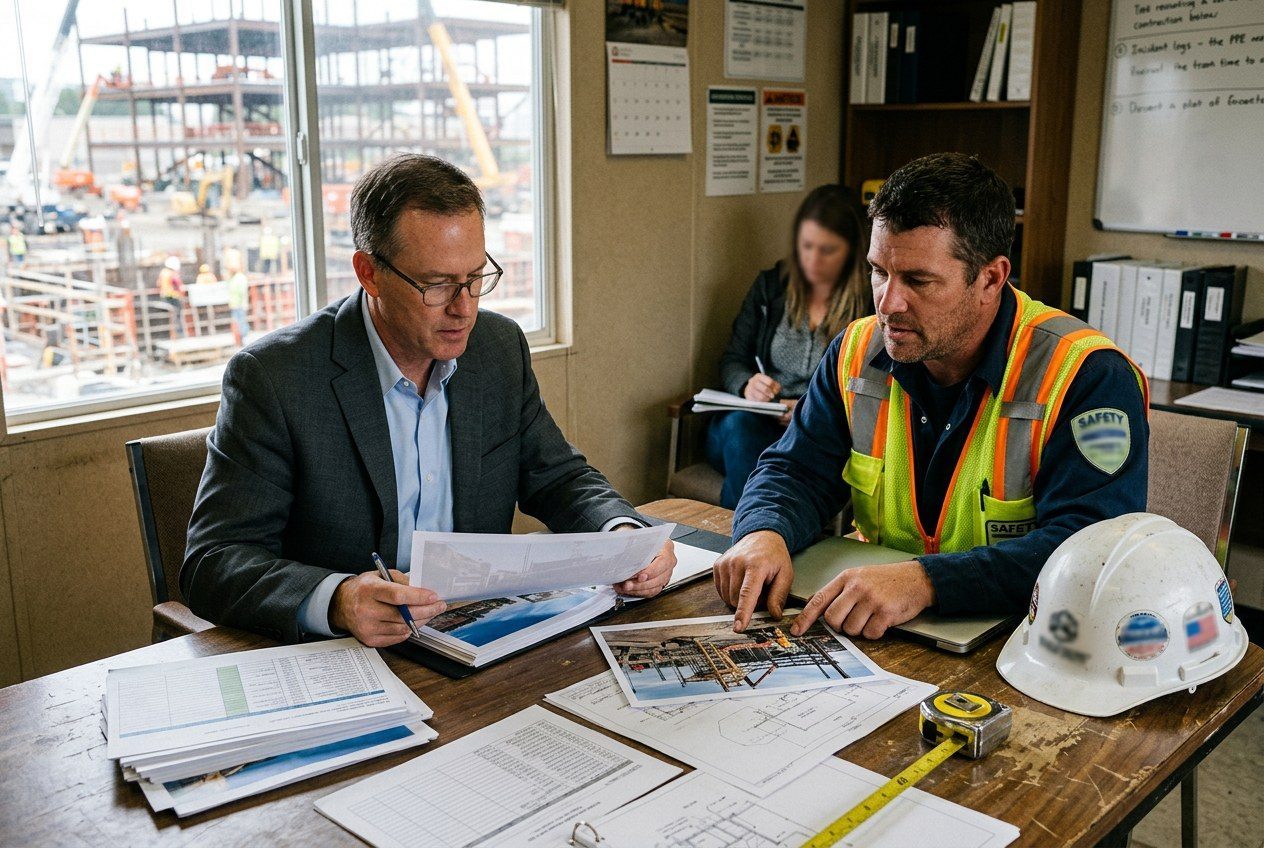
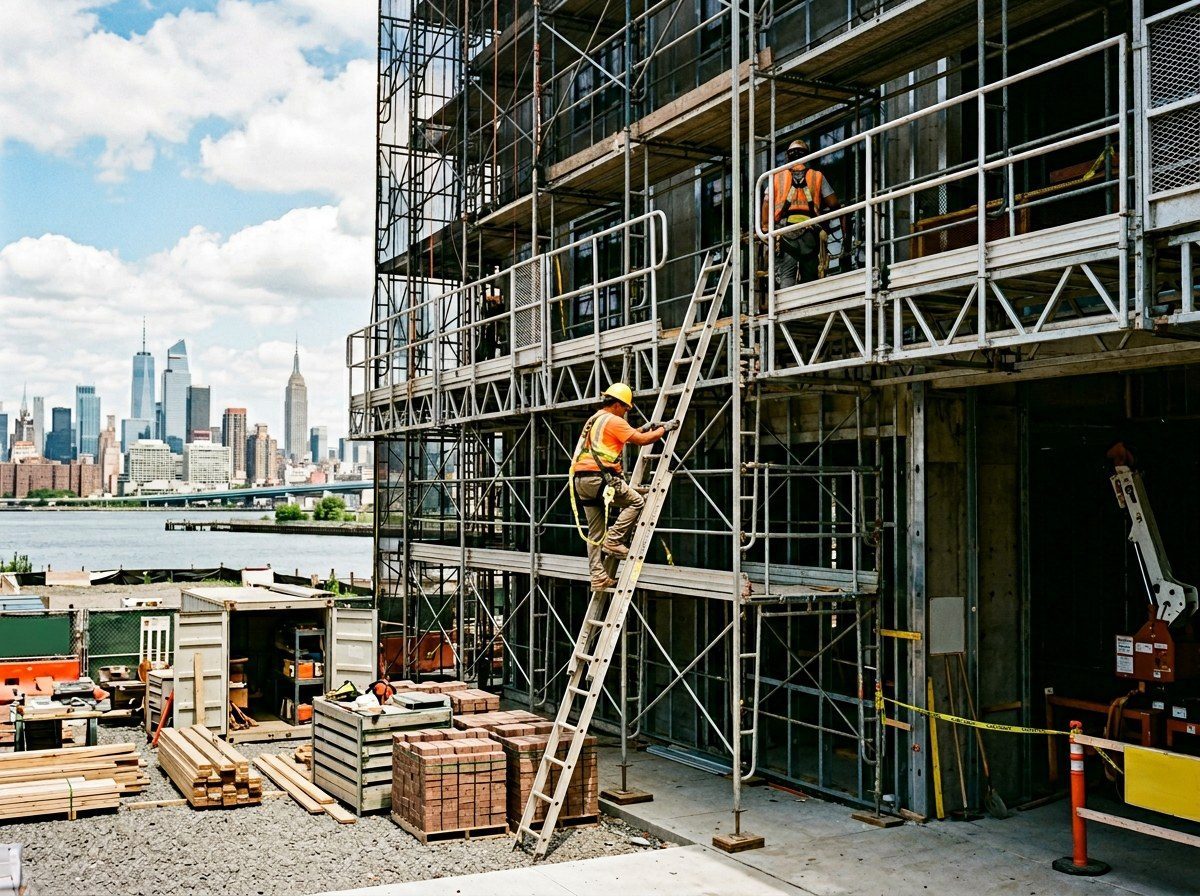
Construction and elevation-related workplace incident setting

Construction and Job-Site Incidents

Construction accidents, scaffolding and ladder falls, roof and elevation injuries, falling-object injuries, unsafe property conditions, and third-party contractor negligence may require a close look at site control.

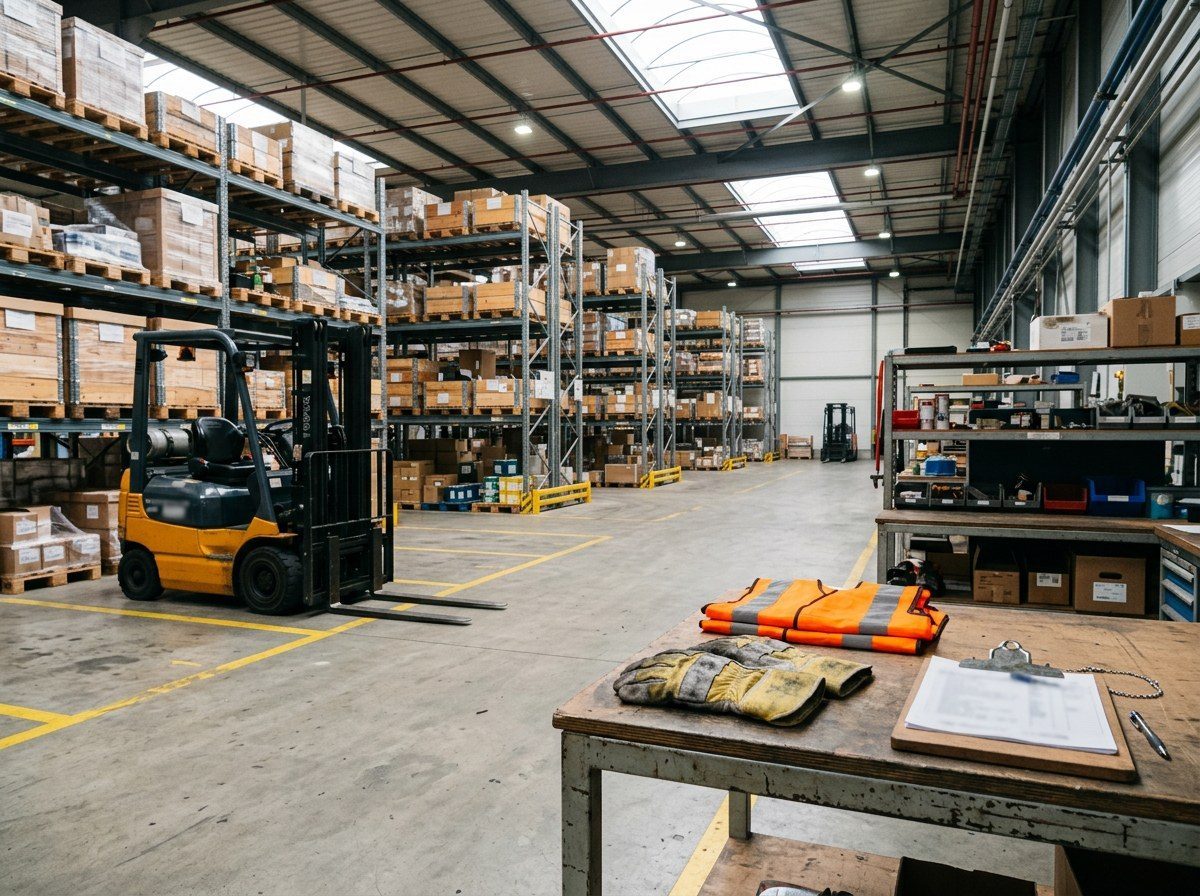
Warehouse and industrial workplace setting

Warehouse and Industrial Accidents

Warehouse injuries, forklift accidents, loading dock incidents, industrial accidents, machine-related injuries, conveyor belt incidents, crush injuries, electrical injuries, burn injuries, and defective tools or safety devices may all raise third-party questions.

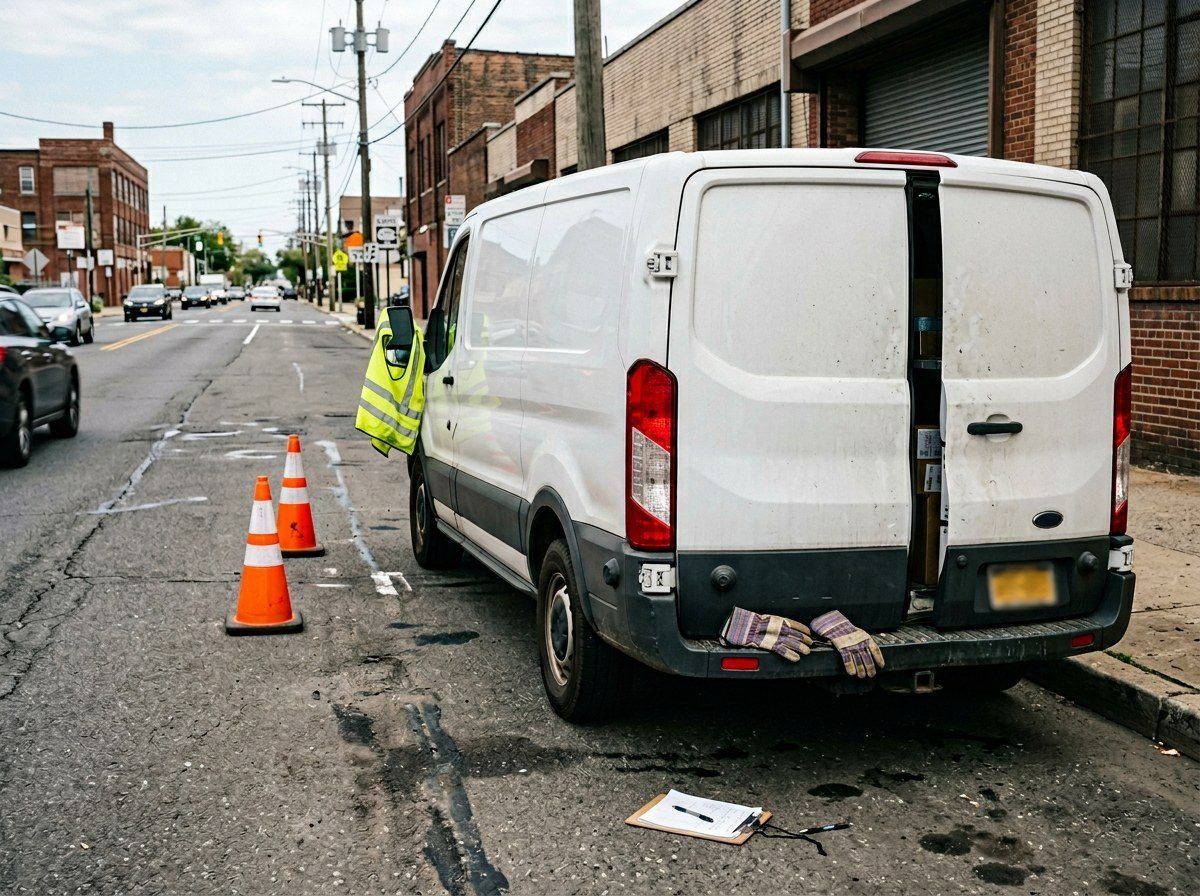
Transportation and labor-related work setting

Delivery, Vehicle, and Fatal Incidents

Delivery driver accidents, company vehicle crashes, work-related pedestrian accidents, commercial vehicle events, and workplace-related wrongful death claims can involve both work-injury issues and separate civil claims.

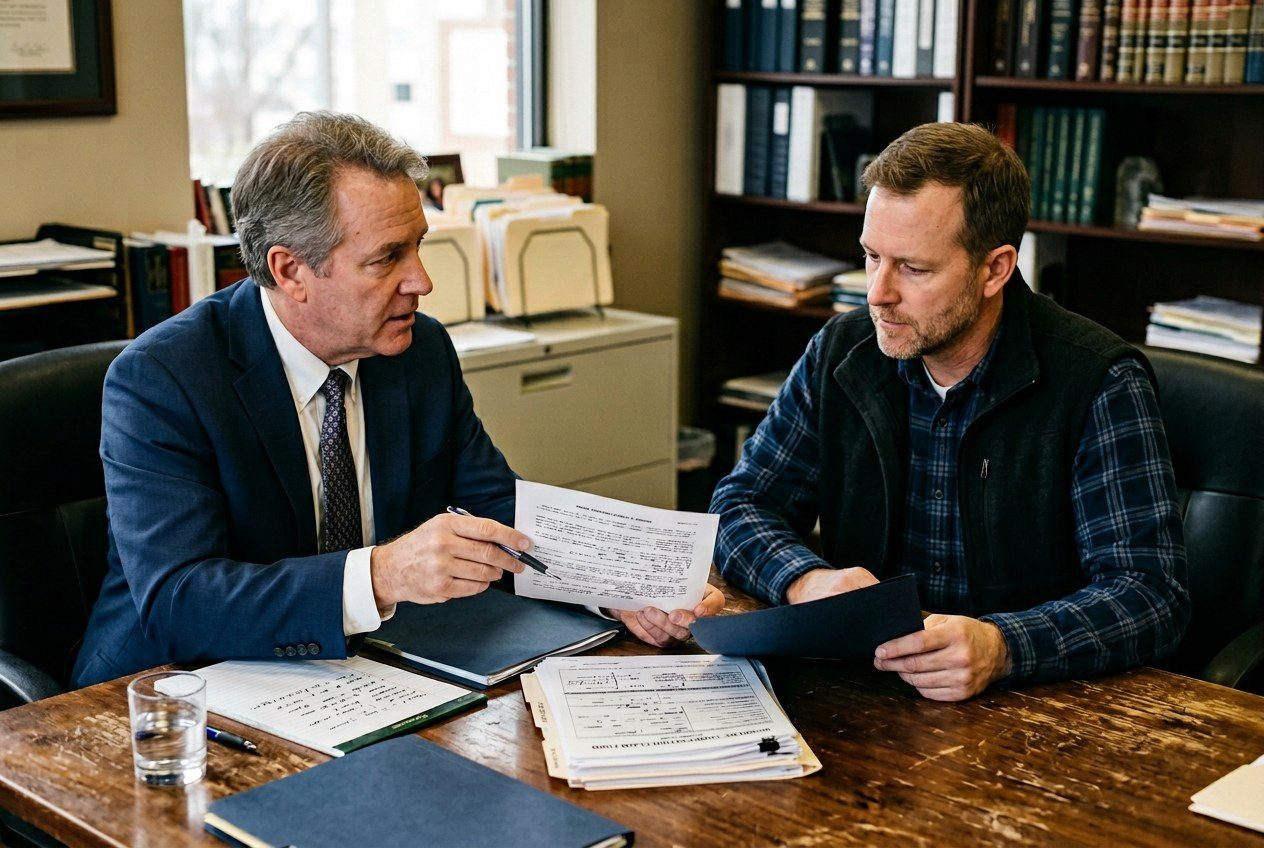
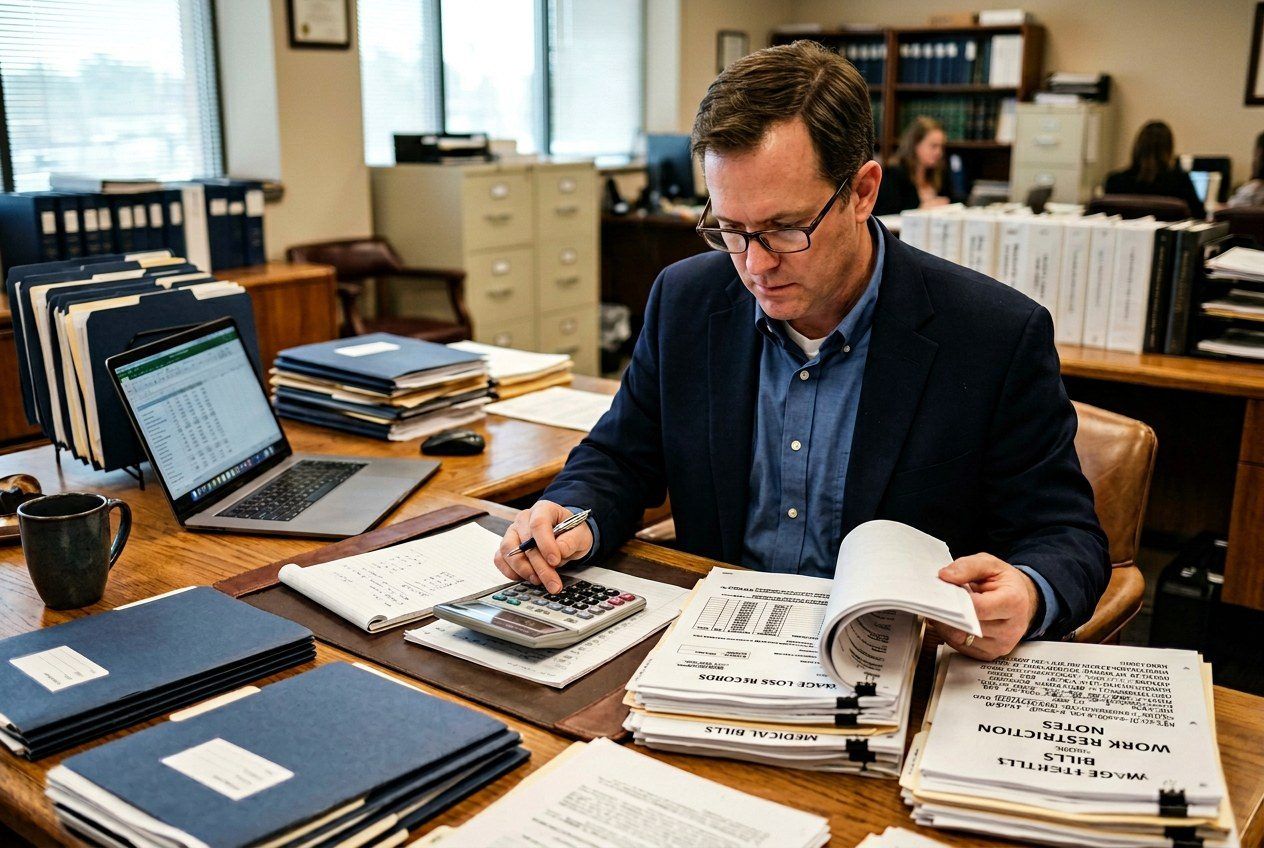
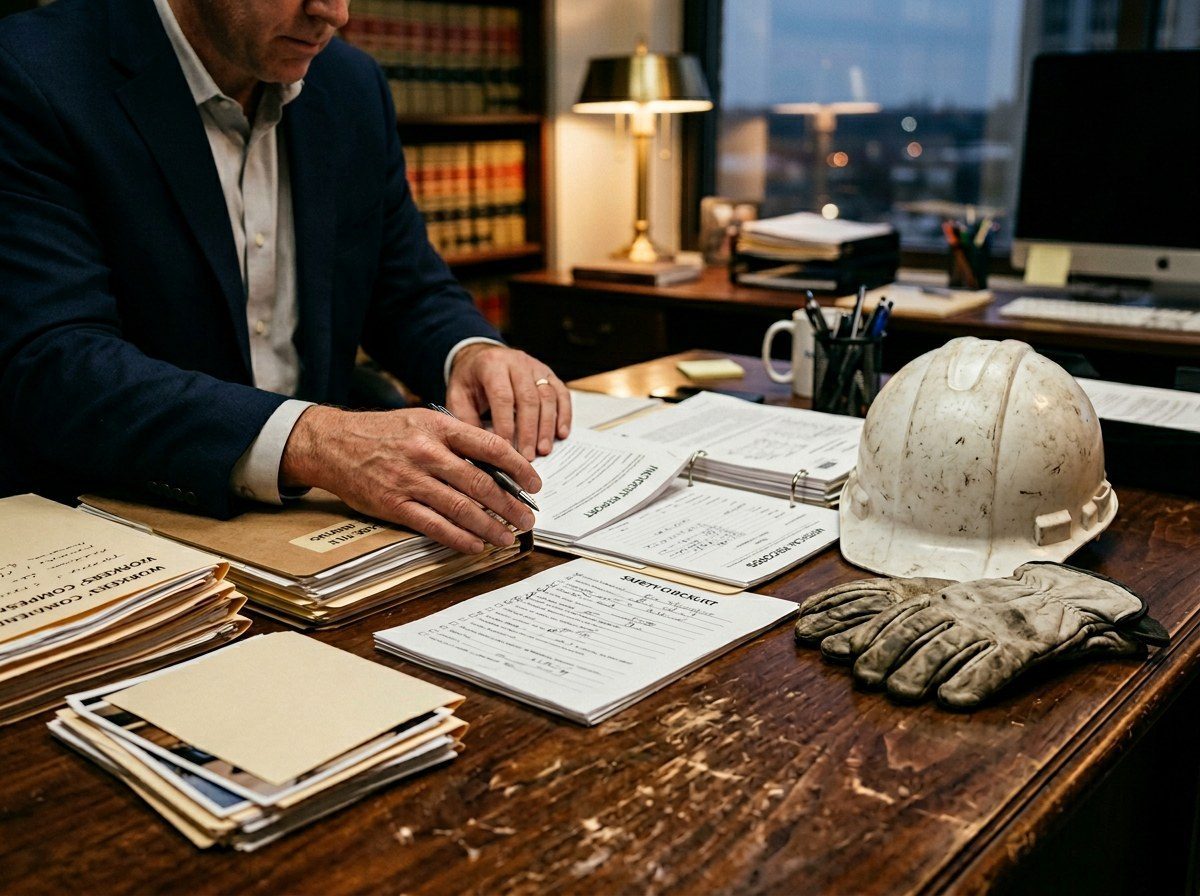
Workers' compensation and work injury documents being reviewed

Workers' Compensation May Not Answer Every Question

New Jersey workers' compensation may address medical treatment, wage replacement, permanent disability issues, and death benefits for qualifying work-related injuries or deaths. It is often the first claim system involved after someone is hurt on the job.

A third-party claim is different. It is a civil injury claim against someone other than the employer or a co-worker who may be legally responsible for the injury. That could include a negligent driver, property owner, subcontractor, general contractor, equipment manufacturer, maintenance company, or another outside party.

Workers' Compensation May Involve

  • Medical treatment authorization
  • Temporary disability or wage-replacement issues
  • Permanent disability issues
  • Disputes over whether the injury is work-related
  • Disputes over treatment, restrictions, or return-to-work status
  • Death benefits in fatal work-related cases

A Third-Party Claim May Involve

  • Negligence by a non-employer party
  • Unsafe property conditions
  • Vehicle crashes while working
  • Defective products, tools, or equipment
  • Construction-site responsibility
  • Contractor or subcontractor conduct
  • Pain and suffering damages where allowed
  • Losses not handled the same way in workers' compensation
In some cases, both systems need to be considered together.
Third-party liability review for workplace injury claim

More Than One Company May Be Involved

One of the most important questions after a work injury is whether someone outside your employer helped cause the harm.

A construction worker may be employed by one subcontractor, working under a general contractor, using rented equipment, and standing on property owned by someone else. A delivery worker may be hurt by a careless driver or unsafe loading dock. A warehouse worker may be injured by a machine serviced by an outside company.

Potentially Responsible Third Parties May Include

  • General contractors
  • Subcontractors
  • Property owners
  • Property managers
  • Outside drivers
  • Delivery companies
  • Trucking companies
  • Equipment rental companies
  • Machine manufacturers
  • Tool or safety-equipment manufacturers
  • Maintenance vendors
  • Cleaning or site-service companies
  • Security companies
  • Other outside businesses working at the same location

The fact that you were hurt while working does not automatically decide every legal issue.

Workers' compensation has its own reporting and filing rules. A separate third-party injury claim may have a different civil lawsuit deadline. If a public entity, public employee, public property, public vehicle, public hospital, school district, municipality, county, or State agency may be involved, a notice of claim may be required much earlier, sometimes within 90 days of accrual.

This may include a municipal vehicle, public work site, public building, school property, public hospital, or government-controlled location. Do not wait until treatment is finished or the injury has fully developed before asking which deadlines may apply.

Claim Timing

Reporting the injury to the employer, filing a workers' compensation claim petition, and preserving third-party injury claims may involve different timing rules.

Public Entities

Public-entity cases may require early notice before an ordinary lawsuit deadline arrives.

Evidence Timing

Early review can help protect evidence before it disappears and identify the right parties and insurance coverage.

If you are unsure whether a deadline applies, call the firm or send a message. It is better to ask early than to lose time while the facts are still developing.
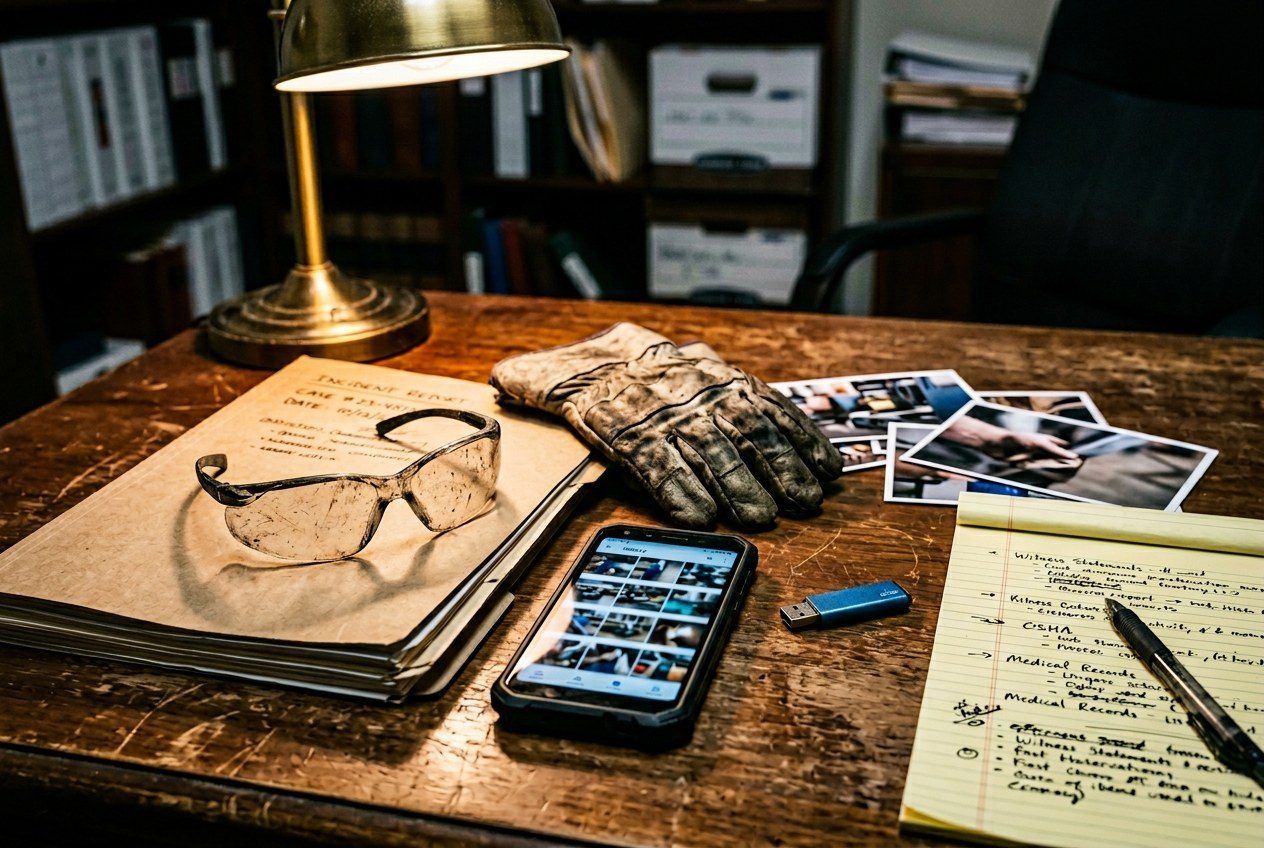
Workplace injury evidence and records

Evidence to Preserve

In serious workplace injury cases, evidence can change or disappear quickly. A work area may be cleaned. Equipment may be repaired. A vehicle may be moved. A machine may be put back into service. Surveillance video may be overwritten. Witnesses may leave the job site or change employers.

That is why early evidence preservation can matter.

Important Evidence May Include

  • Incident reports
  • Supervisor reports
  • Witness names and contact information
  • Photos or videos of the scene
  • Surveillance footage
  • Job-site safety records
  • Training records
  • Inspection logs
  • Maintenance records
  • Equipment manuals
  • Rental agreements
  • Contracts between companies
  • Work orders
  • Safety meeting records
  • OSHA-related records, where applicable
  • Vehicle information
  • Machine serial numbers
  • Damaged tools, gear, clothing, or safety equipment
  • Medical records
  • Work restrictions
  • Wage and employment records

If you have photos, messages, reports, letters, or claim numbers, keep them. If you do not have those items yet, do not assume the case is lost. A careful review can help identify what may still be available.

Workplace injury claim involving serious physical harm

Serious Work-Related Harm

Workplace injuries can range from short-term harm to life-changing trauma. The more serious the injury, the more important it becomes to understand the full claim picture.

  • Back and neck injuries
  • Shoulder, knee, and joint injuries
  • Broken bones
  • Crush injuries
  • Head injuries
  • Traumatic brain injuries
  • Spinal cord injuries
  • Burn injuries
  • Electrical injuries
  • Amputations
  • Eye injuries
  • Nerve damage
  • Internal injuries
  • Permanent restrictions
  • Inability to return to the same type of work
Some injuries affect far more than the first hospital visit. They can change your ability to work, drive, lift, walk, sleep, care for your family, or return to the same job. Those long-term effects should be documented carefully.
Damages and wage-loss review after a workplace injury

Third-Party Claims May Involve Different Losses

A third-party claim can allow review of losses that are not handled the same way in workers' compensation. The available damages depend on the facts, liability, insurance coverage, medical proof, and applicable law.

  • Medical treatment and future care needs
  • Lost income
  • Reduced earning capacity
  • Pain and suffering where allowed
  • Permanent injury
  • Disability or long-term restrictions
  • Loss of normal life activities
  • Scarring or disfigurement
  • Out-of-pocket expenses
  • The effect of the injury on future work
  • Wrongful death and dependency issues in fatal cases

No Promise Without a Review

No attorney can promise what your case is worth without reviewing the facts. A proper damages review should look at your medical records, work history, income, restrictions, future care needs, insurance issues, and the evidence showing who caused the injury.

Worker preserving details after a workplace injury

Protect the Record

  • Get emergency medical care or follow-up treatment.
  • Report the injury through the proper workplace channel.
  • Ask for a copy of any incident report.
  • Write down the names of witnesses.
  • Save photos, videos, texts, emails, and documents related to the incident.
  • Keep damaged clothing, tools, gear, or safety equipment if they may matter.
  • Save medical records, work restrictions, and wage-loss information.
  • Keep insurance letters, claim numbers, and benefit notices.
  • Do not sign a release or settlement document without legal review.
  • Do not assume workers' compensation is your only possible claim.

Before a Recorded Statement

Before giving a recorded statement, understand who is asking, which claim it relates to, and why the statement is being requested. You do not need to gather everything before calling. Bring what you have. We can help identify what may be missing.

After a workplace injury, you may hear from an employer, insurer, claims adjuster, property owner, contractor, investigator, or other company representative. Some communication may be routine. Some may affect your rights.

Be Careful Before

  • Giving a recorded statement
  • Signing a release
  • Accepting an early settlement
  • Agreeing that no one else was responsible

Also Watch For

  • Throwing away damaged equipment or clothing
  • Returning to work before your medical restrictions are clear
  • Assuming the incident report tells the whole story
Before you make statements that may later be used against you, it helps to understand the full picture.
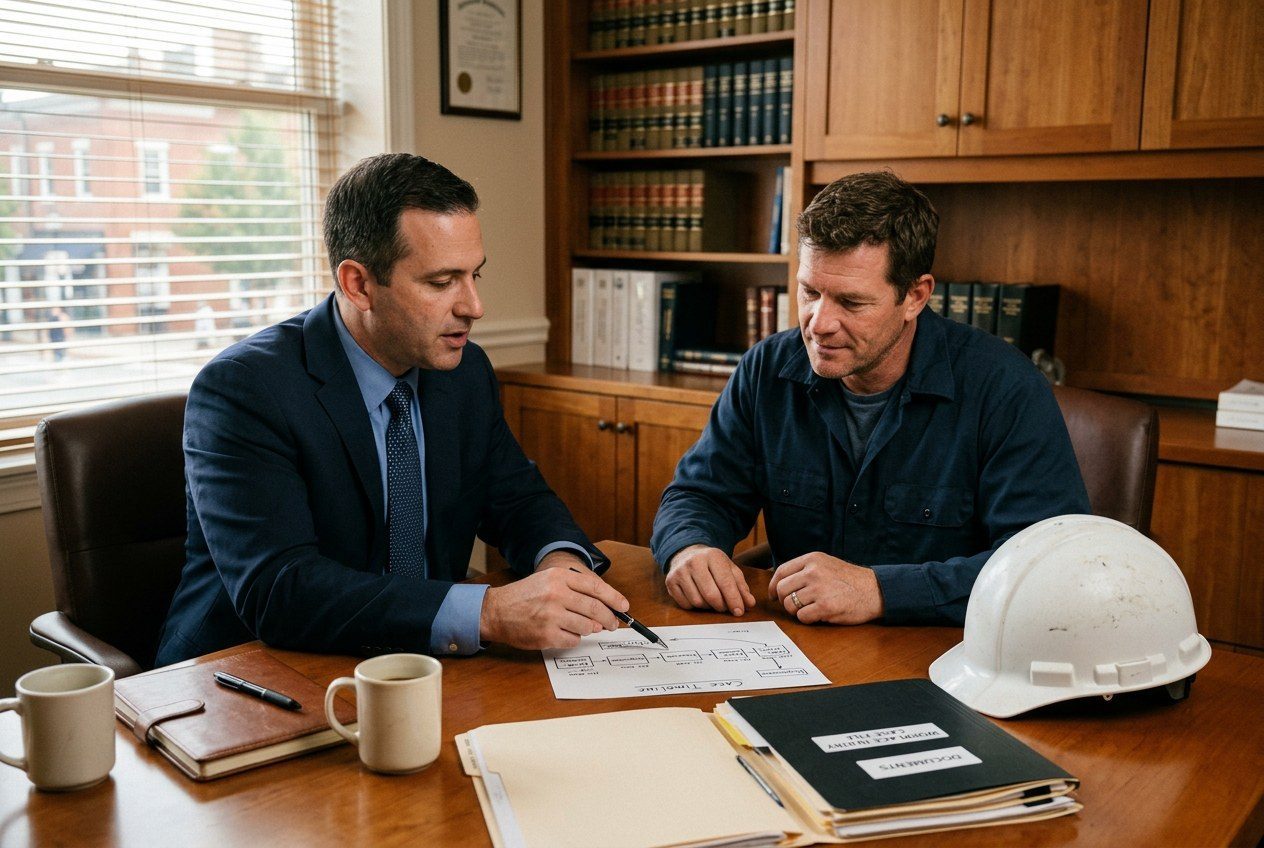
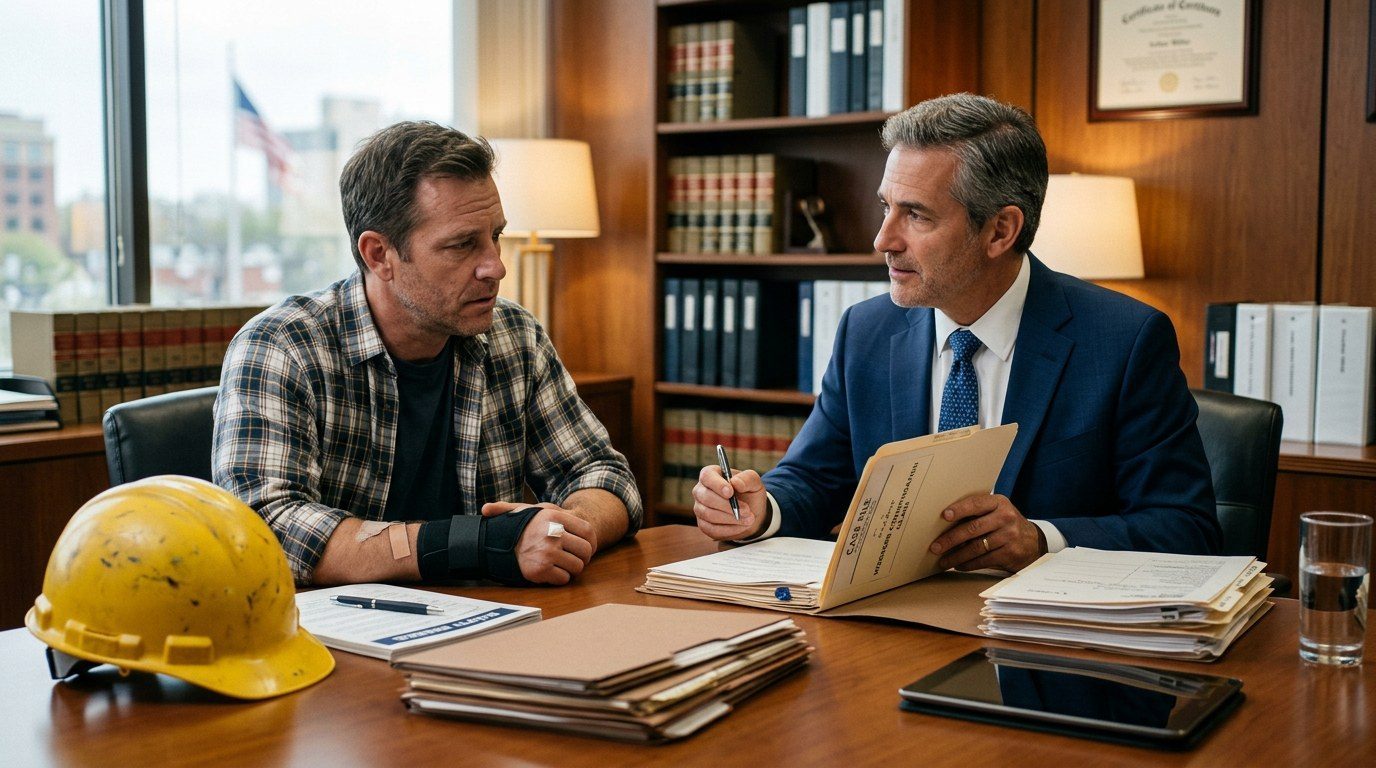
Law firm reviewing workplace injury options

Reviewing the Full Picture

When we review a workplace injury matter, we look at how the injury happened, where it happened, who employed you, who controlled the work area, and whether another company or contractor was involved.

We also look at whether a vehicle, machine, tool, ladder, scaffold, forklift, or defective product played a role; whether workers' compensation has been opened; whether a third-party claim may exist; what evidence needs to be preserved; what insurance may apply; and whether a public entity, government contractor, or public property may be involved.

Coordination Can Matter

We can help you understand whether the matter appears to involve workers' compensation only, a third-party claim, or overlapping issues that need coordination. If workers' compensation benefits and a third-party claim overlap, medical benefits, wage benefits, liens, credits, settlement terms, and insurance issues may all need review before a third-party claim is resolved.

No attorney can promise a result. But you should be able to ask direct questions and get clear guidance before making decisions that may affect your future.

A Helpful First Message Usually Includes

  • Your name and contact information
  • Where the injury happened
  • When it happened
  • What job you were doing
  • Who employed you
  • Whether another company, contractor, driver, property owner, or equipment supplier was involved
  • What caused the injury
  • What medical treatment you received
  • Whether you are missing work
  • Whether a workers' compensation claim has been opened
  • Any claim number, incident report, photos, videos, witness names, or insurance letters you have

After you reach out, the firm may review the basic information, ask follow-up questions, and explain whether more information is needed.

A first call, email, voicemail, or form submission does not create an attorney-client relationship. Representation begins only if the firm agrees to represent you and the relationship is confirmed through the proper written agreement.

It is not a general employment-law page.

This Page Is Not Focused On

  • Unpaid wages
  • Overtime disputes
  • Wrongful termination
  • Workplace discrimination
  • Harassment claims
  • Union disputes
  • Employment contracts
  • Retaliation claims unrelated to a physical injury
If you were physically injured while working, or if a work-related incident caused a serious injury or death, we can review the injury-related issues and help identify what may need attention.
Frequently asked questions about workplace injury claims

Not always. Some work-injury cases involve only workers' compensation. Others may also involve a separate claim against a non-employer party, such as a contractor, property owner, driver, equipment manufacturer, maintenance company, or another outside business that helped cause the injury.

In many situations, workers' compensation is the primary remedy against the employer for a job-related injury. There are limited exceptions, including intentional acts or intentional-wrong claims. Even if you cannot bring an ordinary negligence claim against your employer, you may still need to review whether someone outside the employer is legally responsible.

A third-party workplace injury claim is a civil claim against someone other than the employer who may have caused or contributed to the injury. Examples may include an outside driver, property owner, subcontractor, general contractor, equipment manufacturer, or maintenance vendor.

That situation often needs close review. Construction sites may involve property owners, general contractors, subcontractors, equipment companies, safety responsibilities, contracts, and site-control issues. The company that employed you may not be the only party involved.

A job-related vehicle crash may involve workers' compensation issues and a separate motor vehicle injury claim, depending on who caused the crash and what insurance applies. The vehicle, route, employer, other driver, and coverage details may all matter.

Different deadlines may apply to workers' compensation, third-party injury claims, and public-entity cases. Workers' compensation has reporting and filing rules. A separate civil claim may have its own lawsuit deadline. If a public entity may be involved, a notice of claim may be required much earlier, sometimes within 90 days of accrual.

Keep photos, videos, incident reports, witness names, damaged equipment, work restrictions, medical records, wage information, claim numbers, and any letters or emails from an employer, insurer, contractor, or property owner. Do not discard items that may show how the injury happened.

That does not automatically mean every legal issue is resolved. Workers' compensation approval may address part of the claim, but a separate third-party issue may still exist if another person or company helped cause the injury.

There is no charge to request a free case review. If the firm agrees to represent you, fee terms, costs, expenses, and the scope of representation should be explained in a written agreement. Any contingency-fee arrangement is controlled by the written agreement.

Talk to a New Jersey Work Injury Lawyer

If you were seriously hurt at work in New Jersey, do not assume the first explanation you receive is the full story.

Tell us what happened, where it happened, who was involved, and what medical or work problems you are facing now. We can review the basic facts and help you understand whether workers' compensation, a third-party claim, or another injury-related issue may need attention.

Disclaimer

The information on this page is general information about workplace injury and job-site injury matters in New Jersey. It is not legal advice and should not be treated as advice for any specific person, injury, claim, deadline, employer, insurer, or legal problem.

Reading this page, calling the firm, emailing an attorney, submitting a website form, or requesting a free case review does not create an attorney-client relationship by itself. Representation begins only if the firm agrees to represent you and the relationship is confirmed through the proper written agreement.

No attorney can guarantee a result. Every workplace injury matter depends on its own facts, evidence, injuries, employment relationship, insurance issues, deadlines, damages, and applicable law.

Free Review Call Now