
Serving Injury Clients Across New Jersey No Fee Unless We Win Free Case Review Available

Practice Area

Traumatic Brain Injury Lawyer in New Jersey

A traumatic brain injury can change the way you think, work, sleep, communicate, and live day to day. Some symptoms appear right away. Others become clearer only after the shock of the accident has passed.

If you or someone in your family suffered a concussion, head injury, or suspected brain injury after an accident in New Jersey, do not rely only on what the insurance company tells you. Pinnacle Injury Law can review what happened, what evidence matters, what medical proof may be needed, and what compensation may be available under New Jersey law.

We represent injured people across New Jersey, including Bergen County and nearby communities.

  • New Jersey concussion and brain injury claims
  • Medical proof and long-term loss review
  • Insurance, evidence, and deadline review
  • Bergen County and nearby communities
  • Clear next steps before any representation begins

A traumatic brain injury can happen when a sudden blow, jolt, fall, crash, or object impact disrupts normal brain function. Some brain injuries are obvious. Others are harder to see because the injured person may look normal while struggling with headaches, memory problems, dizziness, fatigue, mood changes, or difficulty concentrating.

Even a so-called mild traumatic brain injury can seriously affect memory, concentration, mood, sleep, work, and daily life.


That is why these claims should be reviewed carefully. A brain injury case is not only about the first emergency room visit. It may involve follow-up treatment, neurology care, imaging, therapy, cognitive symptoms, work limitations, family observations, and the long-term effect on daily life.

Medical exam after a sports-related head injury

Traumatic brain injuries can happen in many types of New Jersey personal injury cases, including:

  • Car accidents
  • Truck and commercial vehicle crashes
  • Motorcycle, bicycle, and pedestrian accidents
  • Slip and fall or trip and fall accidents
  • Construction and workplace accidents
  • Assaults or negligent security incidents
  • Falling objects
  • Sports, school, or recreational incidents
  • Bus, rideshare, or public transportation accidents

The legal claim depends on how the injury happened, who was responsible, what evidence is available, and what insurance coverage applies.

Dizziness and vertigo symptoms after a brain injury

Brain injury symptoms can affect the body, thinking, emotions, behavior, and sleep. You should take symptoms seriously if they appear after a crash, fall, impact, or violent event.

Possible symptoms include:

  • Headaches or pressure in the head
  • Dizziness, balance problems, or nausea
  • Sensitivity to light or noise
  • Blurred vision or ringing in the ears
  • Memory problems
  • Trouble concentrating
  • Feeling slowed down, foggy, or confused
  • Fatigue or sleep changes
  • Irritability, anxiety, mood changes, or depression
  • Speech, coordination, or movement problems
  • Seizures, loss of consciousness, or worsening symptoms

This page is not medical advice. If symptoms are serious, worsening, or unusual, seek medical care immediately.

Doctors reviewing brain scan imaging

Insurance companies often challenge brain injury claims, especially when scans do not clearly show the injury or when symptoms appear gradually. Strong documentation can help show how the injury affected your health, work, family life, and future needs.

Important medical proof can include:

  • Emergency room records
  • Primary care and specialist records
  • Neurology or neuropsychology evaluations
  • Imaging reports where available
  • Therapy and rehabilitation records
  • Medication records
  • Symptom journals
  • Work restriction notes
  • Statements from family members, coworkers, or caregivers
  • Records showing changes in school, work, sleep, memory, mood, or daily function

A careful legal review connects the injury, the medical history, the accident facts, and the long-term impact.

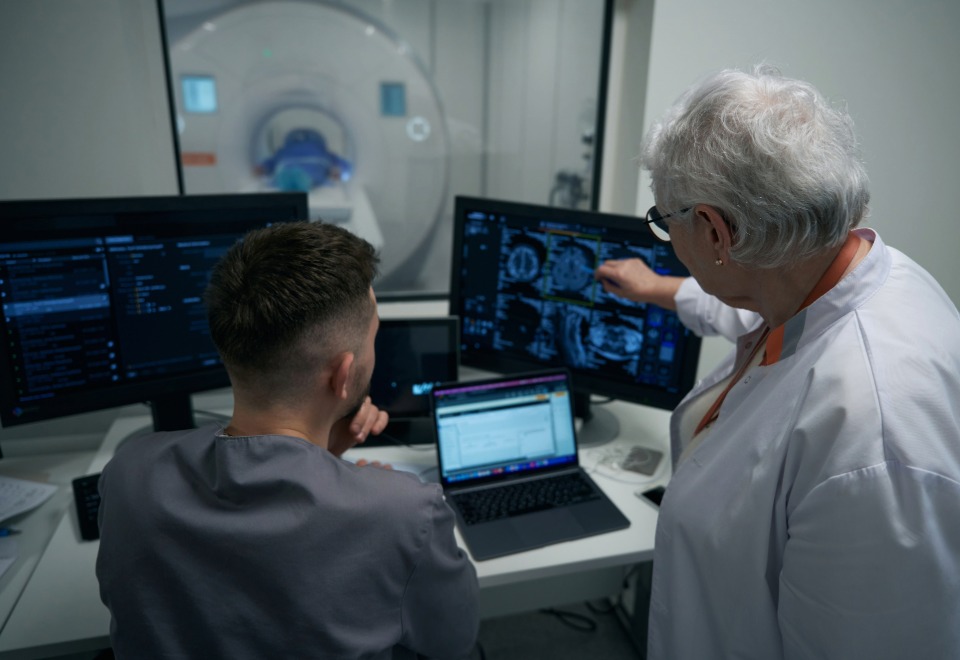
Radiology review for a brain injury claim

A brain injury case often depends on more than medical records. The accident evidence also matters.

Depending on what happened, useful evidence can include:

  • Police reports or incident reports
  • Crash reports and photographs
  • Surveillance video, dashcam footage, or doorbell camera footage
  • Witness names and statements
  • Vehicle damage photographs
  • Property condition photographs
  • Maintenance records
  • 911 records or EMS records
  • Employer, school, store, or property-owner records
  • Cell phone, rideshare, or transportation records
  • Prior and post-accident work records

Evidence can disappear quickly. Early review can help identify what needs to be preserved.

Man dealing with headache symptoms after a brain injury

Brain injuries are often misunderstood. An insurance adjuster may argue that the injury is just a concussion, that symptoms are unrelated, that the person looks fine, or that the medical records do not prove a serious injury.

Do not give a recorded statement, sign broad medical authorizations, or accept an early settlement before understanding the full picture. Once a claim is settled, you may not be able to reopen it later if symptoms continue or future care becomes necessary.

Pinnacle Injury Law can review the insurance issues, medical documentation, liability evidence, and possible long-term losses before you make decisions that affect your claim.

Older adult experiencing head injury pain

The losses in a traumatic brain injury claim may include:

  • Emergency care and hospital bills
  • Doctor visits, neurology care, therapy, and rehabilitation
  • Future medical treatment
  • Lost wages
  • Reduced earning ability
  • Pain and suffering
  • Loss of normal life activities
  • Cognitive, emotional, and behavioral effects
  • Long-term care or support needs
  • Permanent injury or disability
  • Wrongful death and estate-related damages where a life was lost

The value of a claim depends on the facts, the injury, the medical proof, the available insurance, the long-term impact, and New Jersey law. No result can be promised.

Document review for a traumatic brain injury matter

Do not wait to have a traumatic brain injury claim reviewed. In many New Jersey personal injury cases, the general filing deadline is two years from the date of injury. However, the correct deadline can depend on the facts.

If a public entity may be involved, such as a public school, public hospital, municipal property, public transportation agency, government vehicle, or state or local agency, formal notice may be required much earlier, sometimes within 90 days of accrual.

Because brain injury symptoms can develop over time and deadline issues can be fact-specific, early review is important.

If a brain injury is affecting your health, work, memory, mood, sleep, or daily life, you should not have to handle the insurance and legal process alone.

Pinnacle Injury Law can review what happened, what evidence may need to be preserved, what medical documentation may be important, what insurance coverage may apply, and what next steps may be available.

Call (201) 265-4500 or request your free case review online. There is no attorney fee unless compensation is recovered for you.

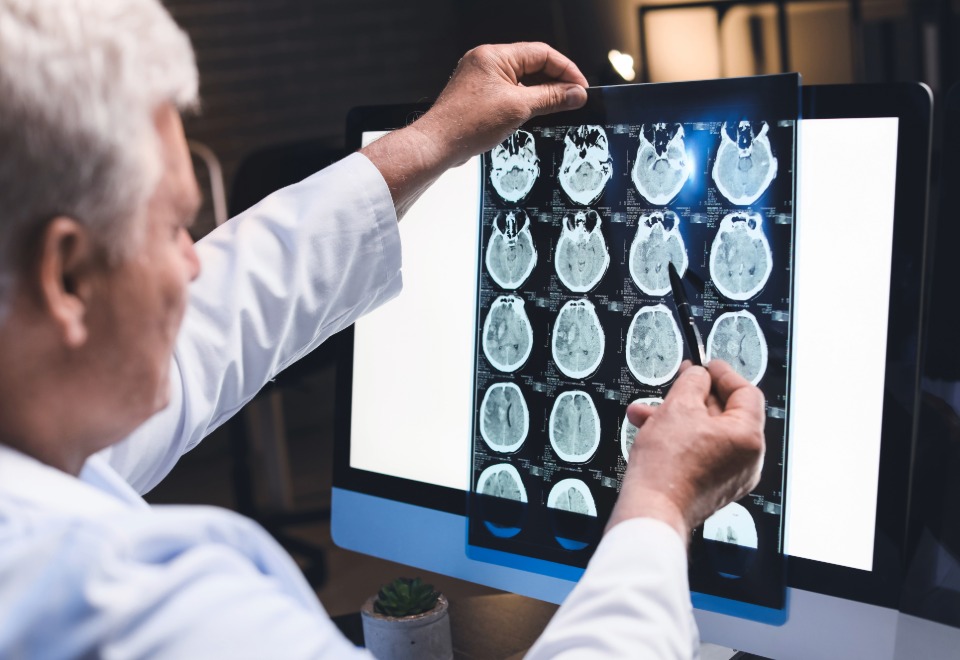
Neurologist reviewing a CT brain scan

A traumatic brain injury can occur when a blow, jolt, fall, crash, or impact disrupts normal brain function. It can range from a concussion to a severe brain injury with long-term or permanent effects.

Possibly. Some brain injury claims involve symptoms that are not clearly shown on routine imaging. Medical evaluation, symptom history, specialist care, and functional changes may all matter.

Symptoms may include headaches, dizziness, nausea, memory problems, confusion, light sensitivity, sleep changes, mood changes, balance problems, and difficulty concentrating. Serious, worsening, or unusual symptoms should be evaluated by a medical professional immediately.

Insurance companies may dispute the severity, cause, or long-term impact of a brain injury. Medical records, specialist evaluations, symptom history, family observations, work records, and daily-life changes can help document the claim.

That can happen. Some symptoms become clearer after the initial shock, stress, or adrenaline passes. You should seek medical care and have the legal issues reviewed if symptoms continue or worsen.

Brain injuries can result from car crashes, truck accidents, falls, workplace accidents, construction accidents, pedestrian accidents, bicycle accidents, motorcycle crashes, assaults, negligent security incidents, falling objects, and other impacts.

Many New Jersey personal injury claims have a general two-year filing deadline, but the deadline can vary depending on the facts. If a public entity is involved, notice may be required much earlier, sometimes within 90 days of accrual. Early review is important.

The case review is free. There is no attorney fee unless compensation is recovered for you.

Talk With a New Jersey Traumatic Brain Injury Lawyer

Pinnacle Injury Law can review what happened, what evidence may need to be preserved, what medical documentation may be important, what insurance coverage may apply, and what next steps may be available.

Disclaimer

This page is for general information only and is not legal advice. Reading this page or contacting Pinnacle Injury Law does not create an attorney-client relationship. An attorney-client relationship is formed only if the firm agrees to represent you in writing. Every traumatic brain injury case depends on its own facts, available evidence, medical proof, insurance coverage, deadlines, and applicable New Jersey law. No result is guaranteed.

Free Review Call Now