Serving Injury Clients Across New Jersey No Fee Unless We Win Free Case Review Available

Practice Area

Alcohol-Related Workplace Injury Lawyer in New Jersey

If alcohol was involved in a work-connected injury, you may not know where the case fits. The incident may involve workers' compensation, a drunk driver, a licensed alcohol server, a private host, a venue, a property owner, a transportation company, an employer-connected event, or another third party.

You do not need to know the legal answer before reaching out. Start with the facts. Tell us where the incident happened, who was involved, whether alcohol was served or allowed, how the injury happened, and what has happened since.

We can review the basic information, identify possible claim paths, and explain what evidence or deadlines may need attention.

  • New Jersey alcohol-related injury matters
  • Workplace and company-event incident review
  • Dram shop, social host, and third-party issues
  • Evidence and insurance review
  • Clear next steps before any representation begins
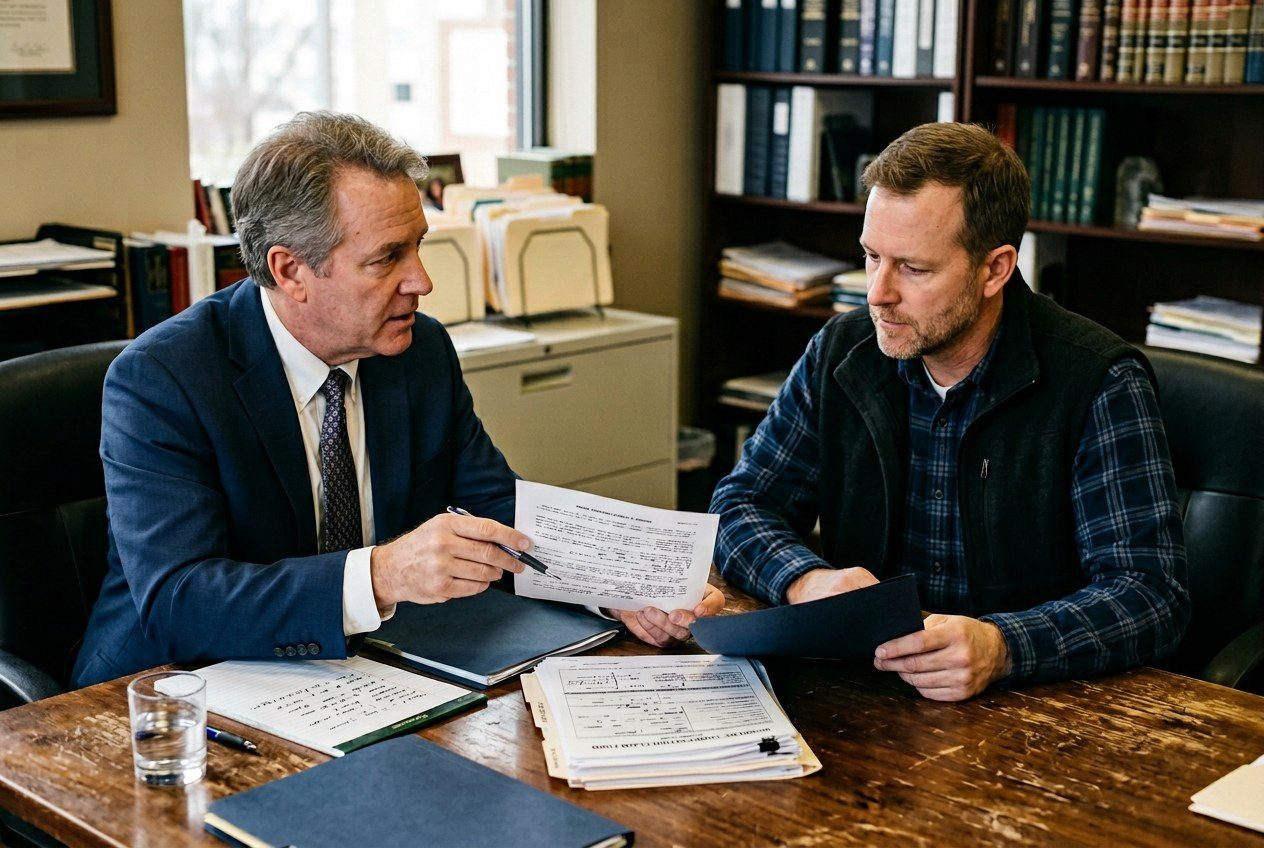
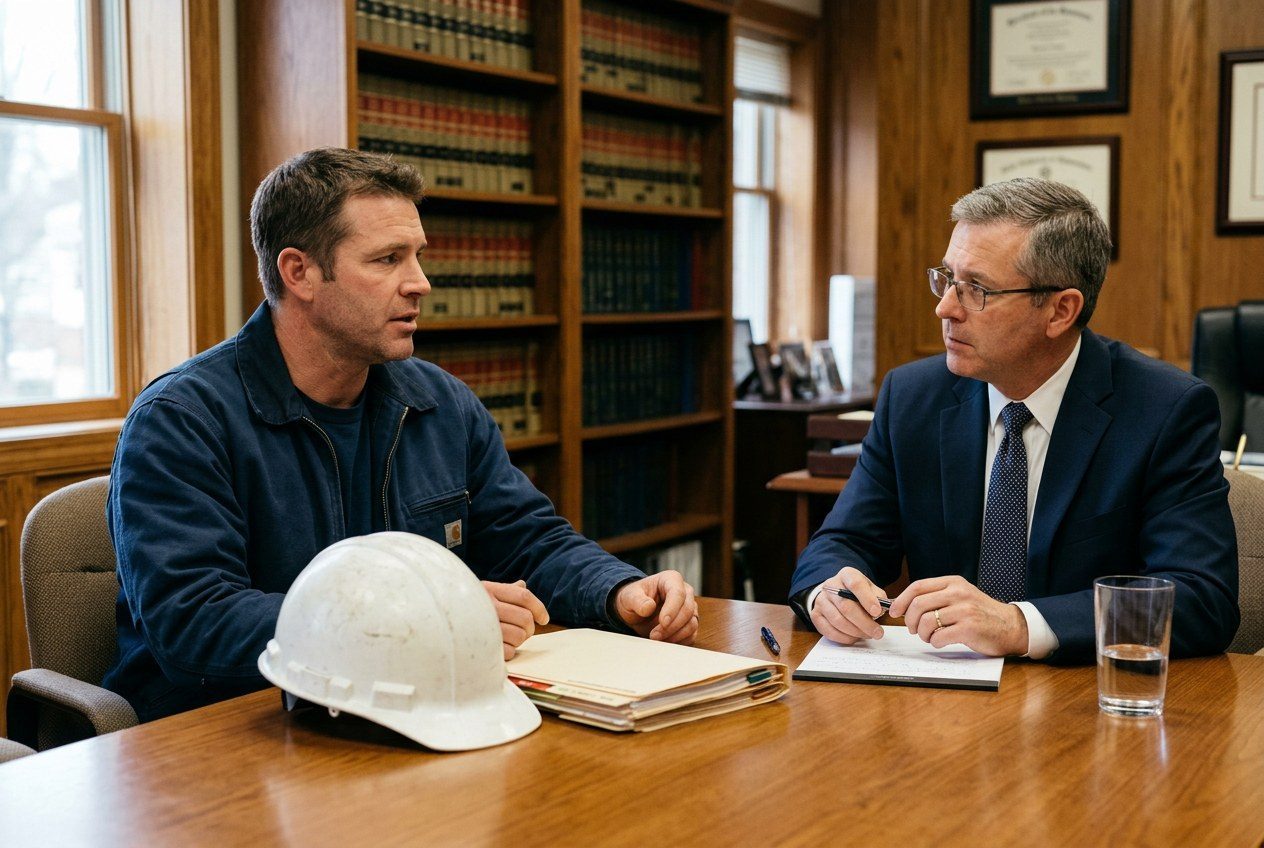
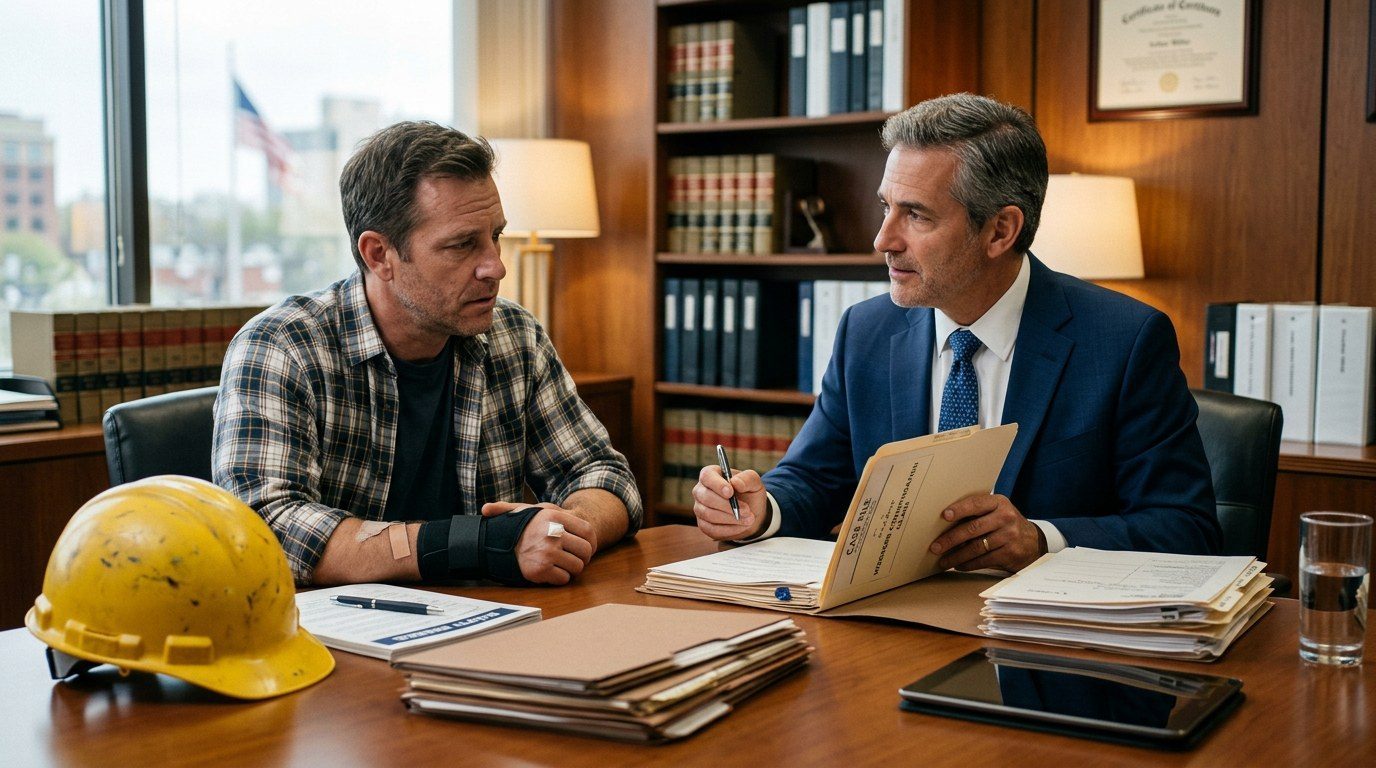
Legal review of workplace alcohol incident documents

The Better Question

A workplace alcohol incident is rarely simple. Alcohol-related workplace cases can involve company events, job-site drinking, after-work gatherings, holiday parties, work travel, customer entertainment, job-site housing, employer-sponsored transportation, unsafe rides home, coworker misconduct, assault, falls, vehicle crashes, machinery use, or other injuries connected to intoxication.

The main question is not only whether alcohol was involved. The better question is whether someone had a legal responsibility to prevent the danger and failed to do so.

A Careful Review May Look At

  • Where alcohol was consumed
  • Who supplied, served, paid for, or allowed the alcohol
  • Whether the event was work-related or employer-sponsored
  • Whether the injured person was working at the time
  • Whether a bar, restaurant, venue, caterer, or licensed server was involved
  • Whether a private host supplied alcohol
  • Whether a coworker, contractor, driver, property owner, security company, or outside business contributed to the danger
  • Whether the incident involved a vehicle crash, assault, fall, unsafe transportation, equipment use, or another injury
  • Whether workers' compensation has been opened
  • Whether a third-party claim may also exist
  • What evidence needs to be preserved quickly
You do not need to sort this out alone. Start with what happened, and we can help identify which facts may matter.

It is not a general employment-law page.

This Page Is Not Focused On

  • Employee discipline
  • Termination for drinking at work
  • HR policy disputes
  • Workplace harassment unrelated to a physical injury
  • Unpaid wages
  • Overtime disputes
  • Union grievances
  • Employment contracts
  • Criminal defense for an alcohol-related charge
If you were physically injured, or if a loved one died, after alcohol was involved in a work-connected situation, this page addresses the injury-related issues that may need review.
Work-connected event and injury review

Company Events and Gatherings

Company holiday parties, employer-sponsored events, business dinners, client entertainment, conferences, work travel, company housing, temporary work lodging, and underage drinking connected to a work or company event may need review.

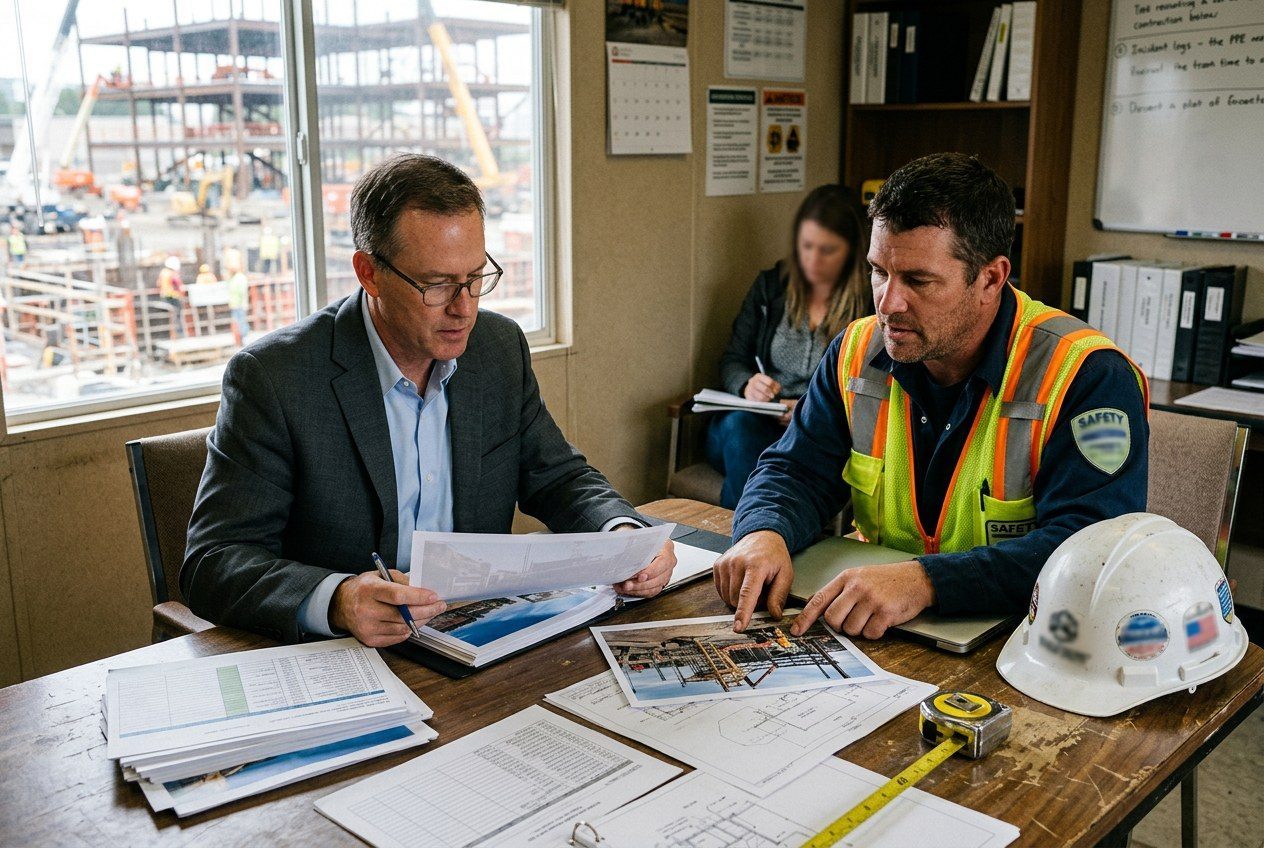
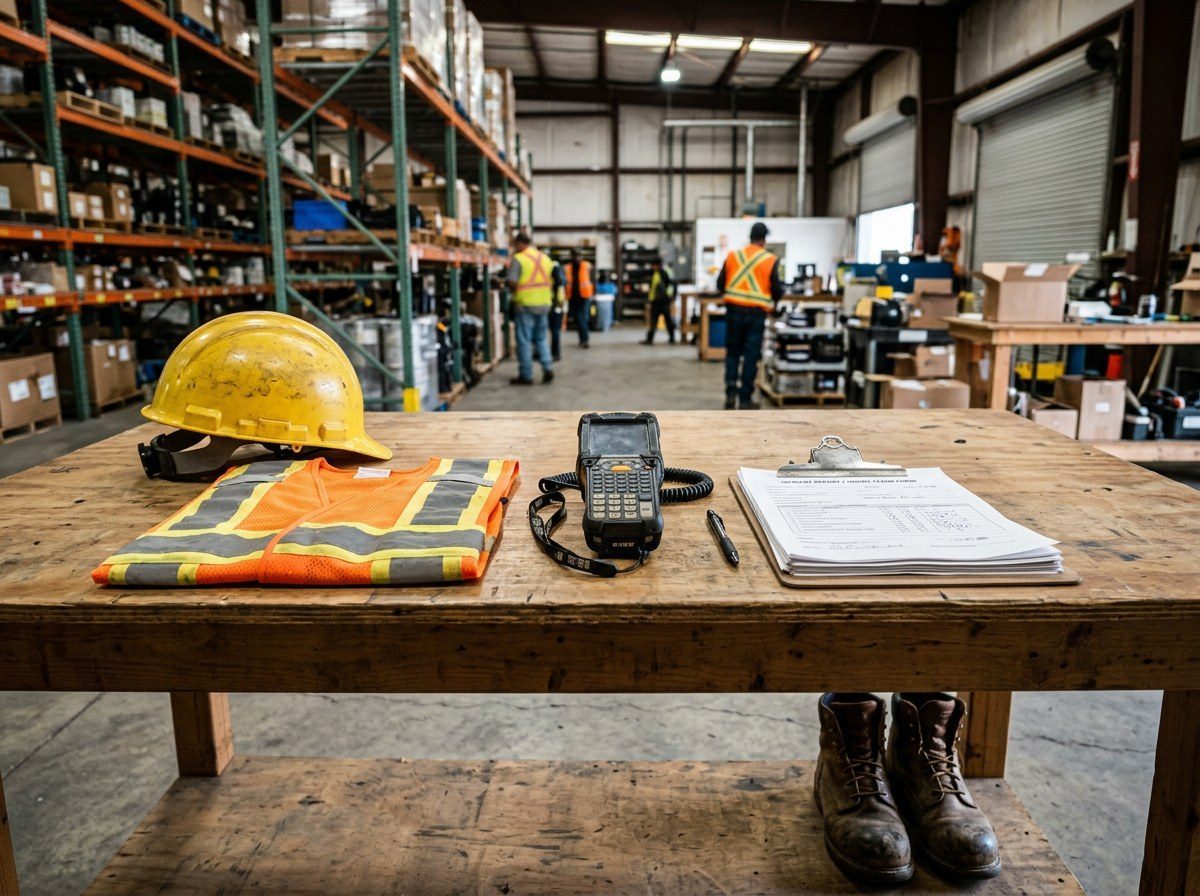
Job-site and industrial workplace setting

Job-Site and Equipment Incidents

Drinking at a job site, a worker or contractor operating equipment after drinking, or an impaired person causing a fall, assault, crash, machinery incident, or other injury can involve overlapping claim paths.

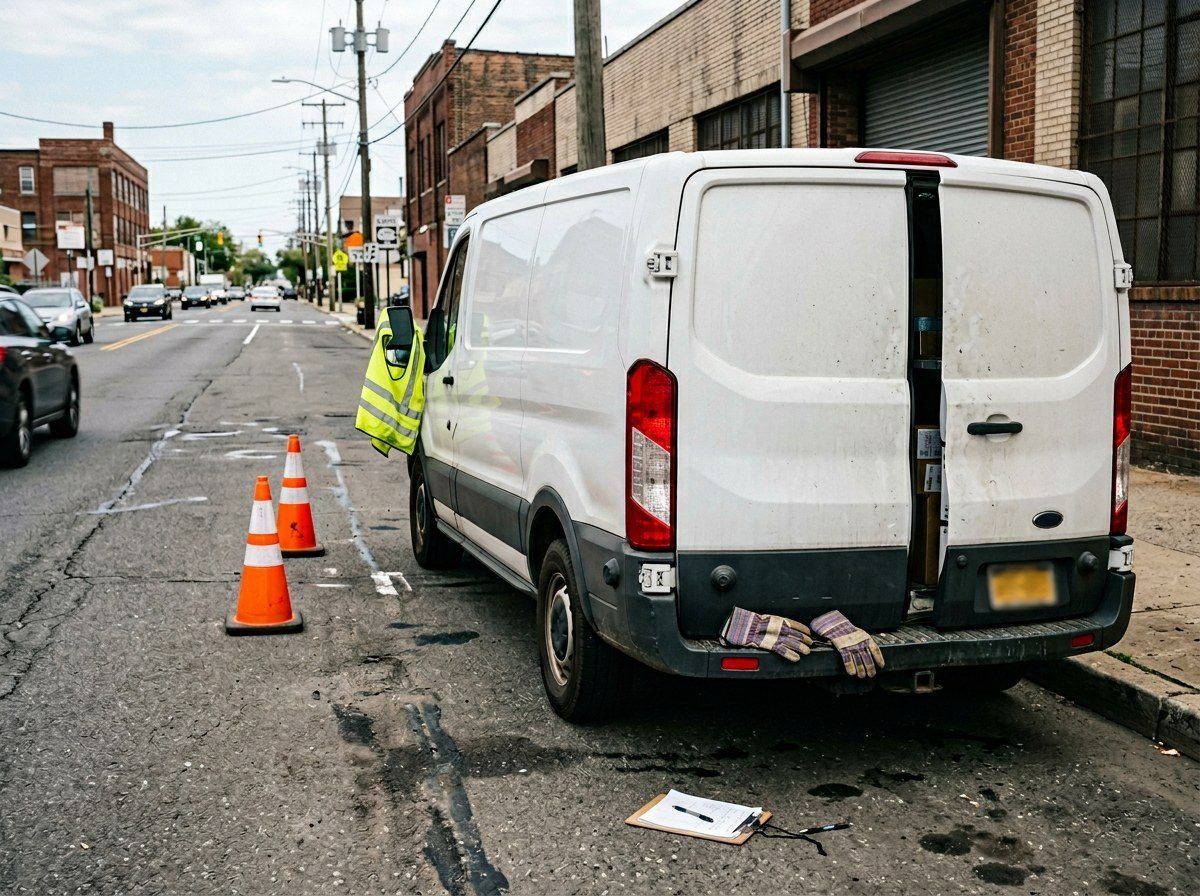
Transportation and workplace alcohol incident review

Transportation and Alcohol Service

A coworker driving while impaired, unsafe transportation after a work gathering, security failures, licensed alcohol service, private host issues, and fatal injuries after an alcohol-related incident may all require fact-specific review.

The same incident may involve workers' compensation, a dram shop issue, a social host issue, a motor vehicle claim, premises liability, security issues, or a third-party workplace injury claim.
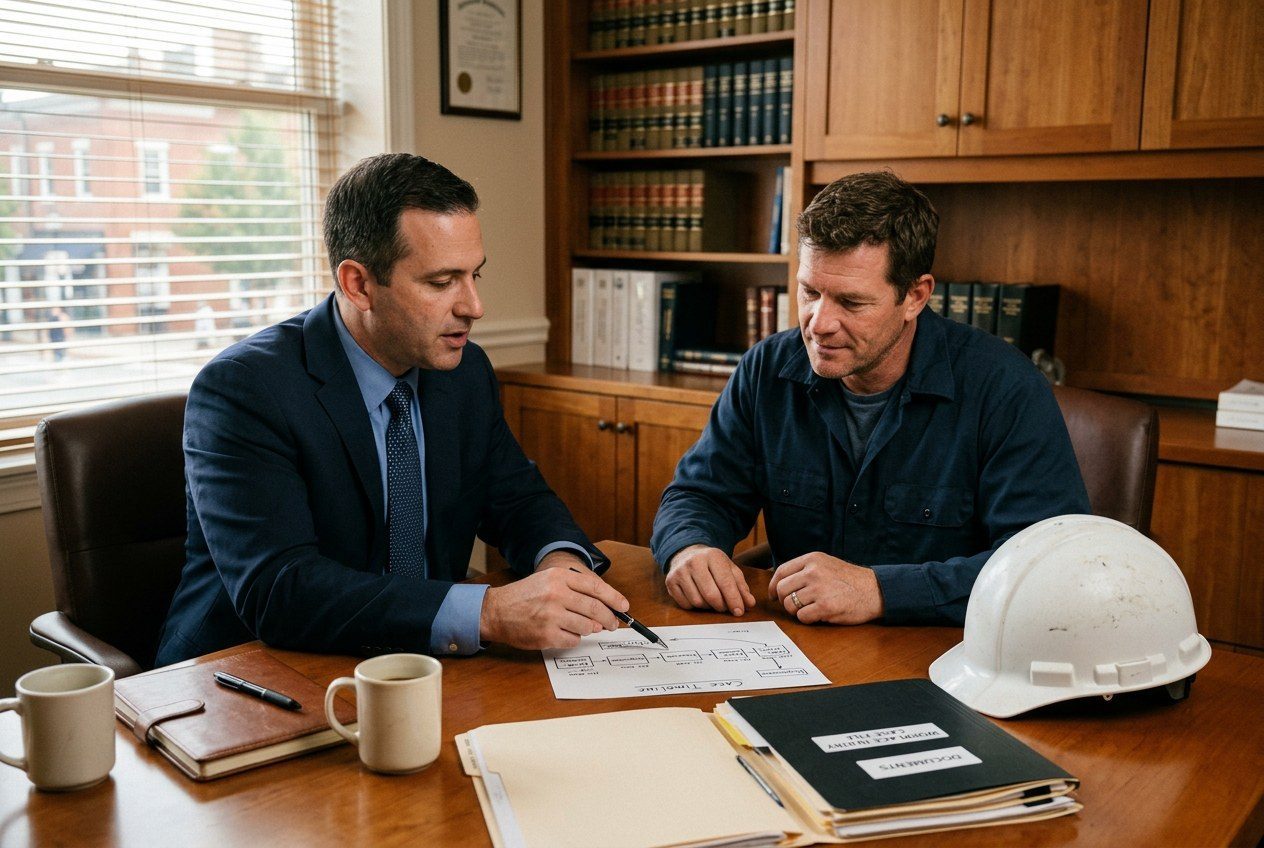
Workers' compensation and third-party claim review

More Than One System May Apply

If you were injured while working, workers' compensation may apply. New Jersey workers' compensation can address medical treatment, temporary disability, permanent disability, and death benefits for qualifying work-related injuries or deaths.

But a workplace alcohol incident may also involve someone outside the employer.

A Separate Third-Party Claim May Need Review If the Injury Was Caused or Contributed To By

  • A drunk driver
  • A bar, restaurant, venue, caterer, or licensed alcohol server
  • A private host
  • A property owner
  • A security company
  • A general contractor or subcontractor
  • An equipment company
  • A transportation company
  • A rideshare or shuttle provider
  • Another outside business or individual

Workers' compensation and third-party claims may involve different insurance, different damages, different deadlines, and different settlement issues.

If workers' compensation benefits and a third-party claim overlap, coordination can matter. Medical benefits, wage benefits, liens, credits, settlement terms, and insurance issues may all need review before a third-party claim is resolved.
Alcohol liability and third-party claim review

Licensed Servers and Private Hosts

A licensed alcohol server may include a bar, restaurant, club, venue, or other business licensed to serve alcohol. In some cases, a licensed server may be legally responsible if negligent service of alcohol contributed to an injury.

A private host may also be relevant in limited situations. Social host claims are narrower than licensed-server claims and should not be assumed simply because alcohol was present.

In adult social-host situations, New Jersey law may focus on whether alcohol was knowingly provided to a visibly intoxicated person and whether the injury arose from negligent vehicle operation by that person. Underage-drinking facts may raise different issues that require separate review.

Important Questions May Include

  • Was alcohol served by a licensed business?
  • Was the person visibly intoxicated?
  • Was the person underage?
  • Who supplied or paid for the alcohol?
  • Was the gathering private, commercial, work-related, or employer-connected?
  • Did the intoxicated person drive, assault someone, fall, or cause another injury?
  • Did the injury happen at the event, after the event, during transportation, or at another location?
  • Were there witnesses, receipts, video, tabs, ride records, texts, invitations, or social media posts?
A workplace alcohol incident may require investigation into both the alcohol source and the workplace connection.

That can include office parties, team dinners, networking events, conferences, sales events, training retreats, customer entertainment, employer-sponsored celebrations, or gatherings where attendance was encouraged by supervisors or management.

In an Employer-Connected Alcohol Incident, the Review May Ask

  • Who organized the event?
  • Who paid for alcohol?
  • Was attendance expected, required, or encouraged?
  • Were supervisors or managers present?
  • Was the event held at a workplace, rented venue, restaurant, bar, hotel, or private location?
  • Was transportation arranged or discussed?
  • Were intoxicated people allowed to drive, work, or operate equipment?
  • Were minors present?
  • Was security provided?
  • Did the employer, venue, or another party know someone was visibly intoxicated or creating danger?
Not every company event creates liability. But when alcohol, work authority, transportation, and injury overlap, the facts deserve careful review.
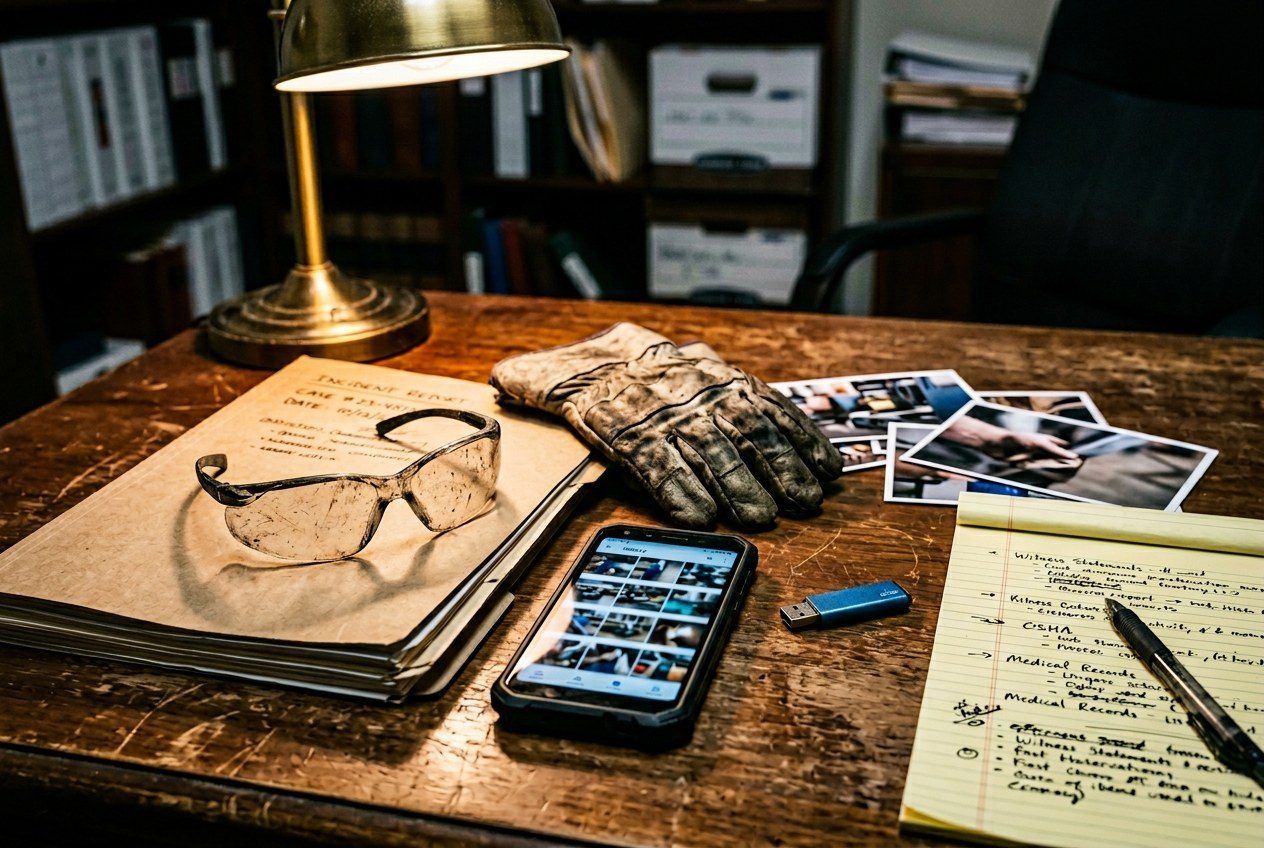
Evidence review after an alcohol-related workplace injury

Early Preservation Can Matter

Alcohol-related injury cases often depend on evidence that can disappear quickly. Receipts may be lost. Surveillance video may be overwritten. Witnesses may leave. Social media posts may be deleted. Event records may be changed or forgotten. Work-site conditions may be cleaned up.

Important Evidence May Include

  • Police reports, incident reports, EMS records, and medical records
  • Toxicology information
  • Bar tabs, receipts, and credit-card records
  • Surveillance video, phone photos, and phone videos
  • Text messages, emails, event invitations, and calendar invites
  • Social media posts
  • Witness names and contact information
  • Rideshare, taxi, shuttle, or transportation records
  • Venue contracts
  • Catering or alcohol-service contracts
  • Security records
  • Employer policies and supervisor communications
  • Workers' compensation claim information
  • Insurance letters and claim numbers
If you have any records, keep them. If you do not have them yet, do not assume they are unavailable. A quick review can help identify what should be requested or preserved.
Serious workplace injury review

Serious Harm Can Follow

Some incidents involve a crash after an event. Others involve falls, assaults, equipment accidents, unsafe transportation, or harm caused by an impaired coworker or contractor.

  • Head injuries and traumatic brain injuries
  • Neck and back injuries
  • Broken bones and facial injuries
  • Shoulder, knee, and joint injuries
  • Burns, electrical injuries, and crush injuries
  • Internal injuries and spinal cord injuries
  • Assault-related injuries
  • Pedestrian and motor vehicle crash injuries
  • Permanent restrictions and wrongful death
The more serious the injury, the more important it becomes to understand who was involved, what insurance may apply, and what evidence supports the claim.
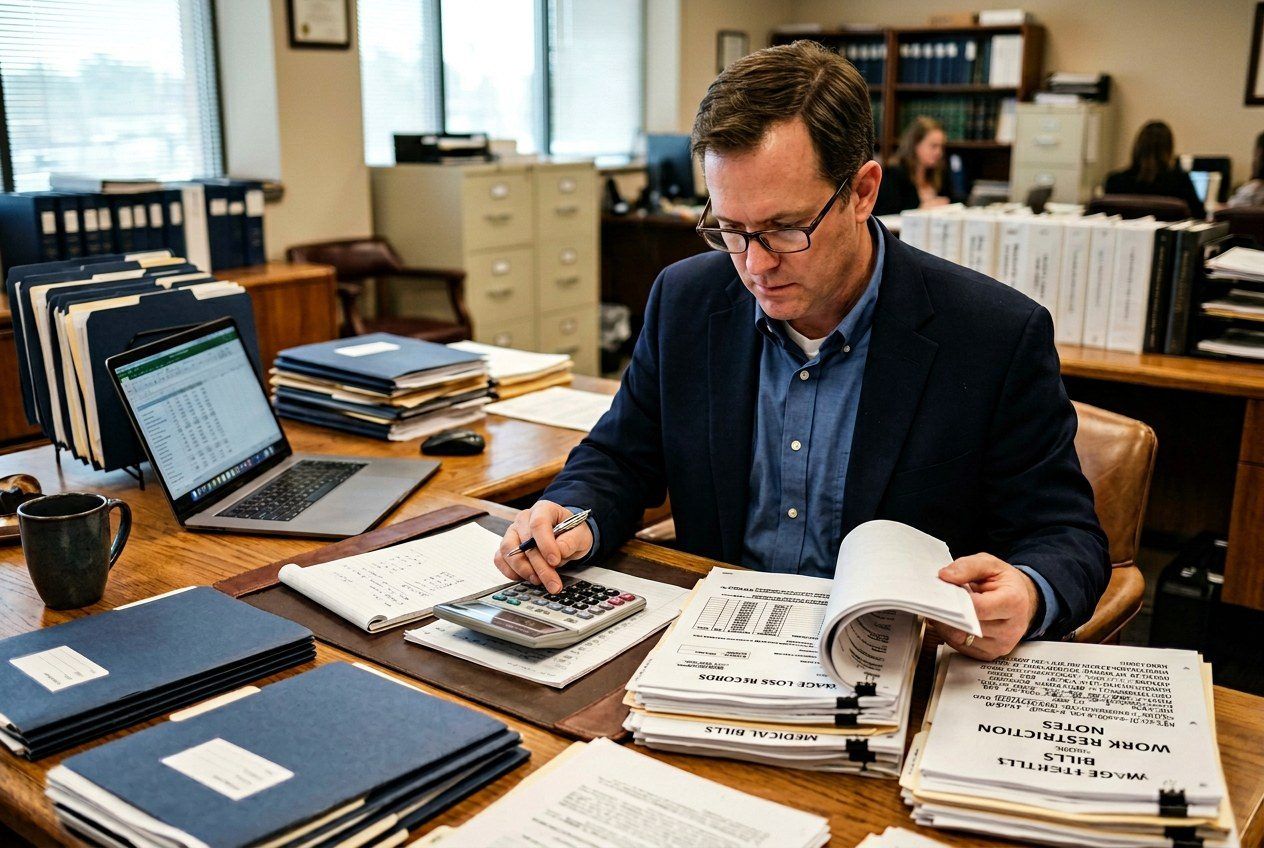
Damages review after alcohol-related workplace injury

Overlapping Claims Can Change the Review

The damages review depends on whether the matter involves workers' compensation, a third-party injury claim, a dram shop claim, a social host issue, a motor vehicle claim, premises liability, security issues, or overlapping claims.

  • Medical treatment and future care needs
  • Lost income and reduced earning capacity
  • Pain and suffering where allowed
  • Permanent injury, disability, or long-term restrictions
  • Out-of-pocket expenses
  • Insurance coverage
  • Workers' compensation benefits and credits
  • Wrongful death or dependency issues in fatal cases
No attorney can promise what a case is worth without reviewing the facts, evidence, injuries, insurance, liability, deadlines, and applicable law.

Workers' compensation has its own reporting and filing rules. A separate third-party injury claim may have a different civil lawsuit deadline. If a public entity, public employee, public property, public vehicle, school district, municipality, county, State agency, or another government-controlled location may be involved, a notice of claim may be required much earlier, sometimes within 90 days of accrual.

This may include a municipal vehicle, public work site, public building, school property, or public hospital.

Legal Deadlines

Workers' compensation, civil injury, dram shop, social host, and public-entity issues may involve different timing questions.

Practical Deadlines

Video footage may be overwritten. Receipts may be discarded. Witnesses may become harder to find. Rideshare or event records may not be easy to obtain later.

Do not wait until treatment is finished or the full injury picture is clear before asking which deadlines may apply.
Next steps after an alcohol-related workplace incident

If Possible

  • Get medical care right away.
  • Report the incident through the proper workplace or event channel.
  • Keep police reports, incident reports, and claim numbers.
  • Save photos, videos, texts, emails, invitations, and social media posts.
  • Write down who was present and who served or supplied alcohol.
  • Identify bars, restaurants, venues, hosts, coworkers, supervisors, contractors, drivers, or security staff involved.
  • Keep receipts, rideshare records, taxi records, parking records, or transportation details.
  • Keep medical records, work restrictions, and wage-loss information.

Before You Decide What to Say or Sign

  • Do not give a recorded statement before understanding who is asking and why.
  • Do not sign a release or settlement document without legal review.
  • Do not assume the intoxicated person is the only possible responsible party.

You do not need to gather everything before calling. Bring what you have. We can help identify what may be missing.

After an alcohol-related workplace injury, you may hear from an employer, workers' compensation carrier, insurance adjuster, property owner, event venue, alcohol server, security company, transportation company, investigator, or attorney for another party.

Before giving a recorded statement, understand who is asking, which claim it relates to, and why the statement is being requested.

Be Careful Before

  • Signing a release
  • Accepting an early settlement
  • Agreeing that the incident was only a personal matter
  • Saying no one else was responsible
  • Throwing away damaged clothing, equipment, or documents
  • Deleting texts, photos, videos, or social media posts
  • Assuming workers' compensation is the only possible claim
A serious injury can involve more than one insurance company and more than one legal theory. It helps to understand the full picture before making decisions that may affect your claim.
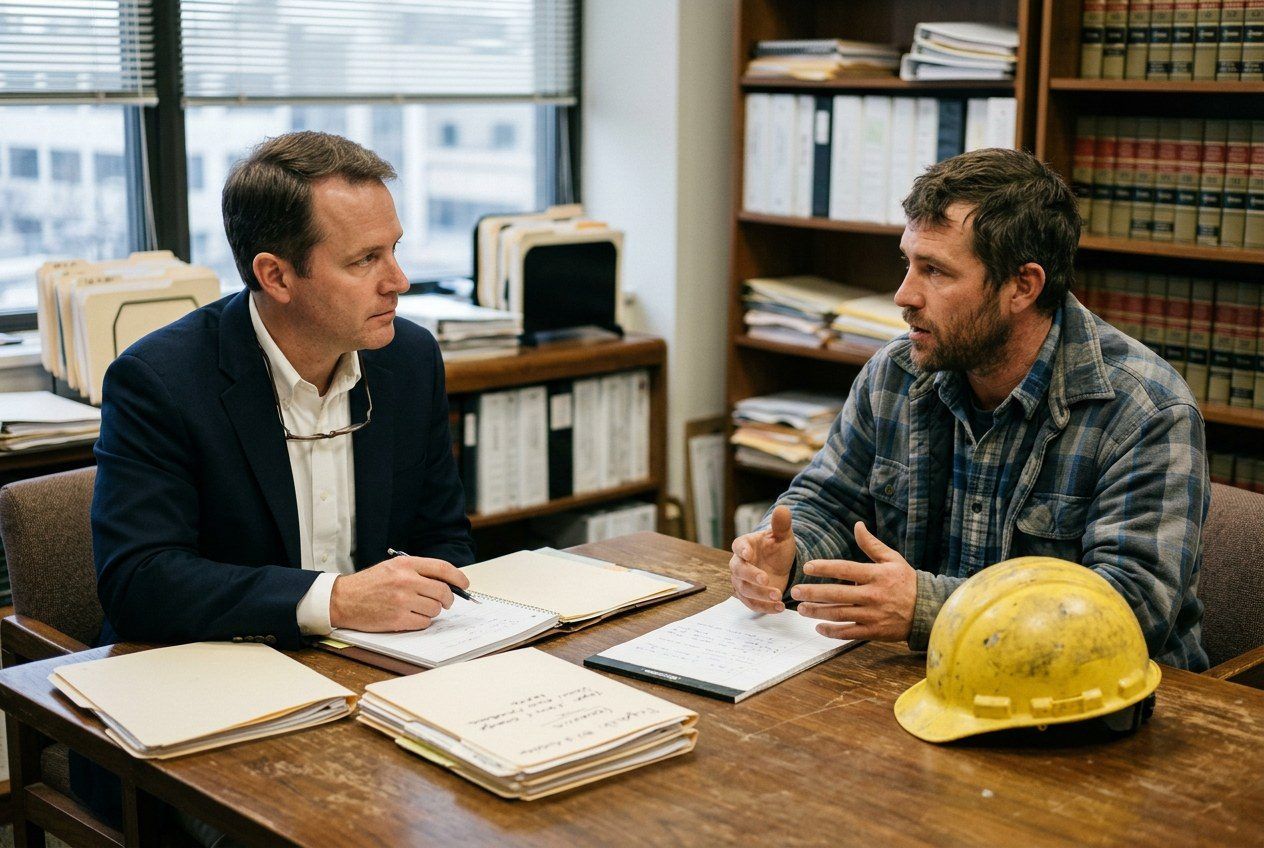
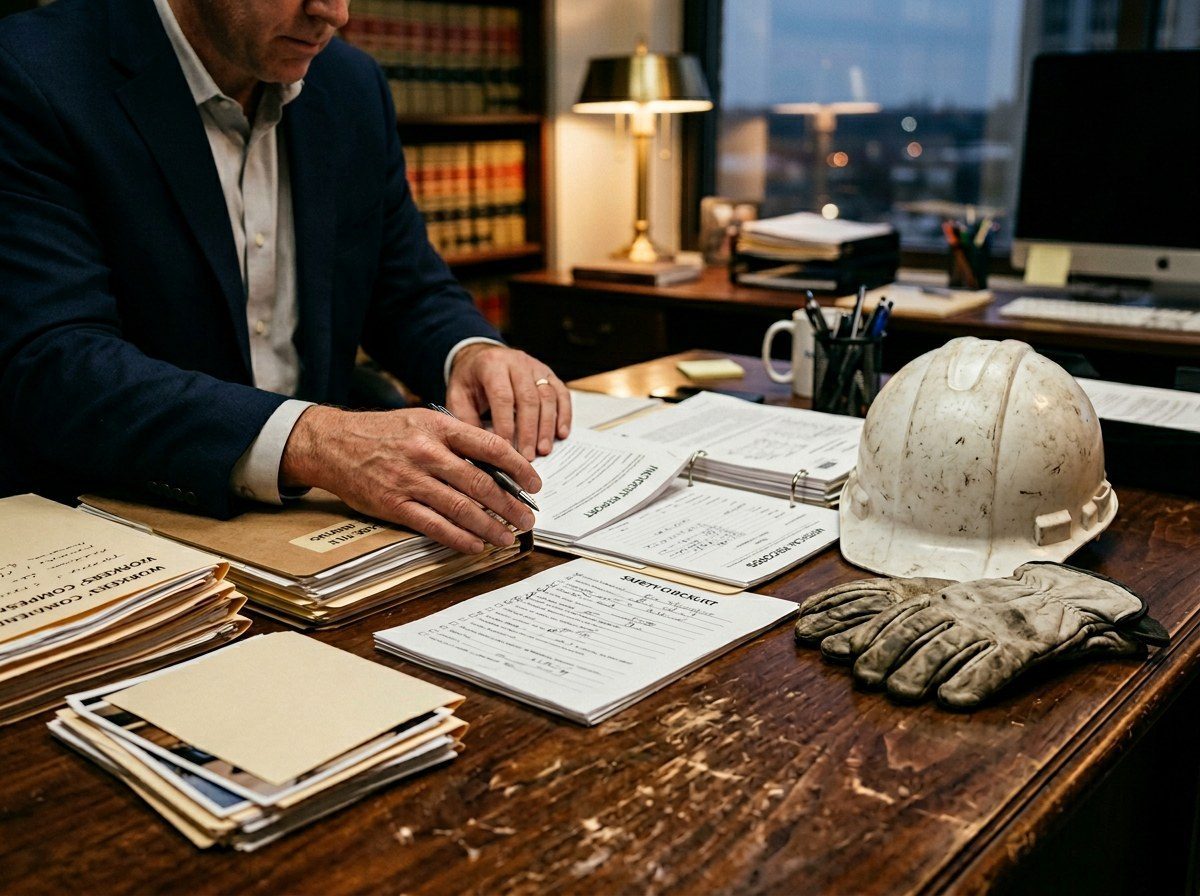
Law firm reviewing alcohol-related workplace injury options

What We May Review

When we review a workplace alcohol injury matter, we may look at where the incident happened, whether the event was work-related, who organized or supervised the event, who supplied or served alcohol, and whether a licensed alcohol server or private host was involved.

We may also review whether anyone was visibly intoxicated, whether a minor was served alcohol, whether a vehicle, fall, assault, unsafe property condition, or equipment issue caused the injury, whether workers' compensation has been opened, and whether a third-party claim may exist.

Clear Next Steps

We can help identify possible responsible parties, preserve important evidence, communicate with insurers, review claim documents, and explain what steps may come next.

No attorney can promise a result. But you should be able to ask direct questions and get clear guidance before making decisions.

A Helpful First Message Usually Includes

  • Your name and contact information
  • Where the incident happened
  • When it happened
  • Whether it was connected to work, a company event, a job site, a work trip, or an after-work gathering
  • Who was injured
  • Who appeared intoxicated
  • Who served, supplied, or allowed alcohol
  • Whether police, EMS, an employer, or an insurance company was involved
  • Whether a vehicle, fall, assault, unsafe property condition, or equipment issue was involved
  • What medical treatment you received
  • Whether you are missing work
  • Any reports, photos, videos, texts, receipts, claim numbers, or witness names you have

After you reach out, the firm may review the basic information, ask follow-up questions, and explain whether more information is needed.

A first call, email, voicemail, or form submission does not create an attorney-client relationship. Representation begins only if the firm agrees to represent you and the relationship is confirmed through the proper written agreement.
Questions about workplace alcohol incident claims

Not always. If the injury happened during work or at a work-connected event, workers' compensation may be involved. But a separate third-party claim may also need review if a driver, alcohol server, venue, property owner, contractor, private host, security company, or other non-employer party contributed to the injury.

Possibly. Depending on the facts, a licensed alcohol server, private host, employer, venue, property owner, transportation provider, security company, driver, or contractor may need to be reviewed. Alcohol-related liability is fact-specific and should not be assumed automatically.

Dram shop liability generally refers to claims involving a licensed alcohol server, such as a bar, restaurant, club, or venue, that allegedly served alcohol in a way that violated New Jersey law and contributed to an injury. These claims require careful proof about service, intoxication, foreseeability, causation, and damages.

Social host liability generally involves a private host who provided alcohol under circumstances recognized by New Jersey law. These cases are limited and fact-specific. The details of who was served, whether the person was visibly intoxicated, and how the injury happened can all matter.

A company party or work-connected event may raise questions about who organized the event, who paid for alcohol, who supervised the gathering, whether attendance was expected, whether transportation was arranged, and whether a third party such as a bar, restaurant, venue, or security company was involved.

A criminal case and a civil injury claim are separate. A criminal case is handled by the government. A civil injury claim focuses on compensation, insurance, evidence, and legally responsible parties. A civil claim may still be possible even if no criminal charge is filed or the criminal case is still pending.

Different deadlines may apply to workers' compensation, third-party injury claims, dram shop issues, social host issues, and public-entity matters. If a public entity, public employee, public vehicle, public property, school district, municipality, county, or State agency may be involved, a notice requirement may apply much earlier, sometimes within 90 days of accrual. It is better to ask early than to wait until treatment is finished.

Do not assume you have no options. Alcohol use can raise fact-specific issues in workers' compensation, insurance, third-party liability, comparative fault, and evidence review. The important question is what happened, who contributed to the danger, what evidence exists, and which legal rules apply.

Receipts, video, social media, witness memories, event records, transportation records, and alcohol-service records can disappear quickly. Early preservation can help show where alcohol came from, who was involved, and how the injury happened.

There is no charge to request a free case review. If the firm agrees to represent you, fee terms, costs, expenses, and the scope of representation should be explained in a written agreement. Any contingency-fee arrangement is controlled by the written agreement.

Talk to a New Jersey Alcohol-Related Workplace Injury Lawyer

If you were injured after alcohol was involved at work, at a job site, during a company event, or after a work-connected gathering, do not assume the intoxicated person is the only party worth reviewing.

Tell us what happened, where it happened, who was involved, how alcohol was connected to the incident, and what medical or work problems you are facing now. We can review the basic facts and help identify what may need attention.

Disclaimer

The information on this page is general information about workplace alcohol incident injury matters in New Jersey. It is not legal advice and should not be treated as advice for any specific person, injury, claim, deadline, employer, insurer, alcohol server, host, or legal problem.

Reading this page, calling the firm, emailing an attorney, submitting a website form, or requesting a free case review does not create an attorney-client relationship by itself. Representation begins only if the firm agrees to represent you and the relationship is confirmed through the proper written agreement.

No attorney can guarantee a result. Every workplace alcohol incident matter depends on its own facts, evidence, injuries, employment relationship, insurance issues, deadlines, damages, alcohol-service issues, and applicable law.

Free Review Call Now