Crosswalks are explicitly designed to be safe havens. They are the designated zones where the law demands that multi-ton vehicles yield to vulnerable human beings.

Crosswalks are explicitly designed to be safe havens. They are the designated zones where the law demands that multi-ton vehicles yield to vulnerable human beings.
New Jersey Crosswalk Accident Lawyers
Practice Area
A Crosswalk is a Sanctuary. When Drivers Violate It, We Take Action.
- No Fee Unless We Win
- Free Case Review
- Trial-Ready Attorneys
- New Jersey Focused

Crosswalks are explicitly designed to be safe havens. They are the designated zones where the law demands that multi-ton vehicles yield to vulnerable human beings. Yet, every single day in New Jersey, drivers speed through intersections, blow through red lights, and make aggressive turns without looking, violently striking pedestrians who had the legal right of way.
When a driver hits you in a crosswalk, it is not just an accident; it is a direct violation of New Jersey traffic law. However, proving that you had the right of way and securing the compensation you need for your catastrophic injuries requires more than just your word against the driver's. Insurance companies will fight aggressively to minimize their liability, even when their policyholder is clearly at fault.
At Pinnacle Injury Law, we specialize in holding negligent drivers—and the massive insurance corporations backing them—fully accountable for crosswalk collisions. We possess the deep statutory knowledge and trial experience required to build an impenetrable case on your behalf.
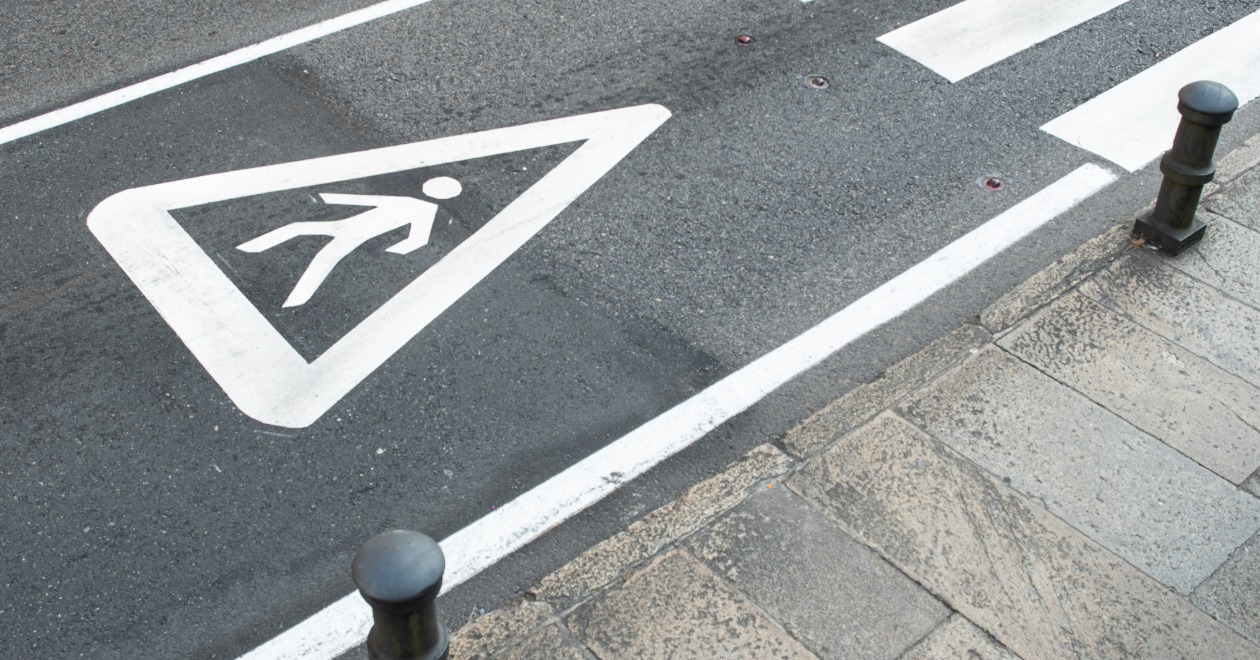
New Jersey has some of the strictest crosswalk laws in the country, designed specifically to protect pedestrians. The cornerstone of this protection is N.J.S.A. 39:4-36, frequently referred to as the "Stop and Stay Stopped" law.
Under this statute, the obligations of a driver are absolute:
Marked Crosswalks
A driver must completely stop and remain stopped to allow a pedestrian to cross the roadway within a marked crosswalk.
Unmarked Crosswalks
At intersections without painted lines (unmarked crosswalks), drivers are still legally required to yield the right-of-way to a pedestrian crossing the street.
No Passing
If one vehicle is stopped at a crosswalk to let a pedestrian cross, it is strictly illegal for any vehicle approaching from the rear to overtake and pass the stopped car. This specifically prevents deadly "multi-lane threat" collisions.
Most importantly for your personal injury claim, this statute establishes a permissive inference of negligence. This means that if a driver strikes you while you are in a marked crosswalk (or an unmarked crosswalk at an intersection), the law essentially presumes the driver failed to exercise due care. Pinnacle Injury Law leverages this powerful legal presumption to box in the insurance company and strip away their standard defenses.
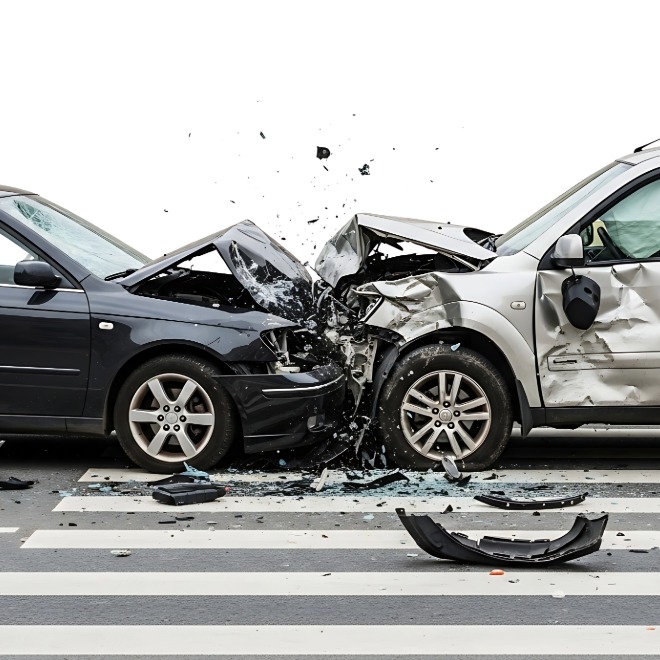
Despite the clarity of the law, drivers routinely cause devastating crosswalk accidents due to impatience and distraction. Our attorneys investigate the precise mechanics of your crash, frequently uncovering negligence such as:
The "Right on Red" Failure
A driver focuses entirely on oncoming traffic to their left so they can make a quick right turn on red, completely ignoring the pedestrian stepping into the crosswalk directly in front of them.
Left-Turn Blindness
A driver receives a green light and immediately accelerates into a left turn, failing to realize that the pedestrian crossing the intersecting street also has a "Walk" signal and the right of way.
The Overtake Maneuver
A cautious driver stops to let a pedestrian cross, but an impatient, speeding driver behind them aggressively swerves around the stopped car, striking the pedestrian at high speed.
Distracted Driving
Drivers looking down at their phones, adjusting their GPS, or texting, causing them to completely blow through a marked, mid-block crosswalk.

Even when a pedestrian is struck squarely inside a brightly painted crosswalk, the driver’s insurance company will rarely admit fault immediately. They will deploy specialized adjusters to look for ways to blame you.
They will cite the portion of the statute that states a pedestrian cannot "suddenly leave a curb... and walk or run into the path of a vehicle which is so close that it is impossible for the driver to yield." They will argue that you darted out unpredictably, attempting to use New Jersey’s comparative negligence laws to reduce your payout or deny your claim entirely.
Pinnacle Injury Law anticipates and destroys these defenses. We move aggressively in the days following your accident to secure intersection traffic camera footage, nearby commercial surveillance video, and dashcam recordings. We interview eyewitnesses while their memories are fresh to definitively prove that you established yourself in the crosswalk legally and visibly, and that the driver simply failed to pay attention.

In some crosswalk accidents, the driver is not the only at-fault party. Sometimes, the intersection itself is inherently dangerous. If your accident was caused by a malfunctioning "Walk/Don't Walk" signal, completely faded crosswalk paint, obscured stop signs, or a lack of proper street lighting, the city, county, or state may share liability for your injuries.
Suing a government entity in New Jersey is governed by the New Jersey Tort Claims Act (Title 59). This law is notoriously unforgiving. If you intend to pursue a claim against a municipality for a dangerous intersection, you must file a formal Notice of Claim within 90 days of the accident. Missing this deadline will permanently bar you from holding the government accountable. Pinnacle Injury Law has extensive experience navigating Title 59 claims and ensures all strict statutory deadlines are met.

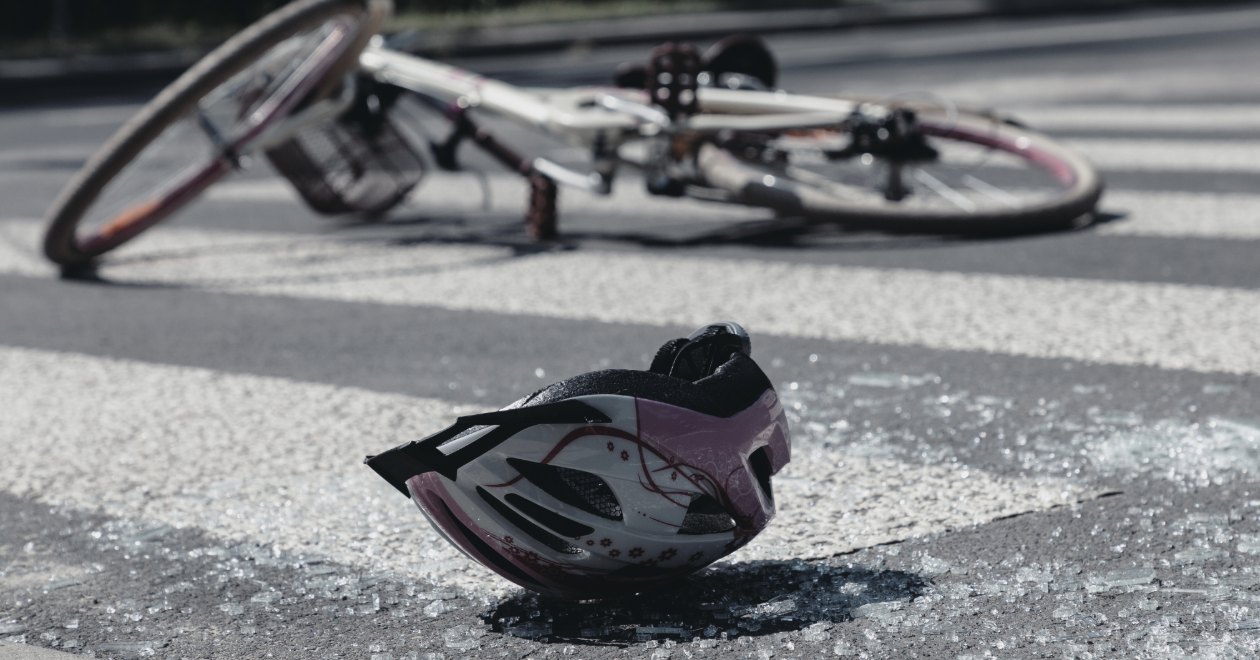
Because crosswalk accidents frequently occur at intersections where drivers are accelerating, the impacts are violent and the resulting injuries are catastrophic. Victims often suffer traumatic brain injuries, spinal cord damage, shattered pelvises, and complex joint fractures that require multiple surgeries.
Do not allow an insurance adjuster to pressure you into a fast, inadequate settlement. The attorneys at Pinnacle Injury Law work with elite medical specialists, life-care planners, and economists to accurately project the full, lifelong cost of your injuries. We demand maximum compensation for your hospital bills, future surgical needs, lost earning capacity, and profound pain and suffering.
Contact Pinnacle Injury Law immediately following a crosswalk accident. We offer free, completely confidential consultations and operate on a strict contingency fee basis—you pay no upfront costs, and we collect no legal fees unless we win your case.
A Crosswalk is a Sanctuary. When Drivers Violate It, We Take Action.
If you are dealing with the aftermath described on this page, Pinnacle Injury Law can review what happened, what evidence may matter, and what next steps may be available.