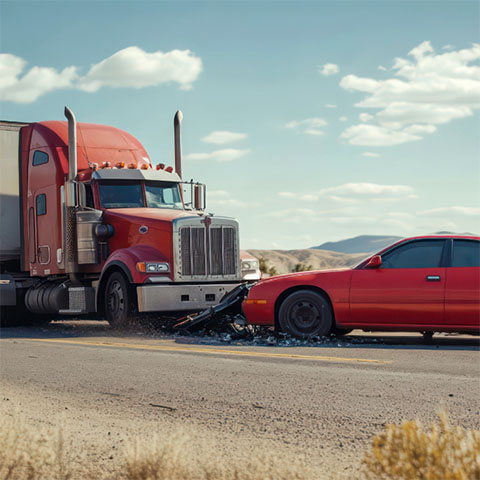
New Jersey is a densely populated state with a massive local economy, meaning our local roads, state highways, and residential neighborhoods are constantly shared with commercial vehicles.
New Jersey is a densely populated state with a massive local economy, meaning our local roads, state highways, and residential neighborhoods are constantly shared with commercial vehicles.
New Jersey Commercial Vehicle Accident Lawyers
Practice Area
Holding Corporations Accountable When Their Vehicles Cause Harm
- No Fee Unless We Win
- Free Case Review
- Trial-Ready Attorneys
- New Jersey Focused
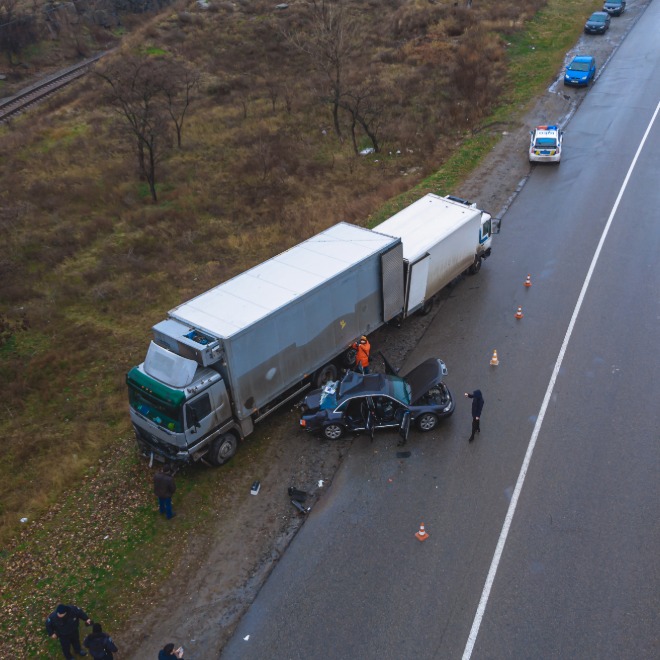
New Jersey is a densely populated state with a massive local economy, meaning our local roads, state highways, and residential neighborhoods are constantly shared with commercial vehicles. From fleets of "last-mile" delivery vans dropping off packages to heavy construction vehicles and utility trucks, these vehicles are the lifeblood of commerce. However, when corporate profits are prioritized over public safety, the results are devastating.
If you or a loved one has been injured by a commercial vehicle, you are no longer dealing with a standard car accident. You are dealing with corporate liability, complex insurance policies, and aggressive defense teams whose sole job is to protect the company's bottom line. At Pinnacle Injury Law, we have the resources, the localized New Jersey expertise, and the trial-tested tenacity to hold negligent corporations fully accountable for the damage they cause.
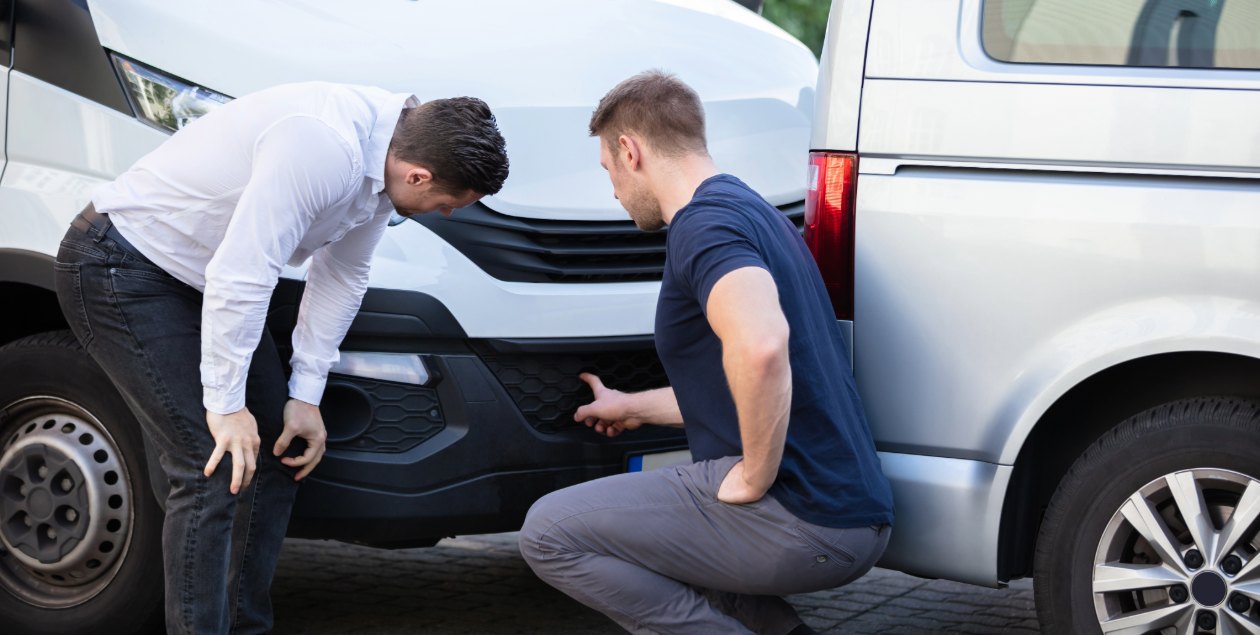
A commercial vehicle is broadly defined as any vehicle used for business purposes. These cases are distinct from standard auto accidents because the driver is operating the vehicle within the scope of their employment, which legally links their actions to the company that hired them. At Pinnacle Injury Law, we handle accidents involving:
Delivery Vans & Trucks
Amazon, FedEx, UPS, and local courier fleets.
Box Trucks & Moving Trucks
Including commercial rental trucks where the driver may lack proper training.
Utility & Maintenance Vehicles
Plumbers, electricians, landscapers, and cable repair fleets.
Passenger Vehicles & Shuttles
Hotel shuttles, private buses, and corporate fleet cars.
Construction Vehicles
Cement mixers, dump trucks, and heavy machinery operating on or near roadways.
Municipal & Government Vehicles
Garbage trucks, NJ Transit buses, postal vehicles, and snowplows.
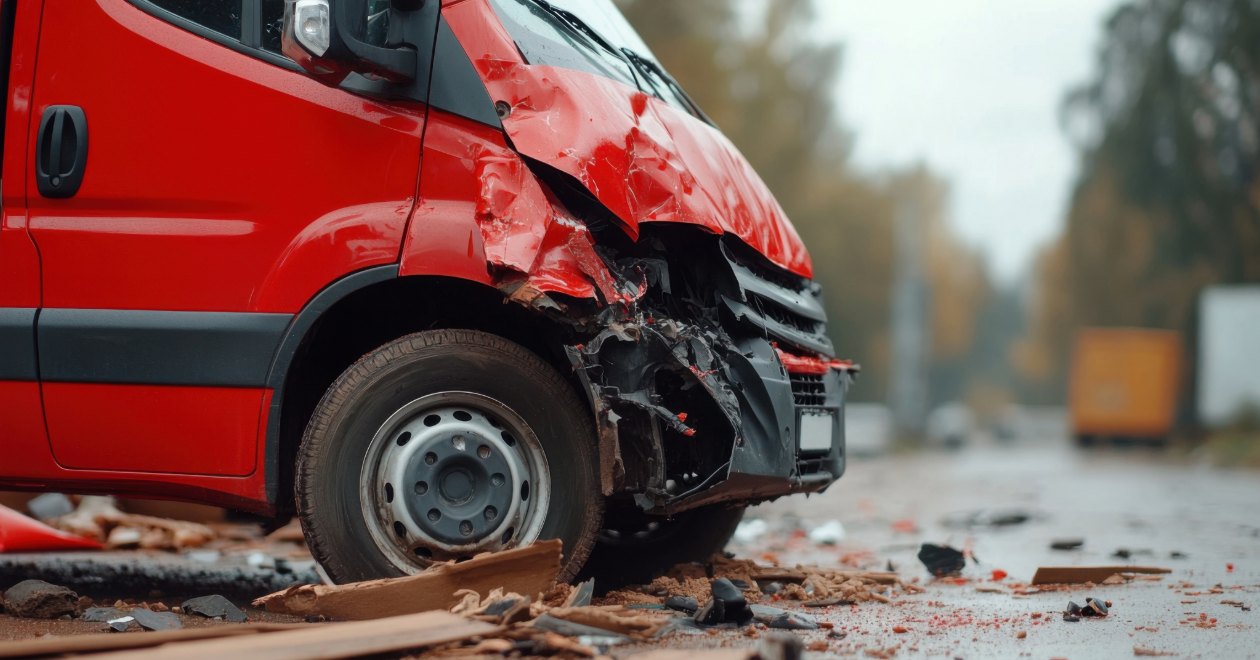
In recent years, New Jersey has seen a massive influx of "last-mile" delivery vehicles navigating narrow residential streets and busy suburban intersections. Drivers for massive e-commerce retailers are frequently subjected to grueling schedules, unrealistic delivery quotas, and high-pressure tracking systems.
This corporate pressure creates a dangerous environment where safety protocols are ignored. Delivery drivers often speed through residential neighborhoods, make illegal U-turns, block lanes of traffic, and drive while intensely distracted by routing tablets and dispatch communications. When a company forces a driver to choose between safety and their job, the company must be held responsible for the inevitable crashes that follow.
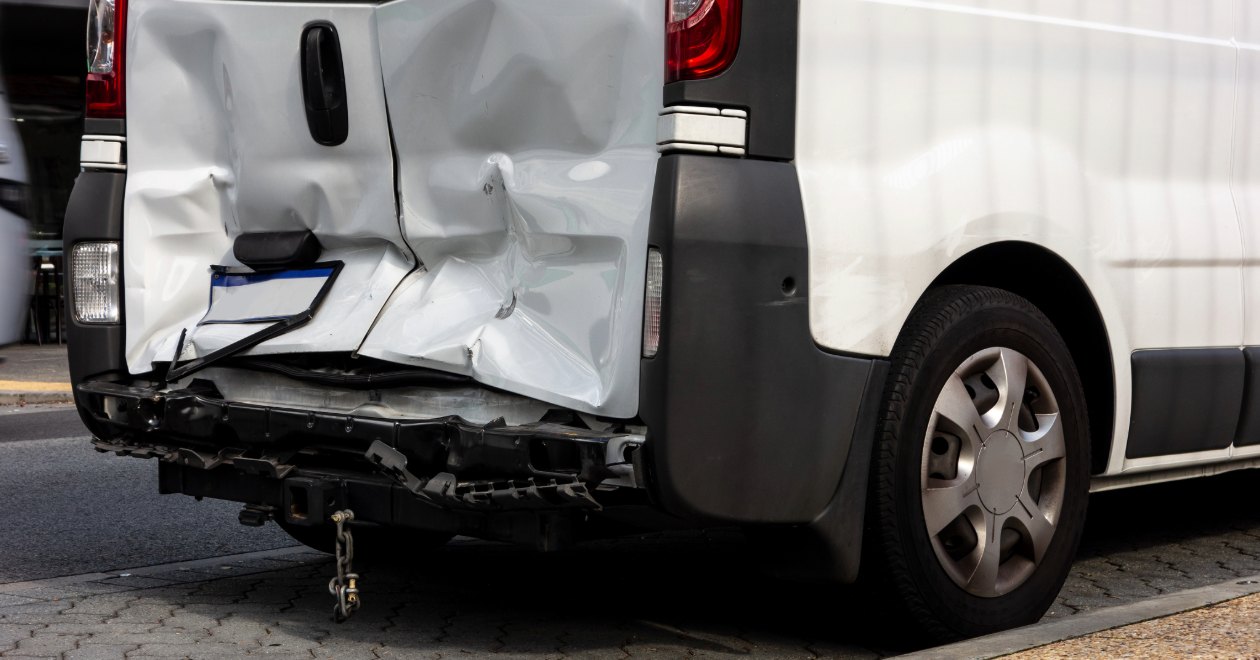
One of the most critical elements of a commercial vehicle accident claim is the legal concept of respondeat superior, which translates to "let the master answer." Under New Jersey law, an employer can be held vicariously liable for the negligence of their employees, provided the employee was acting within the scope of their employment at the time of the crash.
However, corporate defense lawyers will frequently attempt to dodge liability. They may argue that the driver was on a "frolic and detour" (running a personal errand during work hours) or that the driver was classified as an "independent contractor" rather than an employee. The attorneys at Pinnacle Injury Law know how to dismantle these corporate defenses. We meticulously review employment contracts, dispatch logs, and corporate communications to prove that the company exercised control over the driver and is therefore financially responsible for your injuries.
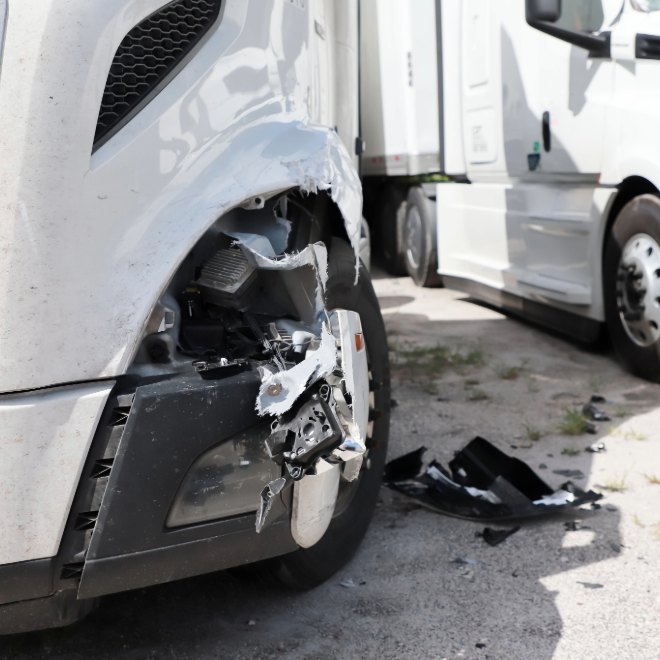
In addition to vicarious liability, a company can be sued for its own direct negligence. We investigate every commercial vehicle crash to uncover systemic corporate failures, including:
Negligent Hiring
Did the company hire a driver with a history of DUIs, suspended licenses, or a pattern of reckless driving?
Inadequate Training
Was the driver properly trained to handle a heavy box truck or operate specialized equipment before being handed the keys?
Negligent Maintenance
Commercial vehicles endure heavy wear and tear. Did the company fail to perform routine brake inspections, tire replacements, or steering column repairs to save money?
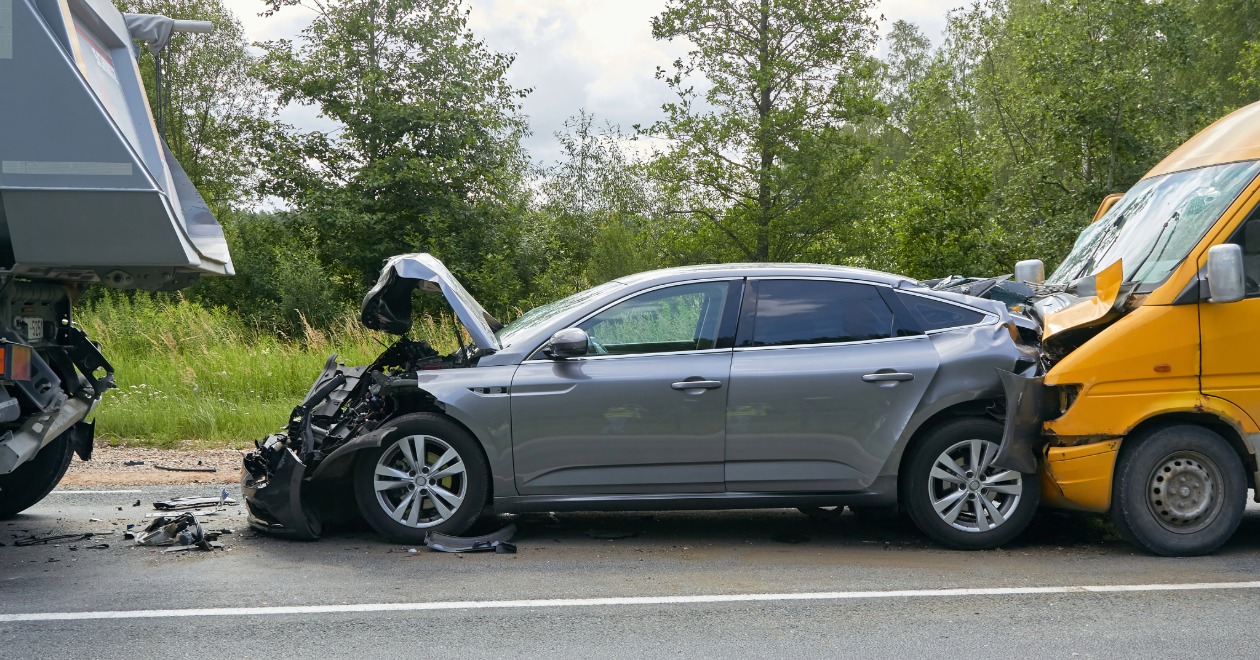
If your accident involved a state, county, or local government vehicle—such as a city garbage truck, a municipal snowplow, or an NJ Transit bus—the legal landscape shifts drastically.
Under the New Jersey Tort Claims Act (Title 59), suing a public entity is exceptionally difficult and strictly time-sensitive. You must file a formal Notice of Claim within just 90 days of the accident. If you miss this narrow window, you may be permanently barred from recovering any compensation, regardless of how severe your injuries are. Furthermore, Title 59 requires victims to meet a strict threshold of injury severity to recover damages for pain and suffering. If a government vehicle is involved, you must contact Pinnacle Injury Law immediately so we can preserve your rights.
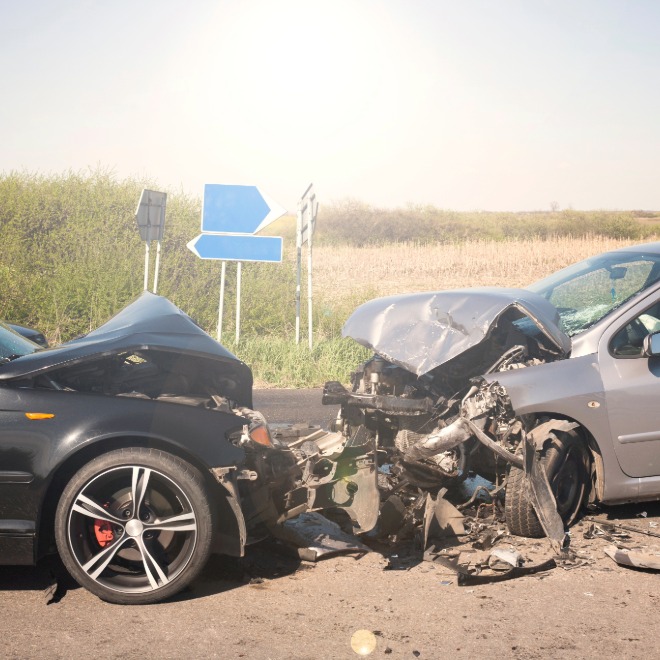
Commercial vehicles are heavily insured, often carrying policies worth well over a million dollars. Because the stakes are so high, commercial insurers deploy rapid-response teams to accident scenes to gather evidence favorable to their side. They will pressure you to give recorded statements or accept a lowball settlement before you understand the full extent of your injuries.
Pinnacle Injury Law protects you from these predatory tactics. We take over all communications with the insurance carriers and build your case to recover the absolute maximum compensation for:
- Past and future medical expenses, including surgeries, physical therapy, and specialized care.
- Lost wages and diminished future earning capacity if you cannot return to your previous line of work.
- Physical pain, emotional trauma, and loss of enjoyment of life.
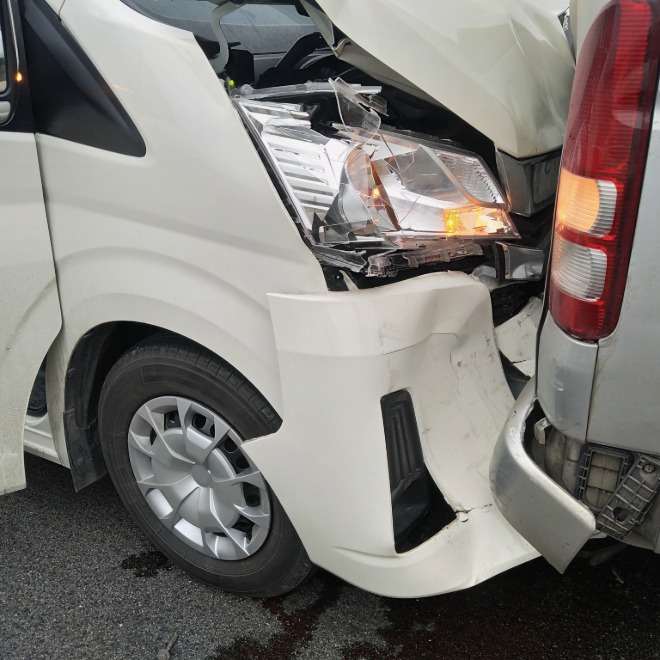
The aftermath of a commercial vehicle crash is chaotic and overwhelming, but you do not have to navigate the legal system alone. The sooner you involve Pinnacle Injury Law, the sooner we can secure critical evidence, identify all liable parties, and begin aggressively pursuing the justice you deserve.
Contact Pinnacle Injury Law today to schedule a free, fully confidential consultation. We operate on a contingency fee basis—meaning we do not collect a single legal fee unless we successfully secure a settlement or jury verdict on your behalf.
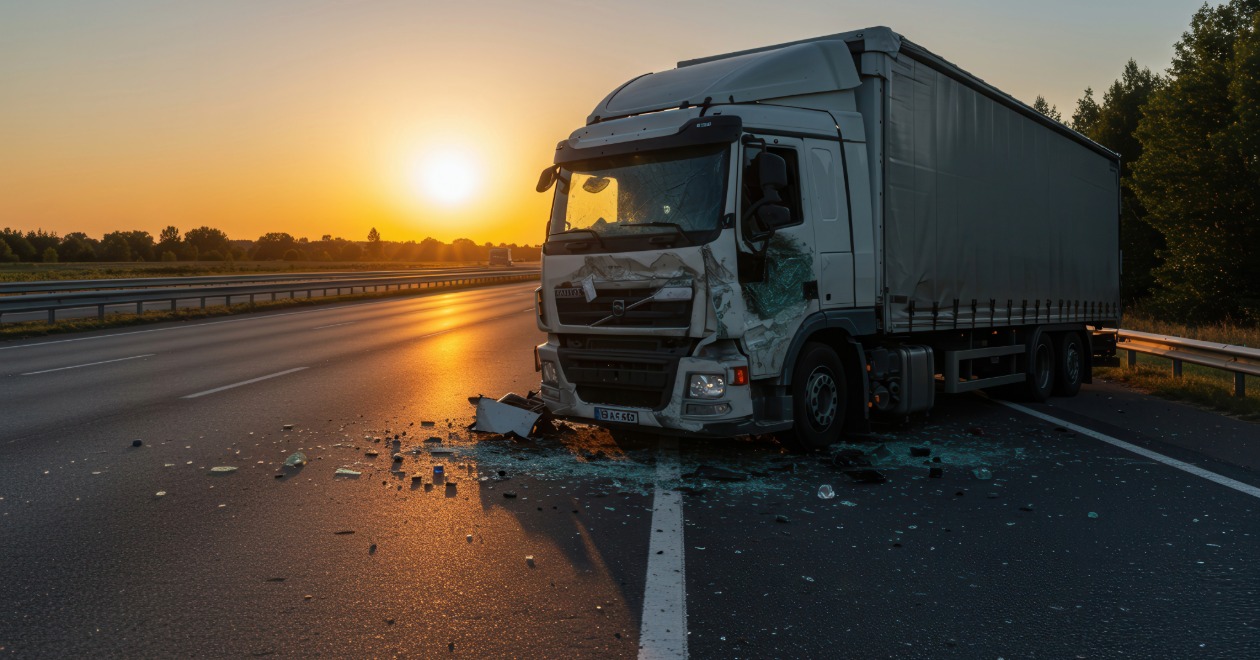
Holding Corporations Accountable When Their Vehicles Cause Harm
If you are dealing with the aftermath described on this page, Pinnacle Injury Law can review what happened, what evidence may matter, and what next steps may be available.