

Practice Area
Bouncer Assault and Bar/Club Injury Lawyer in New Jersey
Bouncers are hired to help keep bars, clubs, lounges, restaurants, concerts, and events safe. But when a bouncer uses excessive force, unsafe restraint, unnecessary physical contact, or poor crowd-control tactics, a normal night out can turn into a serious injury claim.
If you were injured by a bouncer in New Jersey, Pinnacle Injury Law can review the civil side of what happened. We review the force used, the reason given, the video, witness accounts, bar or venue records, security company involvement, alcohol issues, medical records, insurance coverage, and deadlines that may affect your claim.
Not every physical encounter with a bouncer creates a civil claim. But force that is unreasonable, unnecessary, retaliatory, poorly supervised, or used after a person is controlled or no longer a threat should be reviewed carefully.
- Bar, nightclub, venue, and bouncer conduct review
- Video, incident reports, witnesses, and medical records
- Negligent security, alcohol, and insurance issues
- Deadline and evidence-preservation review
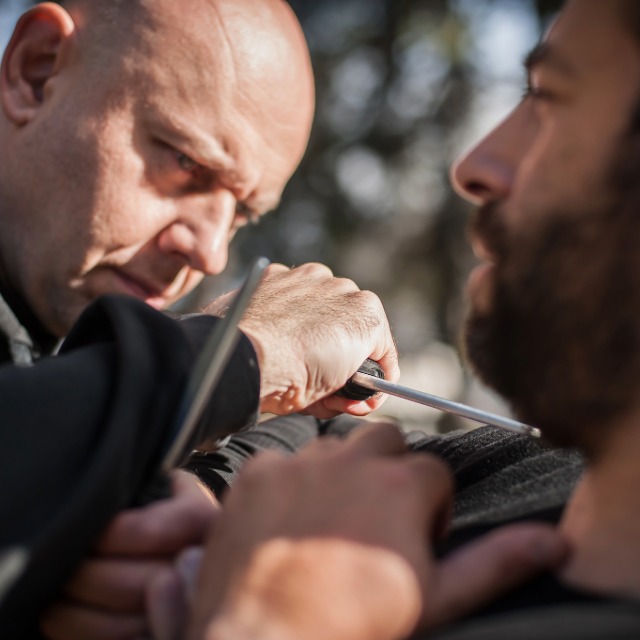
A bouncer assault claim may involve civil assault, battery, negligence, negligent security, negligent hiring, negligent training, negligent supervision, premises liability, alcohol-related issues, or excessive force depending on the facts.
The review may focus on whether the bouncer had a valid reason to use force, whether the amount of force was reasonable, whether the person was removed safely, whether the venue or security company created or allowed the danger, and whether staff handled the situation properly.
These cases often depend on surveillance video, cell phone video, witness statements, incident reports, security records, bar or event records, medical records, and the timeline of what happened before, during, and after the force was used.

Bouncer assault and excessive-force claims may arise at:
- Bars and lounges
- Nightclubs
- Restaurants
- Concerts and music venues
- Casinos and entertainment venues
- Sports bars
- Private events
- Banquet halls
- Festivals and promoted events
- Hotels or event spaces
- College-area bars or student events
- Parking lots, entrances, exits, or sidewalks connected to the venue
The location matters because it can affect who controlled the property, who hired the bouncer, what security rules applied, what video may exist, and what insurance may be available.

Bouncer injury claims may involve:
- Punching, kicking, tackling, or slamming someone
- Unsafe takedown or restraint
- Chokeholds, neck pressure, or dangerous holds
- Force used after a person was already controlled
- Rough removal from a bar, club, or event
- Excessive force during crowd control
- Force used after a verbal disagreement
- Retaliatory force after a complaint or question
- Failure to call police or medical help when needed
- Improper detention or preventing someone from leaving
- Assault by multiple bouncers or staff members
- Failure by other staff to intervene
- Injuries caused by poor training, poor supervision, or unsafe security policies
Not every use of force creates a claim. The question is whether the force was unreasonable, caused harm, and can be proven with evidence.

A bouncer assault claim may involve more than the individual bouncer. Depending on the facts, possible parties to review may include:
- The bouncer who used force
- Other bouncers, guards, or staff members who participated or failed to intervene
- The bar, nightclub, restaurant, lounge, venue, or event operator
- The security company that employed or assigned the bouncer
- A property owner, landlord, or management company
- An event organizer, promoter, or host
- A contractor or staffing company
- A licensed alcohol server if alcohol service contributed to the incident
- Insurance policies that may provide coverage
The review may include who hired the bouncer, who controlled the setting, what rules applied, what the bouncer was trained to do, whether prior complaints existed, and whether the business failed to act reasonably.
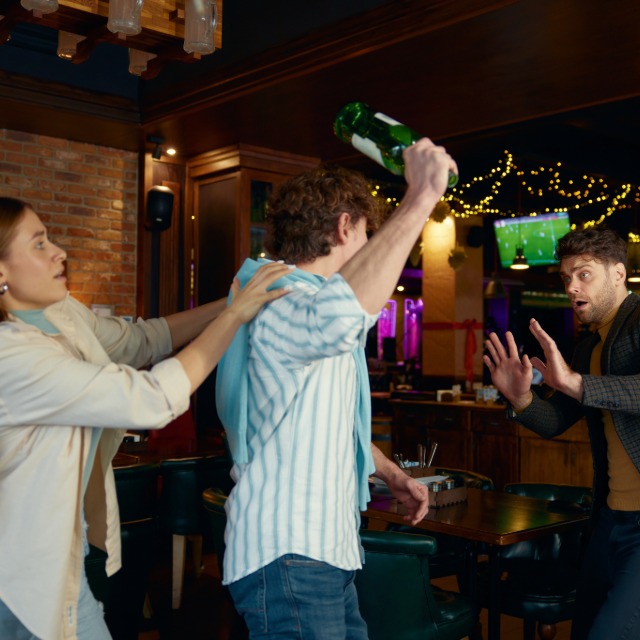
Many bouncer assault claims happen in settings where alcohol, crowds, music, dim lighting, or closing-time pressure can affect what happened.
Bouncer cases often turn on nightlife-specific evidence, including entry records, wristbands, bar tabs, closing-time crowd control, security staffing, and video from inside and outside the venue.
Alcohol being present does not automatically make a venue responsible. But the review may include whether alcohol service contributed to the incident, whether the venue had enough trained security, whether crowd control was handled safely, whether staff escalated the situation, and whether the venue ignored warning signs.
If the incident involved a bar, club, restaurant, lounge, or event venue, dram shop, negligent security, premises liability, and security-company issues may all need review.

A bouncer assault may also involve a police report, criminal complaint, municipal court matter, or internal venue investigation. Those processes are separate from a civil injury claim.
A criminal case focuses on whether someone violated criminal law. A civil claim focuses on injury compensation, civil accountability, responsible parties, insurance coverage, evidence, and damages.
A civil claim may still need review even if no criminal charge was filed, the bouncer was not arrested, the venue denied responsibility, or the incident report tells only one side of the story.

Bouncer assault cases often depend on evidence controlled by the business, venue, or security company. Surveillance video may be overwritten. Staff may leave. Incident reports may be incomplete. Witnesses may be hard to locate after the night of the incident.
Important evidence can include:
- Surveillance video from inside and outside the venue
- Cell phone video
- Police reports and incident reports
- 911 calls or dispatch records
- Witness names and contact information
- Security company contracts and staffing records
- Bouncer licenses, training records, and assignment records where available
- Prior complaints or prior incident history where available
- Bar, restaurant, nightclub, event, or venue records
- Access logs, wristbands, tickets, receipts, or entry records
- Bar tabs, alcohol service records, or credit-card records where relevant
- Medical records and photographs of injuries
- Communications with the venue, security company, or insurer
Early review can help identify what should be preserved before it is lost.

Bouncer assault and excessive-force claims may involve:
- Head injuries or concussions
- Neck, back, or spinal injuries
- Broken bones
- Shoulder, wrist, knee, or ankle injuries
- Facial injuries
- Cuts, bruising, burns, or scarring
- Nerve injuries
- Breathing or restraint-related injuries
- Emotional distress, anxiety, or trauma
- Injuries requiring surgery, therapy, or rehabilitation
- Wrongful death and estate-related damages where a life was lost
Medical documentation can be important even when the injury seems obvious.

Many bouncer assault claims involve insurance coverage. Depending on the facts, coverage may involve the bar or nightclub's insurance, the security company's insurance, the property owner's insurance, an event policy, liquor liability coverage, premises liability coverage, or other liability coverage.
Insurance companies may argue that the bouncer acted independently, that the force was justified, that the injured person caused the incident, or that the business did not control the security staff. A careful review can help identify which parties and policies may be involved.

Do not wait to have a bouncer assault claim reviewed. In many New Jersey personal injury cases, the general filing deadline is two years from the date of injury. However, the correct deadline can depend on the facts.
If the incident involved a public venue, municipal property, public event, public employee, police response that becomes part of the claim, or another public entity, special notice rules may apply. Public-entity claims may require formal notice much earlier, sometimes within 90 days of accrual.
Because video and records can disappear quickly, early review is important.

The losses in a bouncer assault claim may include:
- Emergency care and medical bills
- Surgery, therapy, or rehabilitation
- Future medical treatment
- Lost wages
- Reduced earning ability
- Pain and suffering
- Emotional distress
- Permanent injury, disability, or scarring
- Out-of-pocket expenses
- Loss of normal daily activities
- Wrongful death and estate-related damages where a life was lost
The value of any claim depends on the facts, evidence, injuries, responsible parties, insurance coverage, defenses, deadlines, and New Jersey law. No result can be promised.

If you were injured by a bouncer at a bar, nightclub, restaurant, lounge, concert, private event, or entertainment venue, you should not have to guess whether the force was lawful or whether insurance may apply.
Pinnacle Injury Law can review what happened, what force was used, who controlled the property, who hired or supervised security, what evidence should be preserved, what insurance may apply, and what deadlines may affect your claim.
Call (201) 265-4500 or request your free case review online. There is no attorney fee unless compensation is recovered for you.
Related Injury Topics
Helpful Firm Pages

Possibly. A civil claim may be available if a bouncer used unreasonable force, unsafe restraint, unnecessary physical contact, or otherwise caused injury. The facts, evidence, injuries, responsible parties, and insurance coverage must be reviewed.
Yes. A criminal case is handled by the government and focuses on whether a crime occurred. A civil claim focuses on compensation for the injured person, responsible parties, insurance coverage, and damages.
Possibly. A bar, nightclub, restaurant, venue, event operator, or security company may need to be reviewed if negligent hiring, poor training, poor supervision, unsafe crowd control, ignored complaints, or lack of control contributed to the injury.
That is a common defense. The review may focus on what actually happened, what video shows, what witnesses saw, whether force was necessary, whether the amount of force was reasonable, and whether force continued after the situation was controlled.
Preserve photos, videos, witness names, medical records, incident reports, police reports, receipts, tickets, wristbands, messages, and any communications with the venue, bar, security company, property owner, or insurer.
Alcohol may affect the review, but it does not decide the case by itself. The facts may involve alcohol service, crowd control, security decisions, guest conduct, venue policies, and whether the force used was reasonable.
Many New Jersey personal injury claims have a general two-year filing deadline, but deadlines can vary. If a public entity is involved, formal notice may be required much earlier, sometimes within 90 days of accrual.
The case review is free. There is no attorney fee unless compensation is recovered for you.
Talk With a New Jersey Bouncer Assault and Bar/Club Injury Lawyer
If you were injured by a bouncer at a bar, nightclub, restaurant, lounge, concert, private event, or entertainment venue, you should not have to guess whether the force was lawful or whether insurance may apply.
Disclaimer
This page is for general information only and is not legal advice. Reading this page or contacting Pinnacle Injury Law does not create an attorney-client relationship. An attorney-client relationship is formed only if the firm agrees to represent you in writing. Every bouncer assault, excessive force, negligent security, premises liability, dram shop, insurance, or public-entity claim depends on its own facts, available evidence, injuries, deadlines, defenses, insurance coverage, and applicable New Jersey law. No result is guaranteed.