Practice Area
Drowning and Near-Drowning Lawyer in New Jersey
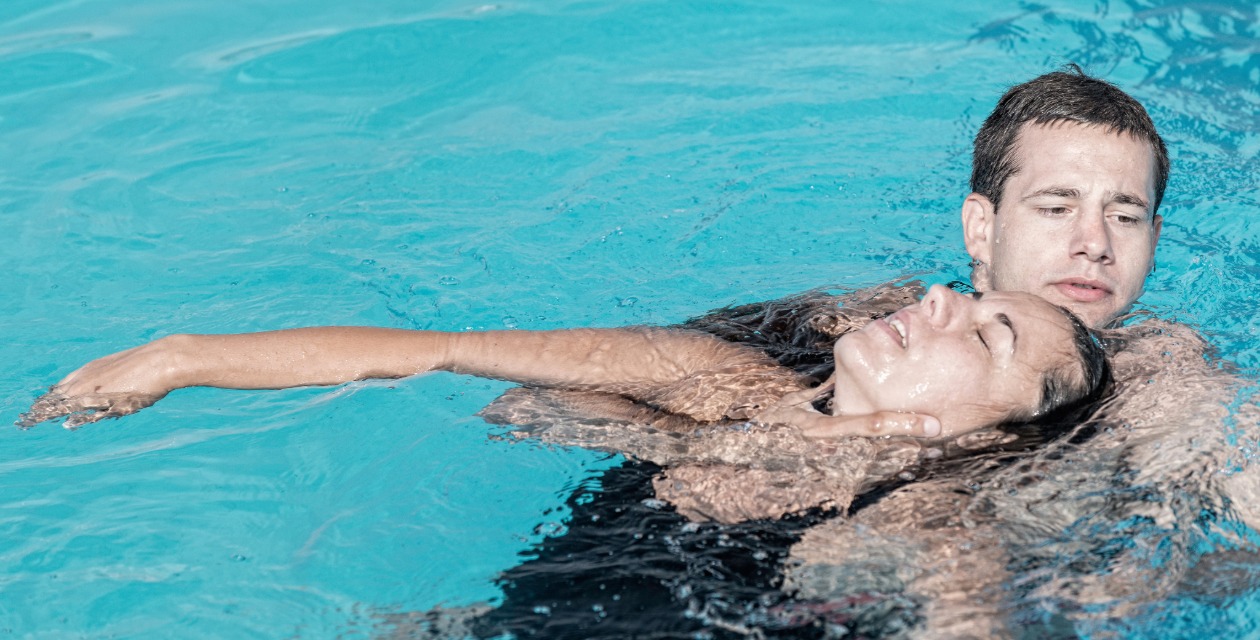
A drowning or near-drowning incident can change a family's life in seconds. These cases may involve a private pool, apartment pool, hotel pool, beach, lake, marina, camp, school, daycare, gym, public facility, or backyard gathering.
If you or someone in your family was harmed in a drowning or near-drowning incident in New Jersey, Pinnacle Injury Law can review what happened, including the location, supervision, barriers, warnings, lifeguard response, maintenance records, emergency response, witness information, insurance coverage, and deadlines that may affect your claim.
Not every water-related injury creates a legal claim. But when a drowning or near-drowning is connected to unsafe property conditions, poor supervision, missing barriers, inadequate warnings, lifeguard failures, unsafe equipment, alcohol-related conduct, or another preventable danger, the situation should be reviewed carefully.
- Pool, water, supervision, and premises review
- Public entity, private property, and insurance issues
- Near-drowning injury and wrongful-death claim review
- Evidence, records, and deadline review

Drowning cases are often emotionally devastating and fact-specific. The legal review may focus on who controlled the property, who supervised the person in the water, what safety rules applied, what warning signs existed, whether barriers or gates were required, whether emergency help was delayed, and whether the incident could have been prevented.
Near-drowning cases can also be severe. Even when a person survives, the lack of oxygen can cause brain injury, lung injury, neurological harm, long-term disability, or ongoing medical needs.
A careful review can help determine whether the claim involves premises liability, negligent supervision, negligent lifeguarding, unsafe pool maintenance, defective equipment, childcare negligence, school or camp responsibility, boating or marina issues, social host concerns, or wrongful death.
Fatal drowning claims may also require review of wrongful death, estate-related damages, emergency response, and available insurance.

Drowning and near-drowning claims may involve:
- Private backyard pools
- Apartment, condominium, or community pools
- Hotel, motel, resort, or casino pools
- Public pools and municipal facilities
- Beaches, lakes, rivers, ponds, and reservoirs
- Marinas, docks, boats, and waterfront properties
- Daycare, school, camp, or youth program settings
- Gyms, swim clubs, recreational centers, or sports facilities
- Water parks or amusement settings
- Party, social gathering, or alcohol-related settings
- Construction sites or unsecured water hazards
The location matters because it can affect who controlled the area, what safety rules applied, what insurance may exist, and whether public-entity notice rules may apply.
Drowning and near-drowning claims may involve:
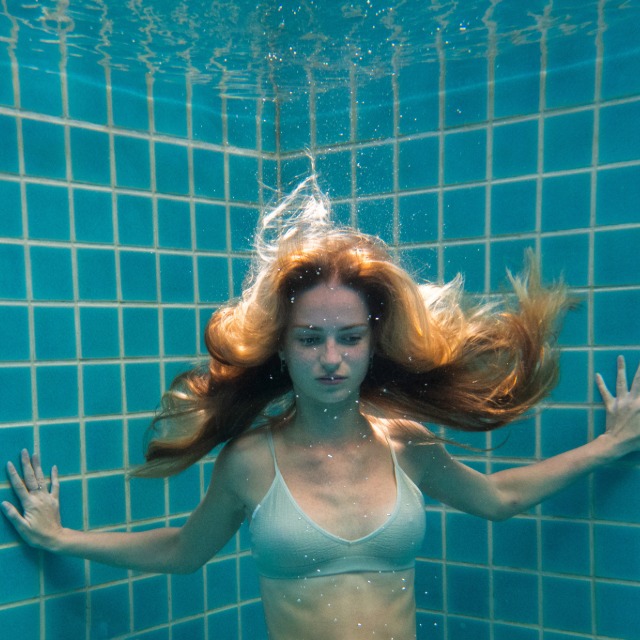
- Missing, broken, or unlocked pool gates
- Inadequate pool fencing or barriers
- Poor supervision of children
- Lack of trained lifeguards where required or expected
- Lifeguard distraction or delayed response
- Failure to enforce pool rules
- Unsafe pool covers or drains
- Poor lighting near water
- Slippery pool decks or unsafe walking surfaces
- Missing depth markers or warning signs
- Unsecured access to ponds, lakes, docks, or pools
- Defective pool equipment
- Unsafe boating, dock, or marina conditions
- Alcohol-related conduct around water
- Failure to call for emergency help quickly
The exact safety issue matters because it affects who may be responsible and what evidence needs to be preserved.

Child drowning cases require special attention. A child may not recognize water danger, may enter a pool area unnoticed, or may rely entirely on adults, staff, lifeguards, teachers, counselors, or caregivers for protection.
A child drowning or near-drowning claim may require review of:
- Who was supervising the child
- Whether a pool, gate, door, fence, or water area was secured
- Whether staff or caregivers followed safety rules
- Whether lifeguards were present, trained, and attentive
- Whether the child was counted or monitored
- Whether the setting had prior safety concerns
- Whether emergency response was delayed
- Whether the property owner or program had proper procedures
These cases should be reviewed quickly because video, staff records, sign-in sheets, incident reports, and witness memories can become difficult to obtain.
Depending on the facts, a drowning or near-drowning claim may involve:
- A homeowner, tenant, or private host
- A hotel, resort, casino, apartment complex, or condominium association
- A public pool, municipal facility, school, camp, or recreation program
- A daycare, childcare provider, teacher, counselor, or supervisor
- A lifeguard, swim instructor, coach, or aquatic staff member
- A property owner, landlord, or management company
- A pool maintenance company or equipment provider
- A boat operator, marina, dock owner, or waterfront business
- An event organizer or alcohol provider where relevant
- Insurance policies that may provide coverage
The review may include who controlled the water area, who had supervision duties, what safety procedures existed, what warnings were given, and whether the harm was preventable.
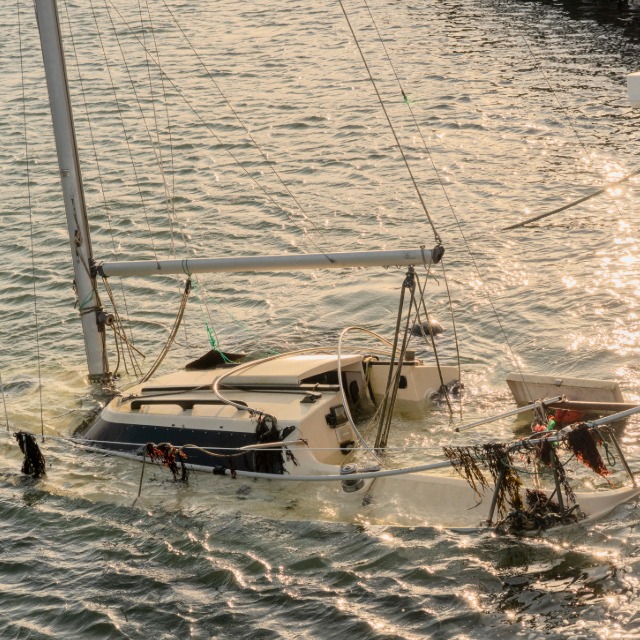
Drowning cases often depend on evidence that may be controlled by a property owner, business, school, camp, hotel, apartment complex, municipality, or insurance company.
Important evidence may include:
- Surveillance video or pool-area video
- Photos and videos of the pool, water area, gate, fence, dock, or hazard
- Incident reports and emergency response records
- 911 calls, EMS records, police reports, and lifeguard reports
- Witness names and statements
- Pool maintenance and inspection records
- Gate, fence, alarm, pool cover, or drain records
- Lifeguard staffing, training, and certification records
- Camp, school, daycare, or program attendance records
- Sign-in sheets, swim logs, head counts, or supervision records
- Weather, lighting, and water-condition records
- Medical records and injury photographs
- Communications with the property owner, facility, insurer, school, camp, or program
Early review can help identify what should be preserved before it is lost, repaired, deleted, or changed.

A near-drowning survivor may still face severe and lasting harm. The injury may involve more than the immediate rescue.
Possible consequences include:
- Brain injury from lack of oxygen
- Lung injury or respiratory complications
- Neurological damage
- Memory, speech, movement, or cognitive problems
- Seizures
- Infection or aspiration complications
- Physical disability
- Emotional trauma
- Long-term therapy or rehabilitation
- Need for future medical care
- Permanent injury or loss of independence
Medical documentation is important, especially when long-term effects become clearer after the initial emergency.
Drowning claims may involve homeowner's insurance, renter's insurance, commercial liability insurance, hotel or apartment insurance, school or camp coverage, marina or boating coverage, umbrella coverage, public-entity issues, or other policies.
Insurance companies may argue that the drowning was unavoidable, that supervision was adequate, that warnings were present, that the injured person or family was responsible, or that the property owner had no notice of the danger.
A careful legal review can help identify responsible parties, available insurance, missing evidence, and the defenses that may be raised.
Do not wait to have a drowning or near-drowning claim reviewed. In many New Jersey personal injury cases, the general filing deadline is two years from the date of injury. However, the correct deadline can depend on the facts, the injured person's age, the type of claim, and the parties involved.
If the incident involved a public pool, public beach, public school, municipal property, public park, state facility, public employee, or other public entity, special notice rules may apply. Public-entity claims may require formal notice much earlier, sometimes within 90 days of accrual.
Because evidence can disappear quickly and deadlines can be strict, early review is important.

The losses in a drowning or near-drowning claim may include:
- Emergency medical care
- Hospitalization and intensive care
- Future medical treatment
- Rehabilitation and therapy
- Brain injury or neurological care
- Mental health treatment
- Lost wages or reduced earning ability
- Pain and suffering
- Emotional distress
- Permanent injury or disability
- Loss of independence or normal daily activities
- Funeral expenses where applicable
- Wrongful death and estate-related damages where a life was lost
The value of any claim depends on the facts, evidence, injuries, insurance coverage, responsible parties, defenses, deadlines, and New Jersey law. No result can be promised.

If a drowning or near-drowning incident harmed your family, you should not have to guess whether it was preventable or whether insurance may apply.
Pinnacle Injury Law can review what happened, who controlled the water area, whether supervision or safety measures failed, what evidence should be preserved, what insurance may apply, and what deadlines may affect your claim.
Call (201) 265-4500 or request your free case review online. There is no attorney fee unless compensation is recovered for you.
Alcohol and Injury Topics
Helpful Firm Pages
No. A property owner is not automatically responsible simply because a drowning happened. The claim depends on control of the area, safety rules, barriers, supervision, warnings, maintenance, emergency response, and whether reasonable safety steps were taken.
Possibly. Private pool claims may involve missing barriers, unlocked gates, poor supervision, unsafe pool covers, slippery surfaces, alcohol-related conduct, lack of warnings, or other preventable hazards.
Possibly. These cases may involve supervision failures, lifeguard issues, unsafe access to water, missing warnings, poor maintenance, delayed emergency response, or failure to follow safety procedures.
A near-drowning claim may still be serious. Lack of oxygen can cause brain injury, lung injury, neurological damage, long-term disability, and future medical needs.
Important evidence may include photos, videos, surveillance footage, incident reports, 911 records, EMS records, police reports, lifeguard reports, witness names, maintenance records, supervision records, and medical records.
Possibly. Alcohol may raise issues involving supervision, unsafe conduct, social host liability, dram shop liability, boating safety, or foreseeability. Alcohol being present does not decide the claim by itself.
Many New Jersey personal injury and wrongful death claims have a general two-year filing deadline, but deadlines can vary. If a public entity is involved, formal notice may be required much earlier, sometimes within 90 days of accrual.
The case review is free. There is no attorney fee unless compensation is recovered for you.
Talk With a New Jersey Drowning and Near-Drowning Lawyer
If a drowning or near-drowning incident harmed your family, you should not have to guess whether it was preventable or whether insurance may apply.
Disclaimer
This page is for general information only and is not legal advice. Reading this page or contacting Pinnacle Injury Law does not create an attorney-client relationship. An attorney-client relationship is formed only if the firm agrees to represent you in writing. Every drowning, near-drowning, pool injury, premises liability, negligent supervision, boating, insurance, wrongful death, or public-entity claim depends on its own facts, available evidence, injuries, deadlines, defenses, insurance coverage, and applicable New Jersey law. No result is guaranteed.