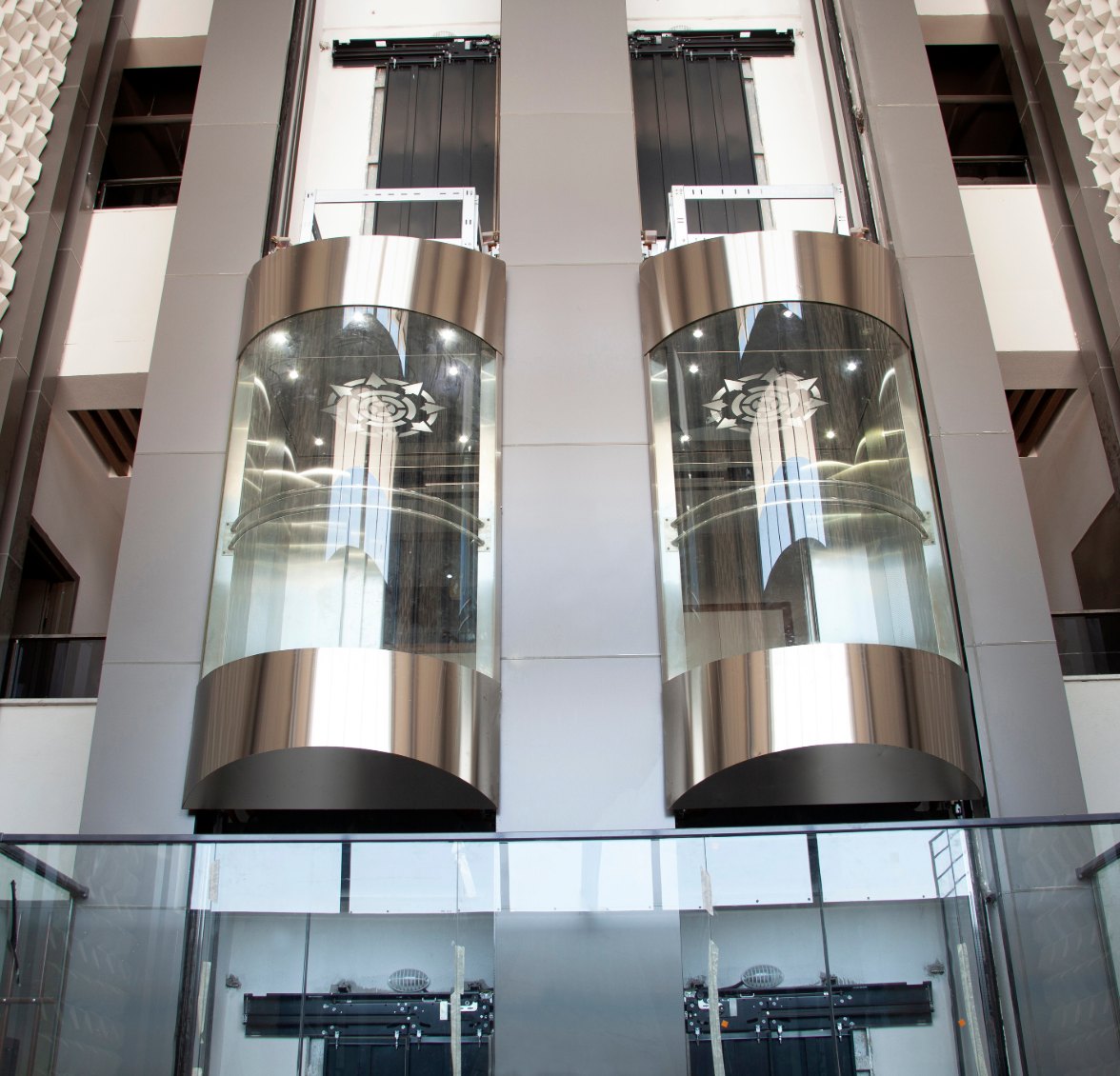
From the bustling high-rise office towers in Newark and Jersey City to the sprawling shopping malls of Paramus and the massive casino resorts in Atlantic City, elevators and escalators are an unavoidable part of daily life in New Jersey.
New Jersey Elevator and Escalator Accident Lawyers
Practice Area
We know how to pierce the layers of corporate deniability and hold negligent property owners, maintenance contractors, and manufacturers fully accountable.
- No Fee Unless We Win
- Free Case Review
- Trial-Ready Attorneys
- New Jersey Focused
From the bustling high-rise office towers in Newark and Jersey City to the sprawling shopping malls of Paramus and the massive casino resorts in Atlantic City, elevators and escalators are an unavoidable part of daily life in New Jersey. We step onto them without a second thought, placing our absolute trust in the property owners and maintenance companies responsible for keeping these powerful machines safe.
When that trust is broken due to deferred maintenance, skipped inspections, or corporate cost-cutting, the results are nothing short of horrific. An elevator plunging multiple floors, doors crushing a passenger, or an escalator suddenly reversing direction transforms a routine commute or a weekend shopping trip into a terrifying fight for survival.
Because of the sheer mechanical power involved, elevator and escalator accidents rarely result in minor scrapes. Victims frequently suffer severe crush injuries, amputations, spinal cord severances, and profound psychological trauma. At Pinnacle Injury Law, our elite premises liability attorneys possess the deep technical knowledge required to investigate complex mechanical failures. We know how to pierce the layers of corporate deniability and hold negligent property owners, maintenance contractors, and manufacturers fully accountable.
Elevators and escalators are not just standard building features; they are heavy, highly complex industrial machines operating in public spaces. As such, they are governed by an incredibly strict set of state and national regulations.
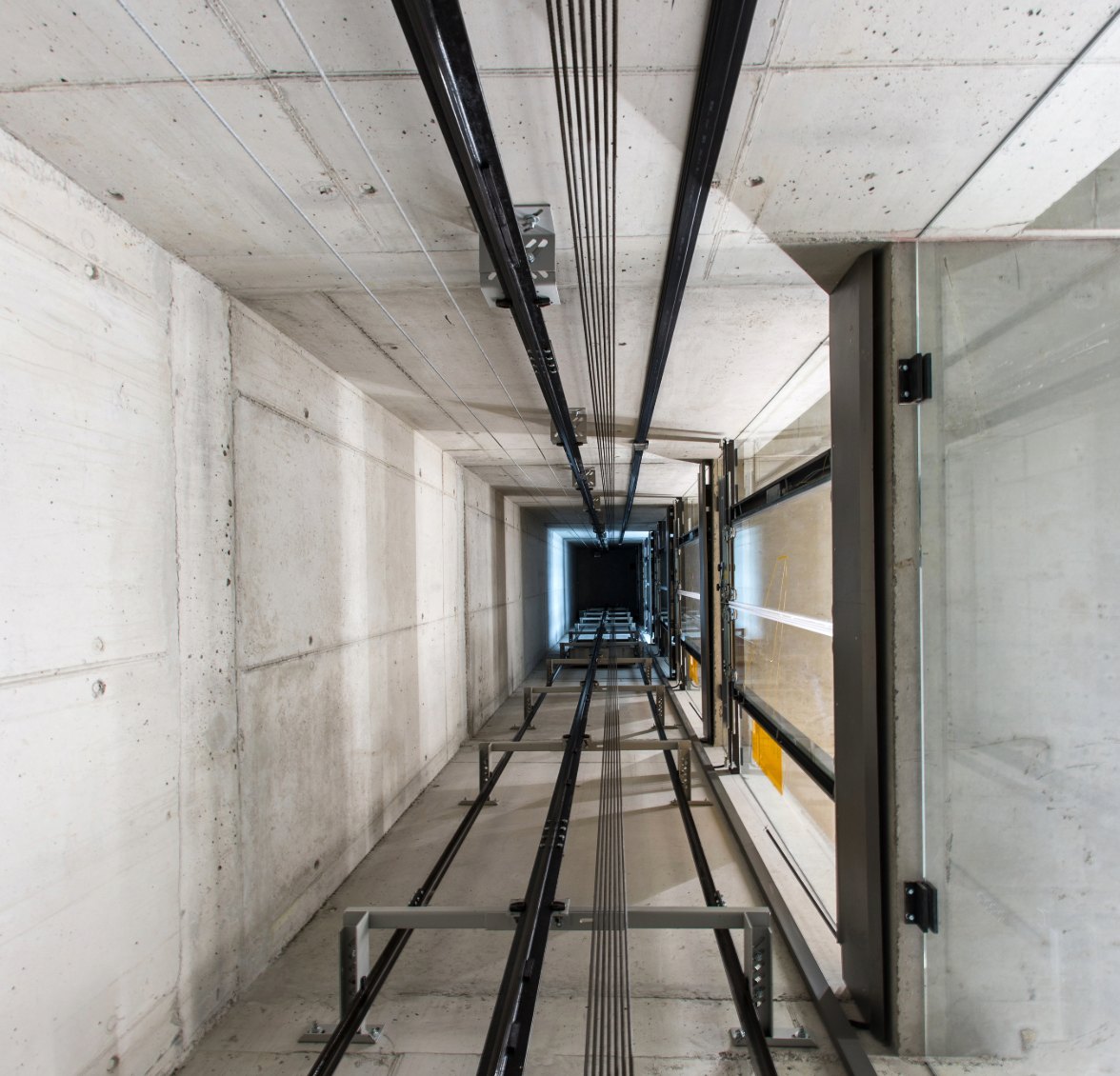
Under the New Jersey Uniform Construction Code (N.J.A.C. 5:23-12.1 - Elevator Safety Subcode), property owners are legally mandated to adhere to the rigid safety and inspection standards established by the American Society of Mechanical Engineers (ASME A17.1). These codes dictate the exact intervals for cyclical inspections, load testing, and emergency brake certifications.
When a catastrophic accident occurs, it is almost always because one of these strict codes was violated. However, identifying exactly who violated the code requires untangling a complex web of liability. Building owners rarely maintain their own elevators. They hire third-party maintenance contractors to perform routine servicing. When you hire Pinnacle Injury Law, we aggressively investigate all potential defendants, including:
The Property Owner or Landlord
They have a non-delegable duty to ensure the premises are safe. If they ignored warning signs (such as tenants complaining about a "shaky" elevator), failed to hire a reputable maintenance company, or allowed an out-of-date inspection certificate to lapse, they are strictly liable.
The Maintenance Subcontractor
Many accidents occur because the company contracted to fix the machinery cut corners, used substandard replacement parts, or "pencil-whipped" inspection logs without actually performing the required safety checks.
The Manufacturer (Product Liability)
If a specific component—such as the electronic braking system, the governor, or an escalator's comb plate—failed due to a design or manufacturing defect, we will file a strict product liability lawsuit directly against the multi-national corporation that built the machine.
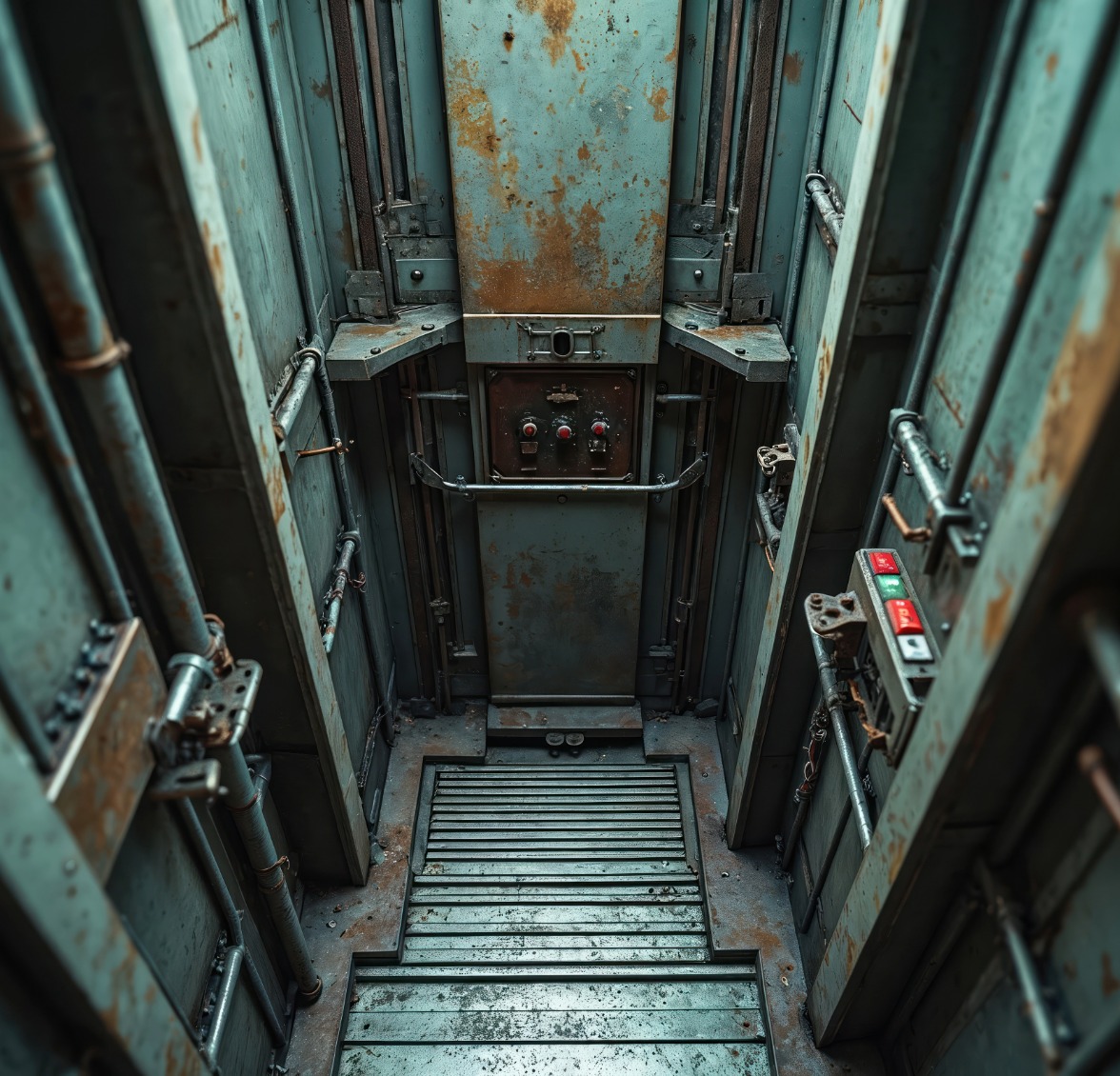
Unlike a car accident, where the mechanics are easily understood by a jury, elevator and escalator cases require translating complex engineering failures into clear, undeniable proof of negligence. Our firm regularly litigates severe injuries caused by:
Mis-leveling (Trip and Falls)
The most common elevator accident. If the elevator car fails to stop perfectly flush with the building floor, it creates a dangerous, unexpected tripping hazard, resulting in shattered hips, wrists, and facial fractures as passengers fall heavily onto marble or concrete floors.
Sudden Drops and Over-Speeding
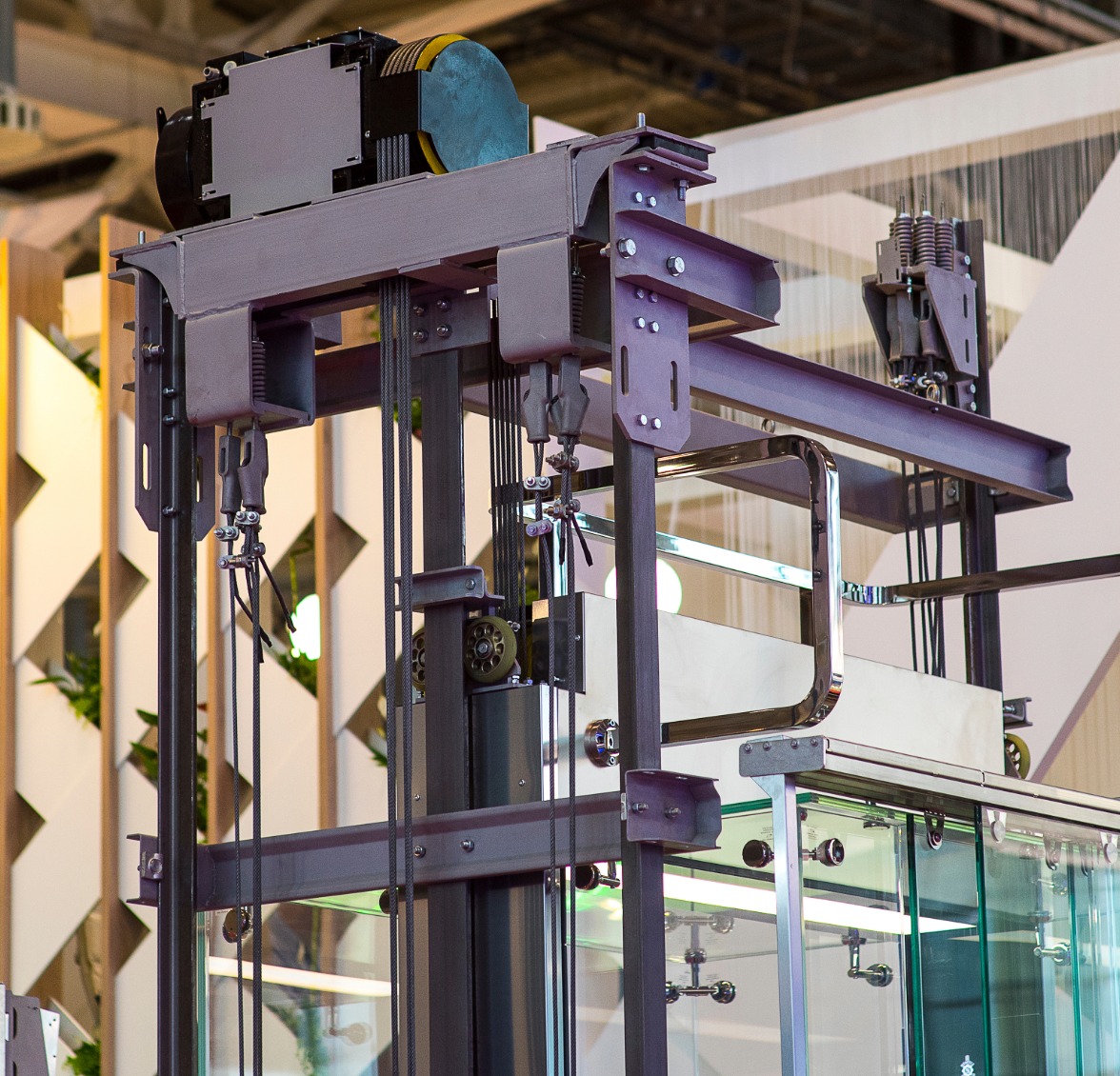
When governor cables snap or computerized braking systems fail, an elevator can plunge violently. The sudden impact at the bottom of the shaft causes devastating compressive spinal fractures and shattered leg bones.
Door Sensor Failures
If the electronic "electric eye" sensors fail, the heavy metal doors can slam shut with bone-crushing force, trapping and crushing passengers' limbs.
Escalator Entrapment and Comb Plate Failures
Escalator steps are pulled by massive, high-torque motors. If the comb plate at the top or bottom is missing teeth, or if the side skirts lack proper brushes, clothing, shoelaces, or even a child's foot can be pulled directly into the internal gears, causing horrifying crush injuries and amputations.
Sudden Escalator Reversals or Stops
A mechanical failure can cause a fully loaded, upward-moving escalator to suddenly snap into reverse or come to a violent halt, sending dozens of passengers tumbling backward in a deadly human pileup.
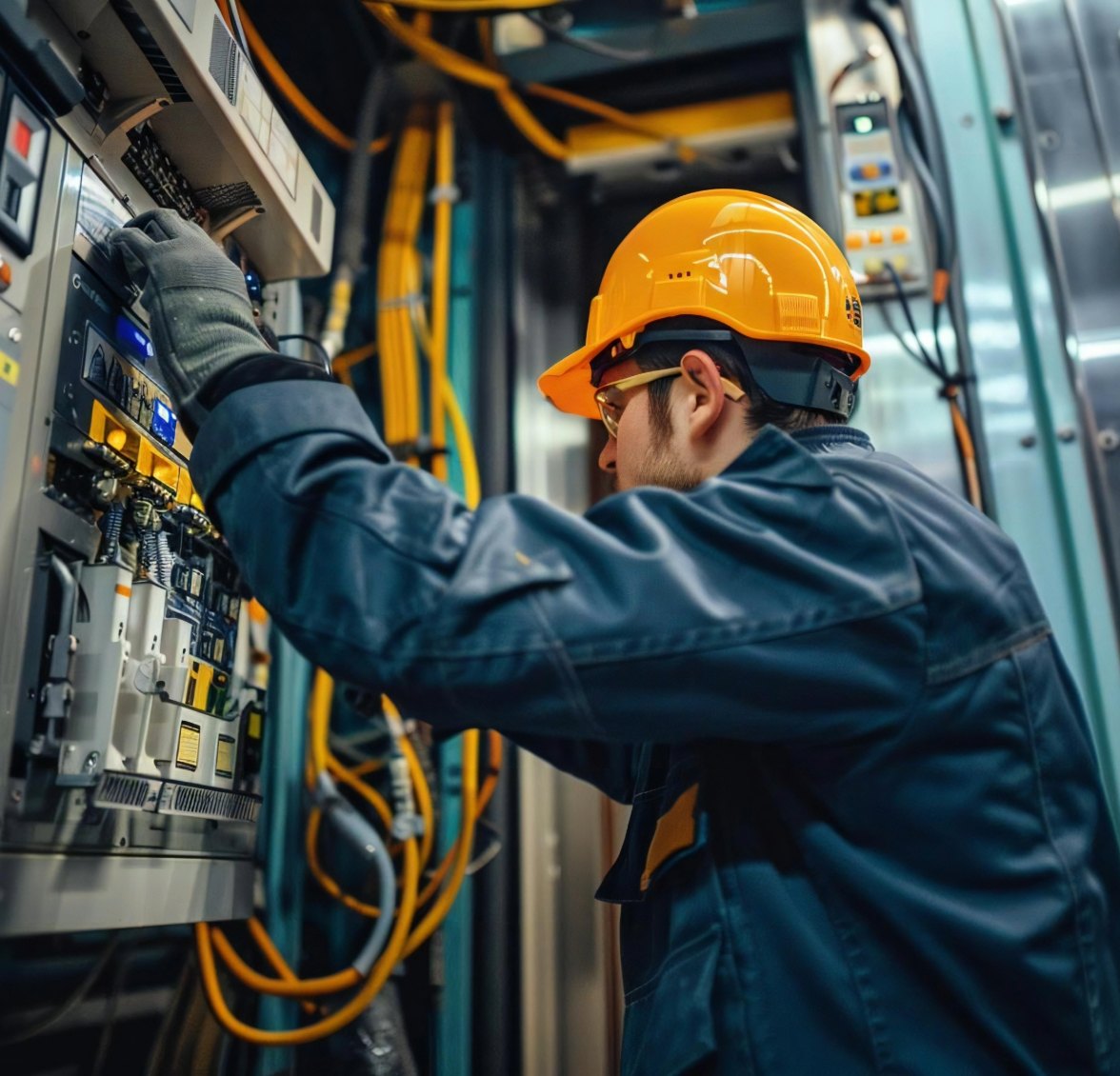
The moment an elevator or escalator accident is reported, the building management's risk control team will immediately lock down the machine. They will bring in their own maintenance crews, ostensibly to "fix" the problem. In reality, this frequently results in the destruction or alteration of the exact mechanical evidence needed to prove your case.
You cannot wait to secure representation. The moment you retain Pinnacle Injury Law, we issue legally binding Anti-Spoliation Letters and seek emergency court orders to quarantine the machine. We prevent anyone from touching the elevator or escalator until our own independent forensic engineers and elevator safety experts have fully inspected the cables, the computerized logs, and the braking systems. We secure the building's surveillance footage, maintenance logs, and state inspection records to definitively prove that the hazard was known, or should have been known, long before you stepped onto the machine.
The physical and emotional toll of an elevator or escalator accident is staggering. In addition to severe physical injuries, victims frequently suffer from severe claustrophobia, PTSD, and crippling anxiety that alters their ability to function in modern buildings.
Pinnacle Injury Law partners with elite medical specialists, psychologists, and forensic economists to build a comprehensive damage model. We aggressively demand maximum compensation for your emergency surgeries, lifelong physical therapy, psychiatric care, lost earning capacity, and the profound destruction of your quality of life.

When We Trust the Machinery, Failure is Catastrophic.
If you are dealing with the aftermath described on this page, Pinnacle Injury Law can review what happened, what evidence may matter, and what next steps may be available.